

Packaging plays an important role in protecting products during storage, shipping, and handling. Fragile items, such as glass bottles, cosmetic containers, decorative products, and delicate accessories, require special care because they can crack, break, or become damaged when exposed to pressure or sudden impacts. Choosing the right packaging helps businesses reduce product losses, improve customer satisfaction, and maintain a professional brand image. 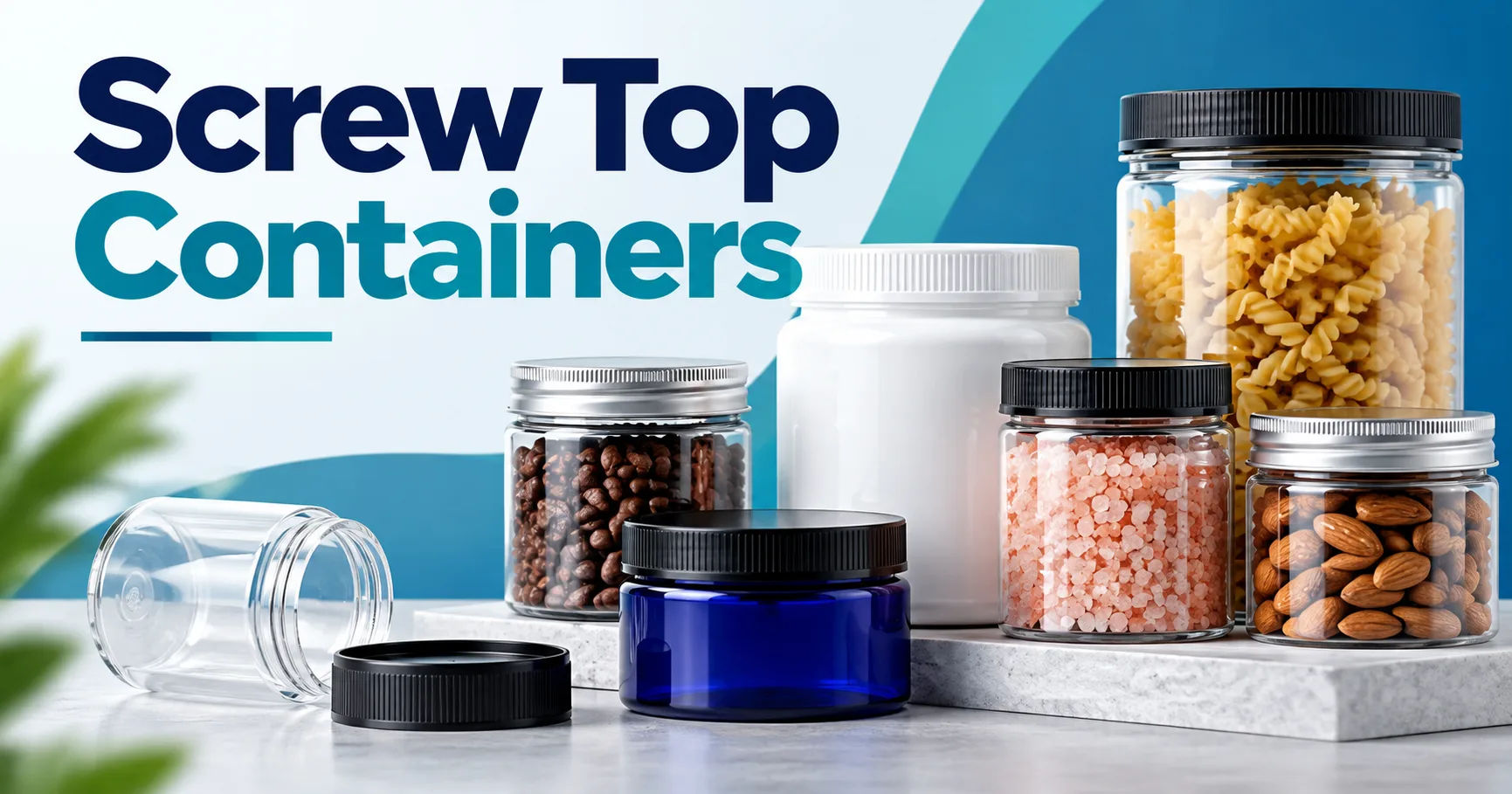 For companies looking for attractive and functional packaging, the Unicorn Bottle concept can be worth considering, depending on the product's shape, material, and intended use. However, attractive packaging alone does not guarantee that fragile items will remain safe during transportation. The packaging must also provide sufficient cushioning, prevent unwanted movement, and withstand the conditions products may experience during delivery.
Understanding how unicorn-style packaging works, what materials offer the best protection, and which additional features may be necessary can help businesses make informed decisions. Whether you sell cosmetics, specialty liquids, collectibles, or other delicate products, selecting suitable packaging can make a significant difference in product safety and presentation.
Unicorn Packaging and Its Purpose
Unicorn packaging generally refers to packaging inspired by unicorn themes, distinctive shapes, colorful designs, or premium visual presentation. Depending on the manufacturer, it may involve specially shaped containers, decorative bottles, printed boxes, or customized packaging solutions.
The exact construction varies between suppliers. Some designs focus primarily on appearance, while others can incorporate protective features intended for practical use.
When fragile products are involved, businesses should evaluate the packaging based on its physical construction rather than its decorative appearance alone.
What Makes Unicorn Packaging Different?
Unicorn-themed packaging often stands out because of its distinctive design. It may feature unusual silhouettes, colorful finishes, creative labels, or decorative elements that make products more noticeable on retail shelves.
For example, a cosmetic brand might use a uniquely shaped bottle to create a memorable appearance. A gift company could choose decorative packaging to make a product feel more special.
These design choices can improve presentation, but they also introduce practical considerations. Unusual shapes may require custom inserts, additional space, or specialized outer boxes to prevent damage.
Why Fragile Items Need Special Packaging
Fragile products are vulnerable to several types of damage. Glass containers can break when dropped, ceramic objects can crack under pressure, and delicate decorative pieces may become scratched during transportation.
Even products that appear sturdy can be damaged when they move repeatedly inside a shipping box.
Effective packaging addresses these risks by combining a suitable container, protective cushioning, and a strong outer package. The goal is to keep the product stable and reduce the force transferred to it during handling.
Can Unicorn Packaging Protect Fragile Items?
Yes, unicorn-style packaging can be suitable for fragile items when its materials, structure, and protective components are selected appropriately. However, not every design provides the same level of protection.
A decorative bottle with thin walls and no protective insert may be unsuitable for shipping on its own. A similar bottle placed inside a fitted protective insert and a strong shipping carton may be much safer.
The most important factor is whether the complete packaging system can protect the product under realistic handling conditions.
Protection Depends on the Packaging Material
Materials influence how well packaging resists pressure, impacts, moisture, and repeated handling.
Glass may provide an attractive, premium appearance, but it can break if dropped or struck. Plastic containers may offer greater resistance to shattering, although their durability depends on the type of plastic and the container's thickness.
Cardboard and corrugated cartons can provide structural protection when appropriately designed. Foam, molded pulp, and other cushioning materials can help absorb impacts and limit movement.
Businesses should select materials according to the product's weight, fragility, dimensions, and shipping requirements.
Design and Structure Matter Equally
A visually appealing package can still fail if its structure is poorly designed. Thin walls, narrow necks, unstable bases, and protruding decorative features may create vulnerable points.
A well-designed package distributes pressure more effectively and supports the product where it needs protection.
For example, a glass bottle with a narrow neck may need additional support around that area. A container with an irregular shape may require a custom insert to prevent it from shifting inside its box.
These details are particularly important when products travel through multiple warehouses and delivery vehicles before reaching customers.
Essential Features for Protecting Fragile Products
Several packaging features can improve the safety of delicate products. Businesses should evaluate these features before choosing a final design.
1. Shock-Absorbing Cushioning
Cushioning reduces the force transferred to a product when its package experiences an impact. Common options include foam inserts, bubble wrap, corrugated dividers, and molded pulp supports.
The best choice depends on the product's shape, weight, and sensitivity.
A lightweight decorative bottle may need a different cushioning solution from a heavy glass container. The protective material should absorb impacts without placing excessive pressure on vulnerable areas.
Cushioning should also remain in position throughout transportation. Loose material that shifts away from the product may provide limited protection.
2. Custom-Fitted Inserts
Custom inserts are especially useful when packaging products with unusual shapes.
They hold the product in a specific position and help prevent it from moving inside the box. This can reduce the likelihood of collisions between multiple items or between a product and the packaging walls.
For a Unicorn Bottle, a fitted insert may support the base, stabilize the body, and protect any delicate decorative features.
Inserts can be made from foam, molded pulp, cardboard, or other suitable materials. Businesses should choose an option that balances protection, cost, appearance, and environmental considerations.
3. Strong Outer Boxes
The container holding a fragile item is only one part of the complete packaging system. A sturdy outer box provides another layer of protection.
Corrugated cardboard is commonly used because it offers structural strength while remaining relatively lightweight. The appropriate board grade depends on the package's weight, stacking requirements, and transportation conditions.
The outer box should have enough space for protective cushioning without leaving excessive room for movement.
A carton that is too small may place pressure on the product. One that is too large may allow the contents to shift unless suitable inserts fill the space.
4. Secure Closures
Closures help keep products contained and prevent accidental opening.
Depending on the product, suitable options may include threaded caps, locking mechanisms, snap-fit lids, or secure adhesive closures for outer packaging.
For liquid products, the closure must also help prevent leakage. A bottle that remains unbroken but leaks during transit can still result in a damaged shipment.
Businesses should test closures for compatibility with the contents and verify that the packaging remains secure during handling.
5. Protection Against Scratches and Surface Damage
Some fragile products are vulnerable to cosmetic damage even when they do not break.
Glossy containers, printed surfaces, metallic finishes, and decorative details may become scratched when they rub against other objects.
Soft sleeves, protective films, dividers, or nonabrasive inserts can help reduce this risk.
These protective components are useful when product appearance is an important part of the customer experience.
Which Fragile Items Can Use Unicorn Packaging?
The suitability of unicorn packaging depends on the product being packaged. Different materials and product categories have different protection requirements.
Glass Bottles and Cosmetic Containers
Glass bottles are among the products that require careful packaging. They may contain perfumes, skincare products, oils, or specialty liquids.
A decorative bottle can work well for these products if the design accounts for glass thickness, closure security, and transportation risks.
Protective inserts can stabilize the bottle, while an outer carton helps reduce exposure to impacts. If the container holds liquid, businesses should also consider leakage prevention and compatibility between the liquid and the bottle materials.
For products shipped individually, drop testing can help determine whether the complete package provides sufficient protection.
Ceramic and Decorative Items
Ceramic ornaments, collectible figures, and decorative accessories may have uneven shapes and delicate protrusions.
These products often benefit from individually molded inserts that support their strongest structural areas without pressing against fragile details.
A decorative package can enhance their presentation, but the protective interior should be designed around the item's actual shape.
For particularly delicate products, separate wrapping and multiple layers of cushioning may be necessary.
Small Electronics and Accessories
Some small electronic products contain fragile components or sensitive surfaces. Examples include miniature devices, accessories, and certain display items.
Packaging must prevent excessive movement and help protect the product from impacts. Depending on the item, antistatic materials or moisture barriers may also be required.
Decorative packaging can be used as the product's presentation box, but it may need an additional shipping carton for protection.
The necessary features depend on the device's components and the manufacturer's handling requirements.
Gifts and Premium Products
Gift sets frequently combine several items, such as bottles, accessories, small containers, and decorative objects.
Each item should have its own designated position to prevent collisions during movement.
A custom insert can organize the contents and make the package easier to unpack. This also improves the presentation when the recipient opens the box.
For premium gifts, businesses should balance the visual design with practical protection so that the product arrives in the same condition in which it was packed.
How to Choose the Right Packaging for Fragile Items
Selecting packaging requires more than comparing colors, shapes, and prices. Businesses should evaluate the product and its distribution process before approving a design.
Assess the Product's Fragility
Start by identifying the product's most vulnerable areas.
Glass containers may be at risk around their necks, bases, and closures. Ceramic products may have delicate handles or protruding decorations. Electronic items may require protection from both physical impacts and electrostatic discharge.
Understanding these risks helps determine where cushioning and structural support are most necessary.
Consider Product Weight and Dimensions
A heavy product creates different packaging demands from a lightweight one.
Heavier items can generate greater forces during drops and sudden stops. They may require stronger outer cartons and denser protective materials.
Dimensions also matter. A package must hold the product securely without creating pressure points or leaving excessive empty space.
Measurements should include the product's widest areas, height, protrusions, and any accessories packed alongside it.
Evaluate Shipping Conditions
Products delivered locally may experience different handling conditions from those shipped internationally.
Long-distance shipments can pass through sorting facilities, warehouses, trucks, and aircraft. Packages may be stacked, turned, or exposed to temperature and humidity changes.
Businesses should consider these conditions when choosing materials and determining how much protection is necessary.
For high-risk shipments, a presentation box alone may not provide sufficient protection. A separate shipping carton and suitable cushioning can provide additional safeguards.
Balance Protection and Cost
Packaging costs include materials, manufacturing, assembly time, storage, and transportation.
A custom insert may cost more initially than a standard solution, but it can reduce breakage and replacement expenses if it performs effectively.
Businesses should compare the total cost of packaging with the potential cost of damaged goods, refunds, returns, and customer complaints.
The goal is not necessarily to use the most expensive packaging. It is to select a solution that provides reliable protection at a reasonable overall cost.
Testing Unicorn Packaging Before Shipping
Testing is an important step when determining whether a package is suitable for fragile items.
A design that looks strong may perform poorly under actual shipping conditions. Testing helps reveal weaknesses before a business sends large quantities of products to customers.
Conduct Drop Tests
Drop testing evaluates how packaging performs when it falls from specified heights and onto different surfaces.
The package should be tested in orientations that represent realistic handling risks, including impacts on its base, sides, edges, and corners.
After testing, inspect the product for cracks, scratches, leakage, and other damage. Also examine the insert and outer carton to see whether they absorbed the impact effectively.
For commercial shipments, businesses should use a suitable testing procedure based on their product and distribution requirements.
Test Compression Resistance
Packages may be stacked during storage and transportation. Compression testing helps determine whether an outer carton can withstand pressure without collapsing.
This is especially important for fragile products because a crushed carton may transfer pressure directly to the item inside.
The package should be designed for the expected stacking loads and storage conditions.
Check Moisture and Temperature Resistance
Humidity can weaken certain paper-based materials, while temperature changes can affect adhesives, seals, and some plastics.
Products containing liquids may also require additional attention to prevent leakage or changes in the container's performance.
Testing should reflect the environments the package is likely to encounter. Specialized products may need additional tests depending on their contents and storage requirements.
Review Results and Improve the Design
Testing should lead to practical improvements.
If a bottle breaks near its base, the insert may need better support in that area. If a product shifts inside the carton, the interior dimensions may need adjustment. If the outer box collapses, a stronger board grade or improved structure may be necessary.
Repeated testing allows businesses to improve the package until it meets their performance requirements.
Common Packaging Mistakes to Avoid
Even attractive packaging can fail when important design considerations are overlooked.
Relying on Appearance Alone
A colorful design does not necessarily indicate strength. Businesses should examine the material, construction, closures, and protective components before approving a package.
The appearance of the package should complement its protective function rather than replace it.
Using Too Little Cushioning
Insufficient cushioning allows fragile items to move and increases the risk of impact damage.
However, excessive cushioning can also create problems if it compresses the product or places pressure on delicate features.
The amount and type of cushioning should be determined through product measurements and testing.
Ignoring the Outer Shipping Package
A decorative product box may be suitable for retail display but not for direct shipment.
Businesses should determine whether the presentation box can withstand transportation or whether an additional carton is necessary.
This distinction is particularly important for products made from glass, ceramics, or other breakable materials.
Skipping Quality Checks
Changes in suppliers, materials, dimensions, or manufacturing methods can affect packaging performance.
Regular inspections help identify defects before products reach customers. Quality checks should include container integrity, insert fit, closure security, and carton condition.
Can Unicorn Packaging Be Environmentally Responsible?
Businesses can consider sustainability while maintaining adequate protection for fragile products.
Paper-based inserts, recyclable corrugated cartons, and appropriately selected molded-pulp components may reduce reliance on certain plastic packaging materials.
However, environmental benefits depend on the materials used, local recycling facilities, product contamination, and the overall packaging design.
A package that uses less material but allows products to break frequently may create more waste than a slightly more protective design.
The best approach is to reduce unnecessary packaging while maintaining reliable performance.
Businesses can also evaluate whether inserts are reusable, whether packaging components can be separated for recycling, and whether the design uses materials efficiently.
For premium products, a durable presentation box may even be reused by customers, extending its useful life.
Benefits of Suitable Packaging for Businesses
Choosing the right protective packaging can support several business objectives.
First, it helps reduce product damage during handling and delivery. Fewer damaged shipments can mean fewer returns, replacements, and customer complaints.
Second, suitable packaging helps preserve product quality and appearance. This is particularly important for products whose value depends partly on presentation.
Third, a well-designed package can improve the customer experience. Products that arrive intact and are easy to unpack create a more positive impression.
Finally, packaging that balances protection, appearance, and material efficiency can support a consistent brand identity.
These benefits depend on actual packaging performance. Businesses should measure damage rates, customer feedback, packaging costs, and testing results rather than assuming that a visually attractive design will automatically deliver better outcomes.
Conclusion
Unicorn packaging can be suitable for fragile items, provided the design offers sufficient structural strength, cushioning, and stability. Its effectiveness depends on the product's material, shape, weight, and transportation requirements rather than its appearance alone.
A decorative bottle or specialty container may work well for retail presentation, but fragile products often need additional protection before they are shipped. Custom-fitted inserts, shock-absorbing materials, strong outer cartons, and secure closures can help reduce the risk of breakage, leakage, and surface damage.
Businesses should also consider the specific needs of their products. Glass containers, ceramic ornaments, electronics, and gift sets each require different protective features. Evaluating these differences makes it easier to select appropriate materials and avoid unnecessary packaging expenses.
Testing is equally important. Drop tests, compression tests, and inspections under realistic conditions help identify weaknesses before products reach customers. Businesses can then adjust the design, improve cushioning, or strengthen the outer packaging as needed.
The Unicorn Bottle concept can combine distinctive presentation with practical product protection when the packaging is carefully engineered. Nevertheless, businesses should verify the specifications of the particular bottle or packaging design they intend to use instead of assuming that every version offers the same level of durability.
Ultimately, the most effective packaging solution is one that protects the product throughout its journey, supports the brand's presentation goals, and keeps overall costs manageable. By prioritizing material quality, suitable cushioning, thoughtful design, and consistent testing, businesses can make better packaging decisions and deliver fragile items to customers in excellent condition.