

Choosing the right beauty training programme is an important step for anyone who wants to build a career in the nail industry. Many beginners are interested in learning professional nail techniques, but they also want to know whether their training will provide an official certificate. Before enrolling, it is important to understand what the course includes, what qualifications students receive, and how those qualifications can support their careers. A nail course in Karachi can be a valuable opportunity for individuals who want to learn nail care, manicure techniques, nail extensions, nail art, and other professional beauty services. However, whether students receive a certificate depends on the training institute, course structure, and certification policy. Some academies provide certificates after successful completion, wh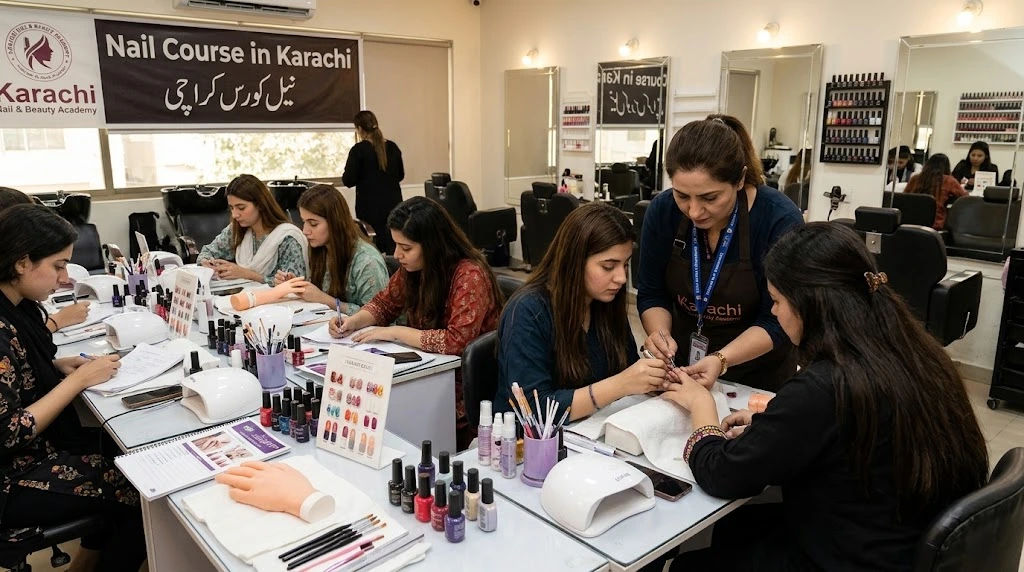 ile others may offer different types of training recognition.
A certificate can make a difference when applying for salon positions, starting a personal nail business, or building trust with clients. It provides evidence that a student has completed a particular training programme. Nevertheless, students should understand that not all certificates have the same recognition or value in the beauty industry.
This comprehensive guide explains whether nail training programmes in Karachi provide certificates, what those certificates mean, how students can obtain them, and what to consider before selecting an academy.
Do Nail Courses in Karachi Provide Certificates?
Yes, many professional nail training institutes in Karachi provide certificates after students successfully complete their programmes. However, certification is not automatically included in every course. Each academy has its own rules regarding attendance, practical assessments, course completion, and certificate distribution.
Some institutes provide certificates for basic nail care training, while others offer separate certificates for advanced techniques such as acrylic extensions, gel applications, and professional nail art.
Before joining any academy, students should confirm whether certification is included in the course fee or requires an additional payment.
What Does a Nail Course Certificate Mean?
A nail course certificate is a document that confirms a student has completed specific training in nail care or nail enhancement techniques.
It usually includes information such as:
-
Student's full name.
-
Name of the training institute.
-
Course title.
-
Course completion date.
-
Certificate identification or registration number, if applicable.
-
Authorized signature.
-
Institute stamp or official details.
The certificate serves as evidence of training. It can help students demonstrate their learning when approaching beauty salons, potential clients, or employers.
However, students should remember that an academy-issued certificate is not necessarily the same as a government-recognized qualification. They should verify the institute's accreditation claims independently.
Are Certificates Given to Beginners?
Yes, beginners can also receive certificates if they complete the required training programme.
Most introductory courses are designed for individuals who have little or no previous experience. Students learn basic nail care, hygiene, manicure procedures, and simple nail designs before moving towards more advanced techniques.
A beginner does not necessarily need professional experience to qualify for a training certificate. What matters is completing the course requirements and meeting the academy's assessment standards.
Types of Certificates Available in Nail Training
Different academies may offer different certificates depending on their teaching standards and course specialisation.
Understanding these options can help students choose a programme that supports their professional goals.
Basic Nail Care Certificate
A basic nail care certificate is generally awarded after completing introductory nail training.
The programme may cover:
-
Basic nail anatomy.
-
Nail cleaning and shaping.
-
Cuticle care.
-
Hand and nail hygiene.
-
Basic manicure procedures.
-
Nail filing techniques.
-
Application of regular nail polish.
This qualification is suitable for beginners who want to understand the fundamentals before moving towards professional nail services.
Professional Nail Technician Certificate
A professional nail technician certificate usually covers a wider range of practical skills.
Students may learn how to prepare natural nails, apply different nail products, perform professional manicures, and maintain nail enhancements.
The course may also introduce students to client consultations, workplace hygiene, product selection, and salon procedures.
This type of qualification can be useful for individuals interested in working in beauty salons or offering independent nail services.
Nail Art Certificate
Nail art training focuses on creativity and decorative techniques.
Students learn how to create attractive designs using different colours, tools, and materials.
Common topics include:
-
French nail designs.
-
Glitter applications.
-
Floral patterns.
-
Geometric designs.
-
Colour combinations.
-
Simple hand-painted artwork.
-
Decorative nail accessories.
A specialised certificate can demonstrate that a student has completed training in decorative nail techniques.
Acrylic and Gel Nail Extension Certificates
Some academies offer advanced training in acrylic and gel nail extensions.
These programmes teach students how to create artificial nail enhancements using specialised products and application methods.
Students may learn nail preparation, product application, shaping, curing where required, maintenance, and safe removal.
These skills are particularly useful for individuals who want to provide specialised nail services.
What Skills Do Students Learn Before Receiving a Certificate?
Certification usually depends on completing the training successfully. Students are expected to understand the lessons and demonstrate their practical abilities.
A good training programme combines theoretical knowledge with hands-on experience.
Nail Preparation and Hygiene
Proper preparation is one of the most important parts of professional nail services.
Students learn how to inspect natural nails, clean the working area, prepare tools, and maintain suitable hygiene standards.
They also learn why cleaning and disinfecting reusable equipment is essential.
Understanding hygiene helps prevent infections and protects both clients and technicians.
Manicure and Pedicure Techniques
Students generally receive practical training in manicure and pedicure procedures.
They learn how to clean, shape, and care for fingernails and toenails.
Training may include hand and foot preparation, nail filing, cuticle care, and polish application.
These foundational skills help students develop confidence before attempting advanced services.
Nail Extensions and Enhancements
Advanced programmes may introduce acrylic, gel, and other nail enhancement techniques.
Students learn how to prepare the natural nail, apply products correctly, create suitable shapes, and maintain the finished appearance.
They also understand the importance of avoiding damage to natural nails.
Creative Nail Art
Creativity is an important part of the nail industry.
Students practise different designs and learn how to combine colours, patterns, and decorative materials.
Regular practice helps them improve their precision and develop a personal artistic style.
How Can Students Obtain a Nail Course Certificate in Karachi?
Getting a certificate generally involves following the institute's training and assessment requirements.
Although the process varies between academies, most professional programmes follow similar steps.
Step 1: Select a Suitable Training Institute
The first step is finding an academy that provides structured nail training.
Students should compare different institutes based on their course content, instructors, practical facilities, and certification policies.
It is important to choose an academy that clearly explains its training standards.
Step 2: Complete the Registration Process
After selecting an institute, students usually need to complete an admission form.
The academy may request basic personal information and educational details.
Some programmes accept beginners, while advanced courses may require previous nail training.
Step 3: Attend Regular Training Sessions
Students must attend their scheduled classes and participate in practical activities.
Regular attendance helps them understand each technique and receive guidance from instructors.
Missing too many classes may affect course completion or eligibility for certification.
Step 4: Complete Practical Assignments
Most professional nail programmes include practical exercises.
Students may be asked to perform manicures, apply nail polish, create designs, or demonstrate extension techniques.
These activities allow instructors to evaluate their abilities.
Step 5: Pass the Final Assessment
Some academies conduct a final practical or theoretical assessment before issuing certificates.
Students may need to demonstrate their understanding of nail preparation, product application, hygiene, and professional procedures.
Once the requirements are fulfilled, the institute may issue the certificate.
Is a Nail Course Certificate Important for Getting a Job?
A certificate can be helpful when applying for employment in the beauty industry. It shows that an individual has completed a training programme and developed certain professional skills.
However, employers may also consider practical experience, communication skills, creativity, and the quality of previous work.
Applying for Salon Jobs
Beauty salons often look for technicians who understand professional nail services.
A certificate can support an application by showing that the candidate has received structured training.
It may help beginners demonstrate their commitment to learning and professional development.
Nevertheless, some employers may conduct practical tests before hiring a technician.
Building Client Confidence
Clients usually want their nail treatments to be performed by someone who understands proper techniques and hygiene.
Displaying a genuine training certificate can help establish confidence.
However, certificates should be supported by good service quality, professional behaviour, and safe working practices.
Starting an Independent Nail Business
A certificate can also support individuals who want to work independently.
After gaining sufficient experience, a trained technician may offer services from a suitable studio or establish a small nail business.
A professional portfolio, customer reviews, and consistent results can help attract clients.
Students should also check local business and regulatory requirements before opening a commercial establishment.
What Should You Check Before Enrolling in a Nail Course?
Not every training programme offers the same learning experience. Some focus mainly on basic nail care, while others provide more detailed professional training.
Before paying admission fees, students should investigate several important factors.
Verify the Certificate's Recognition
This is one of the most important considerations.
Ask the institute whether the certificate is internally issued or awarded through an affiliated or recognised certification body.
If an academy claims government recognition or accreditation, request the name of the relevant authority and verify the claim directly.
Do not assume that a professional-looking certificate is automatically an officially recognised qualification.
Check the Course Curriculum
A good training programme should provide clear information about the topics covered.
Look for courses that include both theoretical lessons and practical activities.
Students interested in professional careers should consider programmes that cover nail preparation, manicure procedures, extensions, nail art, hygiene, and client care.
Ask About Practical Training
Practical experience is essential in nail education.
Students should have opportunities to practise different techniques under the supervision of an instructor.
Ask whether the academy provides training equipment, nail products, practice materials, and opportunities to work on practice models.
The Course Duration
Course duration varies depending on the programme's level and teaching schedule.
A basic course may be shorter, while advanced professional training may require additional weeks or months.
Students should choose a programme that provides sufficient time to practise and understand the techniques.
Confirm the Complete Fee Structure
Before registration, ask for a breakdown of the total cost.
Some academies include training materials and certificates in their fees, while others charge separately.
Find out whether there are additional costs for examination, registration, products, or certificate issuance.
Clear information can help students avoid unexpected expenses.
How Much Does a Nail Course in Karachi Cost?
The fee for nail course in Karachi training varies between institutes.
There is no single fixed price because academies offer different course levels, training durations, and facilities.
A basic programme may cost less than an advanced course that includes acrylic extensions, gel applications, and detailed nail art training.
Factors That Affect Course Fees
Several factors can influence the overall cost.
Course duration: Longer programmes may have higher fees because they include more training sessions.
Training level: Advanced courses generally cover more specialised techniques than introductory programmes.
Instructor experience: Institutes with experienced professional trainers may charge different rates.
Practical materials: Courses that provide products, tools, and equipment may have higher overall costs.
Certificate charges: Some academies include certification in their fees, while others charge separately.
Students should compare the complete learning experience instead of choosing an institute based only on the lowest price.
Can Students Start Working Immediately After Receiving a Certificate?
Receiving a certificate is an important achievement, but it does not automatically make someone an experienced nail technician.
Professional ability develops through regular practice and working with different clients.
A newly trained student should begin by improving basic techniques and developing confidence.
Build a Professional Portfolio
A portfolio is a collection of photographs showing completed nail designs and services.
Students can photograph their practice work to demonstrate their progress.
A good portfolio should include different designs, nail shapes, polish applications, and extension techniques.
It can be useful when applying for salon positions or promoting independent services.
Gain Practical Experience
New technicians should continue practising after completing their course.
They can improve their skills by working under supervision, participating in additional workshops, or practising on suitable models with proper hygiene precautions.
Experience helps students understand different nail conditions, customer expectations, and service requirements.
Improve Customer Service Skills
Technical ability is only one part of professional nail services.
Technicians also need to communicate clearly, understand client preferences, and explain available treatments.
Being polite, punctual, and attentive can help build long-term customer relationships.
Is Online Nail Training Enough to Receive a Certificate?
Some training providers offer online nail education, while others provide classroom-based programmes.
Online learning can be useful for understanding basic concepts, product information, nail anatomy, and design techniques.
However, nail services require practical ability.
Watching instructional videos cannot fully replace supervised practice.
Benefits of Online Training
Online courses may offer flexible schedules and convenient access to learning materials.
Students can review recorded lessons and study theoretical topics at their own pace.
Some programmes also provide certificates after completing their online assessments.
However, students should confirm whether the certificate has any professional recognition.
Why Practical Training Matters
Professional nail techniques require control, accuracy, and experience.
Students must learn how to handle tools, prepare nails, apply products, and maintain hygiene.
Practical classroom training allows instructors to identify mistakes and provide immediate feedback.
For beginners, a programme that combines theory with hands-on training is generally a stronger learning option.
What Is the Difference Between an Academy Certificate and an Accredited Qualification?
Understanding this difference is essential before selecting a training programme.
An academy certificate confirms that a student has completed a course offered by that particular institute.
An accredited qualification, on the other hand, is issued or recognised under the standards of an authorised educational or vocational body.
The exact recognition depends on the relevant awarding organisation and its approval arrangements.
Academy-Issued Certificates
These certificates are provided directly by the training institute.
They can demonstrate course completion and may be useful when approaching salons or private clients.
Their professional value depends partly on the academy's reputation, teaching quality, and employer acceptance.
Accredited Certificates
An accredited qualification may offer broader recognition when issued through a legitimate awarding body.
However, students should verify the awarding organisation, qualification level, and scope of recognition.
They should also check whether the qualification is accepted for their intended employment or further education.
Never rely only on advertisements claiming that a course is internationally recognised.
Career Opportunities After Completing Nail Training
The nail industry offers several opportunities for individuals who develop strong technical and creative skills.
A certificate can be a useful starting point, but career growth also depends on practical experience and service quality.
Working in Beauty Salons
One possible career option is working as a nail technician in a beauty salon.
Technicians may provide manicures, pedicures, nail polish applications, nail art, and enhancement services.
Working in a salon can help beginners gain experience and understand professional customer service.
Becoming a Freelance Nail Technician
Some trained individuals prefer independent work.
Freelance technicians may provide appointments to clients from a suitable professional workspace or through permitted mobile services.
They need to maintain appropriate hygiene standards and manage their appointments, products, and pricing.
Opening a Nail Studio
Experienced technicians may eventually establish their own nail studios.
Running a studio requires more than technical knowledge.
Business planning, customer management, marketing, budgeting, and compliance with applicable local requirements are also important.
Teaching Nail Techniques
With sufficient professional experience and suitable qualifications, some individuals may become nail trainers.
They can help beginners understand basic techniques and develop practical abilities.
Teaching opportunities depend on the requirements of the training institute or awarding organisation.
Common Questions About Nail Course Certificates
Do All Nail Academies in Karachi Provide Certificates?
No, not every academy follows the same certification policy. Students should confirm certificate availability before registering.
Can I Get a Certificate Without Previous Experience?
Yes, many beginner-level programmes accept students without previous nail training. They can receive a certificate after completing the required course activities and assessments.
Does a Certificate Guarantee a Salon Job?
No. A certificate can support an employment application, but salons may also evaluate practical skills, experience, communication, and portfolio quality.
How Long Does It Take to Receive a Certificate?
The certificate is generally issued after successful course completion. The exact time depends on the institute's assessment and administrative procedures.
Can I Start My Own Nail Business After Training?
Training can provide a useful foundation for independent work. However, students should also develop practical experience and understand business and local regulatory requirements.
Should I Choose a Course That Offers an International Certificate?
An international certificate may be useful if it comes from a legitimate and recognised awarding organisation. Always verify its authenticity and acceptance before enrolling.
Conclusion
A nail course in Karachi can provide students with a certificate after they successfully complete the required training and assessments. However, certification policies differ between academies, so students should confirm all details before paying their admission fees.
A certificate can demonstrate that an individual has studied professional nail techniques and completed a structured training programme. It may support applications for salon positions, help establish client confidence, and provide a foundation for starting an independent nail business.
However, students should understand that receiving a certificate is only the beginning of professional development. Practical experience, creativity, hygiene awareness, and customer service are equally important for building a successful career.
Before selecting an academy, check its reputation, course curriculum, instructor experience, practical training facilities, fee structure, and certificate recognition. If an institute claims to provide an accredited or internationally recognised qualification, verify that claim with the relevant awarding organisation.
The best training programme is not necessarily the one offering the most attractive certificate. It is the one that provides quality education, sufficient practical experience, and the skills needed to perform professional nail services confidently.
With proper training, regular practice, and dedication, beginners can develop their abilities and explore different opportunities in the growing beauty industry. Choosing the right academy is therefore an important first step towards becoming a skilled and confident nail technician.