

Installing new cabinets is an exciting way to improve the appearance, storage capacity, and functionality of your kitchen, bathroom, or other living spaces. However, one of the first questions homeowners ask before starting a renovation is how long the installation process will take. The answer depends on several factors, including the size of the room, cabinet design, preparation requirements, and the complexity of the project. 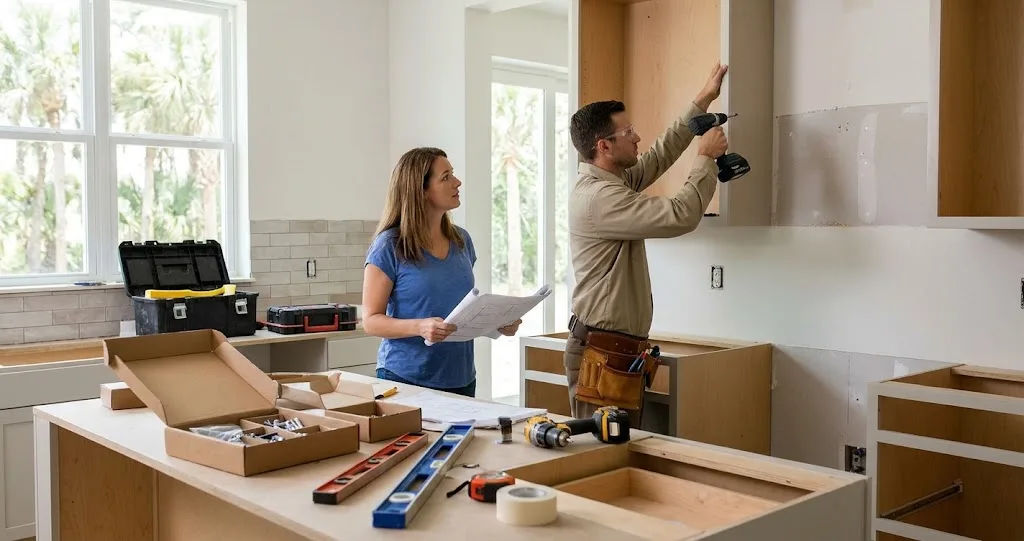 For homeowners planning a renovation, understanding the expected timeline makes it easier to organize daily activities, prepare the property, and avoid unnecessary delays. Professional cabinet installation Jacksonville projects can take anywhere from one day to several weeks, depending on whether the work involves replacing existing cabinets, installing custom cabinetry, or completing a full kitchen renovation.
Although every project is different, having a general understanding of each installation stage can help you set realistic expectations. From initial measurements and cabinet preparation to fitting, adjustments, and final inspections, each step plays an important role in achieving a durable and attractive result.
Average Time Required for Cabinet Installation
The time required to install cabinets depends primarily on the project's size and complexity. A small bathroom cabinet installation may take only a few hours, while a complete kitchen installation can require several days.
For a typical kitchen, professional installers may need approximately two to five working days to install ready-to-assemble or standard cabinets. Larger kitchens, complicated layouts, and custom cabinetry can require a week or longer for installation and finishing work.
Here is a general overview of common installation timelines:
-
Small bathroom cabinets: Approximately 3 to 6 hours.
-
Small kitchen: Approximately 1 to 2 days.
-
Average-sized kitchen: Approximately 2 to 5 days.
-
Large kitchen: Approximately 4 to 7 days.
-
Custom kitchen cabinets: Several days to two weeks, depending on complexity.
-
Whole-home cabinetry: One to several weeks, depending on the number of rooms.
These estimates generally describe installation work rather than the entire renovation process. Designing, ordering, manufacturing, and delivering cabinets can add several weeks or months before installation begins.
When scheduling cabinet installation Jacksonville, homeowners should distinguish between the time required to manufacture cabinets and the time needed to install them.
Factors That Affect Cabinet Installation Time
Several important factors determine how quickly an installation team can complete a project. Understanding these elements helps homeowners anticipate possible delays and make better renovation decisions.
1. Size of the Installation Area
The size of the kitchen or bathroom is one of the biggest factors affecting installation time.
A small kitchen with a straightforward layout usually requires fewer cabinets, less cutting, and fewer adjustments. Consequently, installers can often complete the work within one or two days.
Larger kitchens require more preparation and coordination. They may include multiple cabinet sections, tall storage units, corner cabinets, islands, pantry systems, and decorative features.
Each additional cabinet must be positioned, leveled, secured, and aligned correctly. This increases the total working time.
For homeowners planning cabinet installation Jacksonville, discussing the room's dimensions with the contractor helps establish a more realistic schedule.
2. Type of Cabinets Being Installed
The cabinet style and construction method also influence installation time.
Stock cabinets are usually the quickest option because they are manufactured in standard sizes. Their dimensions are predictable, making them relatively easy to position and secure.
Semi-custom cabinets provide more flexibility in dimensions, finishes, and storage features. However, their additional design options may require more preparation and adjustments.
Fully custom cabinets generally require the most attention. They are designed for specific spaces and may include unusual dimensions, decorative details, specialized storage, and integrated appliances.
Although custom cabinets can take longer to install, they offer greater flexibility and can make better use of unusual or limited spaces.
3. Condition of Existing Walls and Floors
The condition of the installation area can significantly affect the project schedule.
Walls that are uneven, damaged, or out of alignment may require repairs before cabinets can be installed. Similarly, uneven floors can make it difficult to position base cabinets correctly.
Installers may need to use shims, make adjustments, or arrange additional repairs to ensure everything sits level.
Older homes sometimes have hidden problems behind existing cabinetry, including water damage, deteriorated drywall, or outdated plumbing connections.
Addressing these issues before installation helps prevent future problems, even if it adds extra time to the renovation.
4. Removal of Old Cabinets
Replacing existing cabinets requires additional preparation compared with installing cabinetry in a newly constructed space.
The removal process includes emptying cabinets, disconnecting certain appliances or fixtures when necessary, removing doors and drawers, and carefully detaching cabinet boxes from walls.
Installers must also remove old hardware and dispose of unwanted materials.
If cabinets have been securely attached with adhesives or have experienced moisture damage, removal may take longer than expected.
Professional cabinet installation Jacksonville contractors usually inspect the existing cabinets before providing a timeline. This helps them estimate the removal work and identify potential complications.
5. Complexity of the Cabinet Layout
A simple cabinet arrangement is generally faster to install than a complicated design.
Straight kitchen layouts are relatively straightforward because cabinets are installed along one wall. L-shaped and U-shaped kitchens require additional corner measurements and alignment.
Kitchen islands, curved sections, floating shelves, built-in appliances, and decorative panels also increase installation complexity.
Cabinet installers must ensure that every section fits together correctly while maintaining consistent gaps and alignment.
Custom layouts can create beautiful results, but they require careful planning and more detailed installation work.
Step-by-Step Cabinet Installation Timeline
Understanding the installation process helps homeowners see where time is spent and why certain stages cannot be rushed.
1. Initial Consultation and Measurements
The process begins with an assessment of the installation area.
A contractor examines the room, discusses storage requirements, and takes measurements of the walls, floors, ceiling height, and existing fixtures.
Measurements must be accurate because even small errors can cause alignment problems later.
Installers also identify the locations of plumbing connections, electrical outlets, windows, doors, and appliances.
This stage may take a few hours, depending on the project's size.
2. Cabinet Design and Ordering
After measurements are completed, the cabinet design is prepared.
Homeowners select cabinet materials, finishes, colors, door styles, handles, and storage accessories. The contractor then prepares the order according to the approved design.
Ready-made cabinets may be available relatively quickly, while custom cabinets require manufacturing time.
Depending on the supplier and project specifications, ordering and production can take anywhere from a few weeks to several months.
This stage is important because installation should not begin until the cabinets and necessary accessories are available.
3. Preparing the Installation Area
Before installation starts, the work area must be cleared and prepared.
Existing cabinets may need to be removed, and damaged walls or floors should be repaired. Plumbing and electrical work may also need to be completed.
The installation team checks the wall surfaces and identifies the highest point of the floor. This helps establish accurate reference lines for positioning base cabinets.
Preparation may take one or two days, although extensive repairs can require additional time.
Proper preparation makes cabinet installation Jacksonville more efficient because installers can focus on fitting the new cabinetry instead of dealing with unexpected obstacles.
4. Installing Upper Cabinets
In many kitchen projects, installers begin with the upper cabinets.
They mark reference lines on the walls, locate wall studs, and position mounting supports where necessary.
Each cabinet is carefully lifted, leveled, and secured using appropriate fasteners.
Upper cabinets must be aligned properly so that doors open smoothly and neighboring units create a consistent appearance.
The installation team also checks spacing around windows, ventilation systems, and other fixtures.
Depending on the number of cabinets, this stage may take several hours to one full working day.
5. Installing Base Cabinets
After the upper sections are secured, installers position the base cabinets.
The units are aligned according to the approved kitchen layout and adjusted to create a level surface for the countertop.
Cabinets are secured to the wall and connected to neighboring units where appropriate.
Special attention is given to corner cabinets, sink bases, and appliance openings.
Because base cabinets support countertops and other heavy surfaces, proper leveling and secure attachment are essential.
This stage can take one or two days in an average-sized kitchen.
6. Installing Doors, Drawers, and Hardware
Once the cabinet boxes are secured, installers fit doors, drawers, hinges, handles, and other accessories.
They adjust hinges to create even spacing and ensure that doors open and close smoothly.
Drawer slides are checked for proper movement, and soft-close mechanisms are tested when included.
Although this stage may appear simple, small adjustments can make a major difference in the finished appearance.
It may take several hours or longer for kitchens with extensive cabinetry and specialized storage features.
7. Final Adjustments and Inspection
The final stage involves checking the entire installation.
Installers examine cabinet alignment, fastening points, door movement, drawer operation, and visible gaps.
They also inspect decorative panels, trim, and connections around appliances.
Any minor adjustments are completed before the project is considered finished.
A professional cabinet installation Jacksonville team should leave the work area clean and explain any remaining care or maintenance requirements.
This final inspection may take a few hours, depending on the project's size.
How Long Does Custom Cabinet Installation Take?
Custom cabinetry generally requires more time than standard cabinet installation because each unit is designed for a particular room.
The manufacturing stage can take several weeks or longer. Once the cabinets arrive, installation may take approximately three to ten working days for an average kitchen.
More complicated projects may require additional time, especially when they include ceiling-height cabinets, integrated lighting, decorative moldings, specialized storage, or large kitchen islands.
Custom cabinets also require careful fitting because they are manufactured according to specific measurements.
The benefit is that homeowners receive cabinetry designed around their available space, storage needs, and preferred appearance.
When planning cabinet installation Jacksonville, homeowners should ask whether the contractor's estimated timeline includes manufacturing, delivery, installation, and finishing.
Can Cabinet Installation Be Completed in One Day?
Yes, certain cabinet projects can be completed in one day.
A small bathroom vanity, laundry room cabinet, or simple kitchen cabinet replacement may require only a few hours when the area is already prepared.
However, a complete kitchen installation is less likely to be finished in a single day.
The number of cabinets, available working space, wall conditions, and installation complexity all influence the schedule.
A project may take longer if installers must remove old cabinets, repair walls, adjust plumbing, or work around appliances.
It is important to prioritize quality rather than expecting every project to follow an unusually short timeline.
Rushing the process can lead to uneven cabinets, loose connections, poorly adjusted doors, and other problems that may require expensive repairs.
Common Reasons Cabinet Installation Takes Longer
Even carefully planned projects can experience delays. Understanding common causes helps homeowners prepare for unexpected changes.
Delivery and Manufacturing Delays
Cabinet suppliers sometimes experience production backlogs or shipping problems.
Custom orders are especially vulnerable because manufacturing depends on specific materials, finishes, and measurements.
Ordering cabinets early and confirming delivery dates can reduce scheduling problems.
Unexpected Structural Problems
Removing old cabinetry may reveal damaged walls, moisture problems, or uneven surfaces.
These issues should be addressed before installing new cabinets.
Although repairs can extend the timeline, ignoring them can compromise the quality and durability of the installation.
Plumbing and Electrical Changes
Moving a sink, dishwasher, refrigerator, or electrical outlet may require additional professional work.
These changes can involve multiple contractors and inspections, depending on the project's requirements.
Coordinating the work in advance helps prevent unnecessary delays.
Last-Minute Design Changes
Changing cabinet dimensions, finishes, hardware, or layouts after ordering can affect the project schedule.
Some changes require new measurements or replacement components.
Finalizing the design before manufacturing begins is one of the best ways to keep the installation on track.
Limited Working Space
A crowded kitchen or occupied home can make installation more difficult.
Installers need enough room to move cabinets, operate tools, and access walls safely.
Removing furniture, appliances, and stored belongings before work begins can help the team complete the project efficiently.
How to Prepare Your Home for Faster Installation
Homeowners can take several practical steps to make the installation process smoother.
Clear the work area: Remove dishes, cookware, furniture, and personal belongings from the installation space.
Arrange appliance removal: Discuss whether appliances need to be disconnected or moved before the installation team arrives.
Finalize cabinet selections: Confirm measurements, colors, finishes, hardware, and accessories before ordering.
Complete necessary repairs: Address plumbing leaks, damaged drywall, and flooring problems before installation begins.
Confirm deliveries: Make sure all cabinet components, mounting materials, and hardware are available.
Protect nearby areas: Cover floors and furniture in adjacent rooms to reduce dust and accidental damage.
Plan alternative arrangements: If the kitchen will be unavailable, prepare a temporary area for basic meal preparation.
These preparations help professional cabinet installation Jacksonville teams work more efficiently while reducing unnecessary interruptions.
How to Choose an Installer Who Works Efficiently
Choosing an experienced contractor is essential for keeping a cabinet project on schedule.
Start by reviewing the contractor's previous projects. Look for examples that demonstrate clean alignment, consistent spacing, secure installation, and attention to detail.
Ask about experience with the particular cabinet type you have selected.
A contractor who regularly installs custom cabinetry may be better suited to complicated designs than someone who primarily handles standard replacement projects.
You should also request a written estimate that explains the expected timeline.
Ask whether the schedule includes cabinet removal, surface preparation, installation, hardware fitting, and final inspection.
Another important consideration is communication. A reliable installer should explain potential delays, provide progress updates, and discuss unexpected problems before making changes.
For cabinet installation Jacksonville, homeowners should compare more than prices. Professional experience, workmanship, scheduling practices, and clear communication are equally important.
Questions to Ask Before the Installation Begins
Before hiring a contractor, ask a few important questions to avoid confusion.
-
How many working days will the installation require?
-
Does the estimated timeline include removing existing cabinets?
-
Are wall and floor repairs included in the project?
-
Will plumbing and electrical work require separate contractors?
-
Are all cabinets and hardware available before installation?
-
Who is responsible for removing construction debris?
-
What happens if damaged materials or unexpected problems are discovered?
-
Will the contractor inspect the completed installation?
Clear answers help homeowners understand what to expect and make it easier to plan around the renovation.
A written agreement should outline the project's scope, estimated completion date, payment arrangements, and responsibilities.
Conclusion
The time required for cabinet installation depends on the size of the project, cabinet type, room condition, design complexity, and preparation work. While a small bathroom cabinet may be installed within a few hours, an average kitchen can require approximately two to five working days. Larger kitchens and custom cabinetry may take considerably longer.
Homeowners should also remember that the installation period is only one part of the overall renovation schedule. Designing, manufacturing, ordering, and delivering cabinets can add several weeks or months before the actual work begins.
Proper preparation is one of the most effective ways to avoid unnecessary delays. Clearing the installation area, completing repairs, confirming measurements, and ensuring that all materials are available can help contractors work efficiently.
Choosing an experienced professional is equally important. A skilled installer understands how to measure accurately, position cabinets securely, maintain consistent alignment, and make necessary adjustments. These details contribute to a finished result that looks attractive and performs reliably for years.
When planning cabinet installation Jacksonville, it is best to request a detailed project estimate rather than relying on a general installation timeframe. Discuss the project's requirements, ask about possible delays, and confirm what is included in the contractor's schedule.
Ultimately, a successful cabinet installation is not simply about completing the work quickly. It is about achieving the right balance between efficiency, careful workmanship, and lasting quality. With realistic expectations and proper planning, homeowners can enjoy a smooth renovation process and beautifully installed cabinets that improve their home's comfort, organization, and value.