

Online gaming has become a popular way for people to relax, compete, and connect with others. Players can communicate with teammates, join multiplayer matches, participate in tournaments, and build friendships with people from different parts of the world. However, these social features also introduce certain risks, especially when players interact with people they have never met. Understanding who is safe to communicate with is an important part of enjoying online entertainment.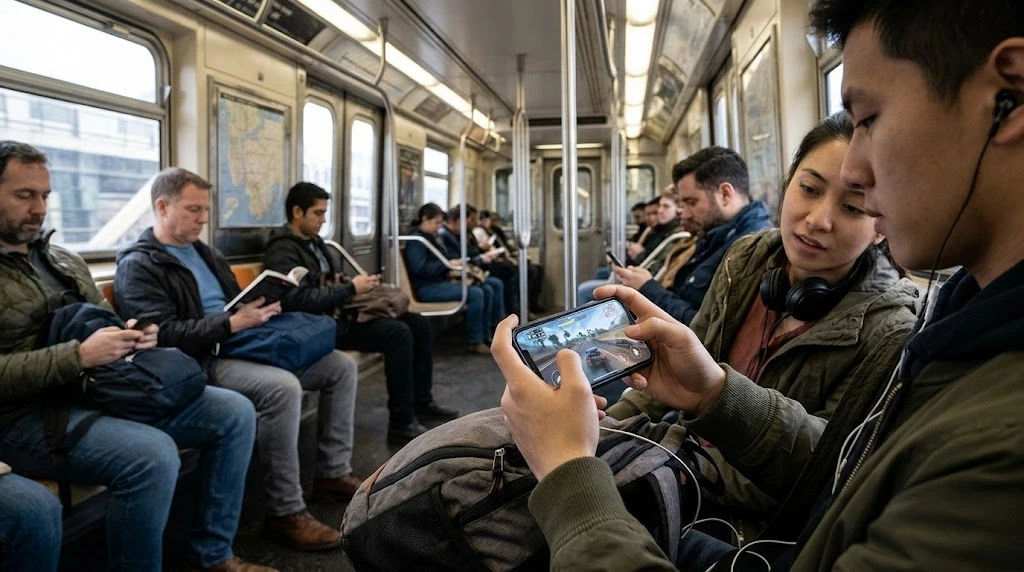
Mobile App Gaming allows players to interact with strangers through text chats, voice messages, multiplayer teams, and online communities. Although many players use these features simply to enjoy games and cooperate with others, not everyone has good intentions. Some strangers may attempt to collect personal information, manipulate younger players, send harmful messages, or encourage unsafe activities.
This does not mean that every stranger in an online game is dangerous. Many people are friendly, respectful, and interested in building positive gaming experiences. The important thing is to understand potential risks, recognize suspicious behavior, and develop healthy online habits. With the right precautions, players can enjoy multiplayer entertainment while protecting their privacy, accounts, and personal safety.
Interactions With Strangers in Online Games
Multiplayer games create opportunities for people to communicate with players they do not know personally. These interactions can happen during matches, competitions, team activities, and community discussions.
Some games allow players to communicate immediately, while others provide friend requests, private messaging, and voice chat options. These features make gaming more social but also create opportunities for unwanted contact.
Why Players Meet Strangers
There are several reasons why players interact with unfamiliar people.
-
Team cooperation: Multiplayer games often require players to work together to complete objectives.
-
Competitive matches: Players may communicate to discuss strategies and improve their performance.
-
Community participation: Gaming communities allow people to exchange experiences and discuss updates.
-
Friendship building: Some players enjoy meeting people who share similar interests.
-
Tournament participation: Competitive events often bring together players from different countries and backgrounds.
These interactions can make gaming more enjoyable. However, players should remember that an online username does not reveal someone's real identity or intentions.
Are All Strangers Dangerous?
Mobile App Gaming pkrslots online interactions are ordinary social exchanges. A stranger might simply want to discuss a game, coordinate a team, or share helpful advice.
Nevertheless, players should avoid trusting unfamiliar people too quickly. Someone may appear friendly while gradually attempting to obtain private information.
A sensible approach is to remain polite without becoming overly comfortable. Players can cooperate during matches while maintaining clear boundaries about personal information and private communication.
Common Risks of Interacting With Strangers
Understanding common online threats helps players recognize situations that require attention.
Not every uncomfortable interaction represents a serious security threat, but repeated suspicious behavior should never be ignored.
Personal Information Collection
One common risk involves strangers asking questions about a player's personal life.
They might ask for a real name, home address, school, workplace, phone number, or daily schedule. Sometimes, these questions appear harmless because they are introduced during friendly conversations.
However, sharing such information can expose players to privacy problems.
Players should avoid discussing identifying details with people they have only met through gaming. Even seemingly small pieces of information can become useful when combined.
Online Scams and Fake Rewards
Some strangers promise free rewards, premium items, special accounts, or exclusive gaming benefits.
They may claim that a player can receive these rewards by visiting an unfamiliar website, sharing a password, or providing a verification code.
These offers can be attempts to steal accounts or financial information.
Players should remember that legitimate rewards should be obtained through official game features and authorized channels. Unfamiliar links and unrealistic promises deserve suspicion.
Harassment and Abusive Communication
Online communication sometimes becomes unpleasant because players may use insults, threats, or aggressive language.
Strangers can also target individuals because of their gaming performance, opinions, or participation in a particular team.
Repeated harassment can make gaming stressful and discourage players from participating in multiplayer activities.
Players do not need to tolerate abusive behavior. Blocking and reporting tools are available in many games to help manage these situations.
Grooming and Manipulation
One particularly serious concern involves individuals who gradually build trust with younger players for harmful purposes.
They may begin with friendly conversations, offer gifts, or show unusual interest in someone's personal life.
Over time, they might request private photographs, personal contact details, or conversations outside the gaming platform.
Young players should understand that gifts and friendly behavior do not create an obligation to share private information.
Any request for secrecy, inappropriate photographs, or private meetings should be treated seriously and discussed with a trusted adult.
How to Identify Unsafe Players
Recognizing warning signs is an important part of staying protected.
Players do not need to investigate strangers or determine their real identities. Instead, they should pay attention to behavior that crosses reasonable boundaries.
Watch for Unusual Personal Questions
A stranger who repeatedly asks about someone's location, school, family, or daily routine may be attempting to collect private information.
One ordinary question does not necessarily indicate harmful intentions. However, persistent questioning after someone refuses to answer is a warning sign.
Players should feel comfortable changing the subject, ending the conversation, or blocking the person.
Be Careful With Expensive Gifts
Some suspicious players use gifts to gain another person's trust.
They may offer valuable gaming items, currency, or account upgrades in exchange for personal information or favors.
A genuine friendship should not depend on accepting gifts or fulfilling uncomfortable requests.
Players should never share passwords, payment details, or verification codes to receive an online reward.
Recognize Pressure and Threats
Unsafe individuals may attempt to control conversations by creating fear or urgency.
For example, they might threaten to expose private messages unless the player follows their instructions.
Others may pressure players into continuing conversations after they have expressed discomfort.
These behaviors are unacceptable. Players should stop responding, preserve relevant evidence when appropriate, and report the account through official channels.
Essential Safety Settings for Mobile App Gaming
Privacy and security settings can significantly reduce unwanted interactions.
Many gaming platforms provide controls that allow players to decide who can contact them, view their profiles, or join their activities.
Adjust Chat and Messaging Permissions
Players should review available communication settings before joining multiplayer communities.
Useful privacy options may include:
-
Limiting messages to approved friends.
-
Disabling messages from unknown accounts.
-
Turning off public voice communication.
-
Restricting invitations from unfamiliar players.
-
Disabling unnecessary profile visibility.
-
Muting players who repeatedly cause disturbances.
These settings can reduce unwanted contact without preventing players from enjoying their favorite activities.
Use Strong Account Security
Account protection is another important safety measure.
Players should create strong, unique passwords and enable two-factor authentication whenever supported.
A password should not be reused across gaming accounts, email services, and social media platforms.
Two-factor authentication provides an additional layer of protection because accessing an account requires more than simply knowing its password.
Players should also avoid sharing login credentials with friends or strangers.
Keep Gaming Applications Updated
Application updates frequently include security improvements, bug fixes, and privacy enhancements.
Using outdated software may expose players to problems that have already been addressed in newer versions.
Downloading updates through official application stores and authorized sources is generally safer than installing unknown files.
Regular updates also help maintain compatibility with modern security features.
Protecting Children From Strangers in Online Games
Children may enjoy multiplayer entertainment because it allows them to play with friends and meet other gaming enthusiasts.
However, younger players may have difficulty recognizing manipulation, scams, or inappropriate communication.
Parents and guardians should help children understand how to interact safely with unfamiliar players.
Establish Clear Communication Rules
Children should know that they must never share personal details with strangers.
Important information includes:
-
Full names and home addresses.
-
School names and classroom details.
-
Personal telephone numbers.
-
Passwords and verification codes.
-
Private photographs and videos.
-
Family financial information.
Parents should explain these rules in simple language and provide examples of unsafe requests.
Children should also understand that they can leave any conversation that makes them uncomfortable.
Encourage Open Conversations
Parents should create an environment where children feel comfortable discussing unusual online experiences.
If a stranger sends inappropriate messages or makes threatening requests, children should not feel afraid of getting into trouble for reporting the incident.
A supportive response helps children seek assistance earlier.
Parents should listen carefully, avoid blaming the child, and take appropriate steps to protect them.
Use Parental Controls
Many devices and gaming platforms provide parental control options.
These controls may allow parents to manage screen time, restrict purchases, limit communication, and control access to certain applications.
Parents should review these settings according to the child's age and maturity.
Supervision should also include occasional conversations about online behavior rather than relying entirely on technical restrictions.
Safe Communication Practices During Multiplayer Matches
Communication is often necessary for successful multiplayer gaming. Players may need to coordinate movements, discuss strategies, and respond quickly during competitive situations.
However, useful communication does not require sharing personal information.
Keep Conversations Focused on Gaming
Players should concentrate on the match, team objectives, and general gaming discussions.
There is usually no reason to reveal personal details during an ordinary multiplayer session.
For example, discussing a game strategy is appropriate, while explaining where someone lives or when they are home alone is unnecessary.
Maintaining this distinction makes online communication safer.
Avoid Moving Conversations to Unknown Platforms
A stranger may request that a player leave the gaming platform and continue chatting through another application.
Although moving conversations is not automatically dangerous, it can reduce the protection provided by the original platform's moderation and reporting systems.
Players should be especially cautious when someone insists on private communication or repeatedly asks them to move to unfamiliar websites.
Use Voice Chat Carefully
Voice communication can make teamwork easier, but it may also reveal personal information.
Players should avoid mentioning their full names, locations, schools, or other identifying details through microphones.
Using available mute controls can help prevent unwanted conversations.
If another player becomes aggressive or inappropriate, ending voice communication is a reasonable response.
What Should You Do When a Stranger Behaves Suspiciously?
Knowing how to respond to unsafe interactions can prevent a situation from becoming more serious.
Players should not feel responsible for changing another person's behavior or proving that someone has harmful intentions.
Their priority should be protecting themselves.
Stop Sharing Information
If a conversation becomes uncomfortable, immediately stop providing personal details.
Do not send photographs, passwords, verification codes, financial information, or private contact details.
If someone continues asking inappropriate questions, there is no need to explain or defend your decision.
Block and Report the Account
Most established gaming platforms provide tools for managing problematic accounts.
Blocking can prevent further communication, while reporting allows moderators to review potentially harmful behavior.
When reporting, provide accurate information about what happened.
Depending on the situation, keeping screenshots or other relevant evidence may help document harassment, threats, or suspicious requests. Avoid sharing that evidence publicly.
Inform a Trusted Person
Younger players should speak with a parent, guardian, or another trusted adult when someone makes them uncomfortable.
Adults can help assess the situation, adjust privacy settings, and contact the appropriate platform support team.
If someone makes threats involving physical harm, attempts to arrange an unsafe meeting, or engages in serious exploitation, appropriate local authorities may also need to be contacted.
Choosing Safer Games and Gaming Communities
Not every game offers the same level of communication control, moderation, or account protection.
Before joining a new gaming community, players should consider how the platform manages interactions between strangers.
Check Available Safety Features
A safer gaming environment generally provides useful moderation and privacy options.
Look for features such as:
-
Easy account blocking.
-
Accessible reporting tools.
-
Customizable chat permissions.
-
Parental control options.
-
Account security settings.
-
Community moderation policies.
-
Clear procedures for reporting abuse.
These features do not guarantee that every interaction will be safe, but they can help players manage unwanted behavior.
Understand Community Guidelines
Gaming communities often establish rules about harassment, cheating, inappropriate language, and account misuse.
Reading these guidelines helps players understand what behavior is acceptable.
Communities with active moderation and clear reporting procedures may provide a better environment than groups where abusive conduct is ignored.
Players should also avoid joining unfamiliar groups that encourage harassment, scams, or unsafe activities.
Maintaining a Healthy Balance Between Trust and Privacy
One of the most important lessons in online gaming is that players can be friendly without becoming overly trusting.
Being cautious does not mean avoiding every social interaction.
Healthy online communities depend on cooperation, respect, and communication. Players can develop positive friendships while maintaining reasonable privacy boundaries.
Build Trust Gradually
Online friendships should develop naturally over time.
Players should pay attention to how others behave, particularly when disagreements occur or boundaries are established.
Someone who respects privacy, accepts refusals, and communicates politely demonstrates healthier behavior than someone who constantly demands attention or personal information.
Even after developing an online friendship, players should continue protecting sensitive details.
Understand That Online Identities Can Be Misleading
A profile picture, username, or friendly personality does not prove someone's identity.
People may present themselves differently online, and some individuals may pretend to be younger, older, or someone they are not.
Players should avoid making important decisions based entirely on information provided by an unfamiliar account.
It is safer to treat online identities carefully and avoid assuming that someone is trustworthy simply because they appear familiar.
Do Not Let Gaming Pressure Influence Decisions
Some strangers may use competition, friendship, or social pressure to encourage unsafe behavior.
For example, a player might be told that sharing an account password is necessary to join a team or receive a special reward.
These demands should be rejected.
No match, friendship, achievement, or virtual reward is worth risking personal safety or account security.
The Role of Parents, Developers, and Players in Online Safety
Online safety is a shared responsibility.
Individual players can make better decisions, parents can provide guidance, and developers can introduce protective features that make gaming communities safer.
Responsibilities of Game Developers
Developers should design communication systems with user safety in mind.
This includes effective reporting tools, moderation systems, privacy controls, and clear community standards.
They should also respond appropriately to reports involving harassment, scams, impersonation, and exploitation.
Regular security updates and transparent privacy policies can further improve player confidence.
Responsibilities of Parents
Parents should understand the games their children use and the communication features those games provide.
They can discuss privacy, establish suitable gaming rules, and help children recognize suspicious behavior.
Rather than treating every online interaction as dangerous, parents should teach practical decision-making skills.
This approach helps children become more responsible digital participants.
Responsibilities of Players
Every player can contribute to a healthier gaming environment.
Respecting other people, avoiding harmful messages, reporting abusive behavior, and protecting private information are simple but valuable actions.
Players should also avoid forwarding suspicious links or participating in communities that encourage unsafe conduct.
A respectful gaming culture benefits everyone.
Practical Safety Checklist for Mobile App Gaming
Before participating in multiplayer activities, players can follow a few simple precautions.
Following these precautions does not require advanced technical knowledge. Most players can improve their online safety by making a few sensible changes to their everyday gaming habits.
Conclusion
Strangers are not automatically dangerous in online gaming environments, but interacting with unfamiliar people requires awareness, good judgment, and appropriate privacy precautions. Many players use multiplayer platforms to enjoy teamwork, make friends, exchange gaming advice, and participate in competitive activities. These experiences can be positive when everyone respects personal boundaries and communicates responsibly.
Mobile App Gaming provides opportunities to connect with people from different backgrounds, but it also introduces risks such as harassment, account theft, scams, inappropriate messages, and attempts to collect personal information. Understanding these threats makes it easier to recognize suspicious behavior before it becomes a serious problem.
Players should avoid sharing private details, use strong passwords, enable available security features, and keep their applications updated. They should also understand how blocking and reporting tools work so they can respond confidently when someone behaves inappropriately.
Parents have an important role in protecting younger players. Open communication, suitable parental controls, and clear online safety rules can help children recognize harmful requests and seek assistance when necessary. Developers also contribute by maintaining effective moderation systems and providing accessible privacy settings.
Most importantly, online friendships should develop gradually. Players can be polite, cooperative, and welcoming without giving strangers access to personal information or private accounts. Nobody should feel pressured to accept gifts, follow suspicious links, move conversations to unfamiliar platforms, or participate in uncomfortable activities.
Ultimately, safe gaming is about maintaining a healthy balance between social interaction and personal protection. By staying alert, respecting boundaries, and using available safety features, players can enjoy multiplayer experiences with greater confidence. Strangers can become positive members of a gaming community, but trust should always be earned through consistent and respectful behavior.