

A fitness clothing manufacturer turns an apparel idea into finished workout clothing through a carefully controlled production process. What looks like a simple pair of leggings, sports bra, training shirt, or pair of shorts involves many decisions about fabric, fit, stitching, performance, durability, and quality control.Fitness apparel has to do more than look attractive.
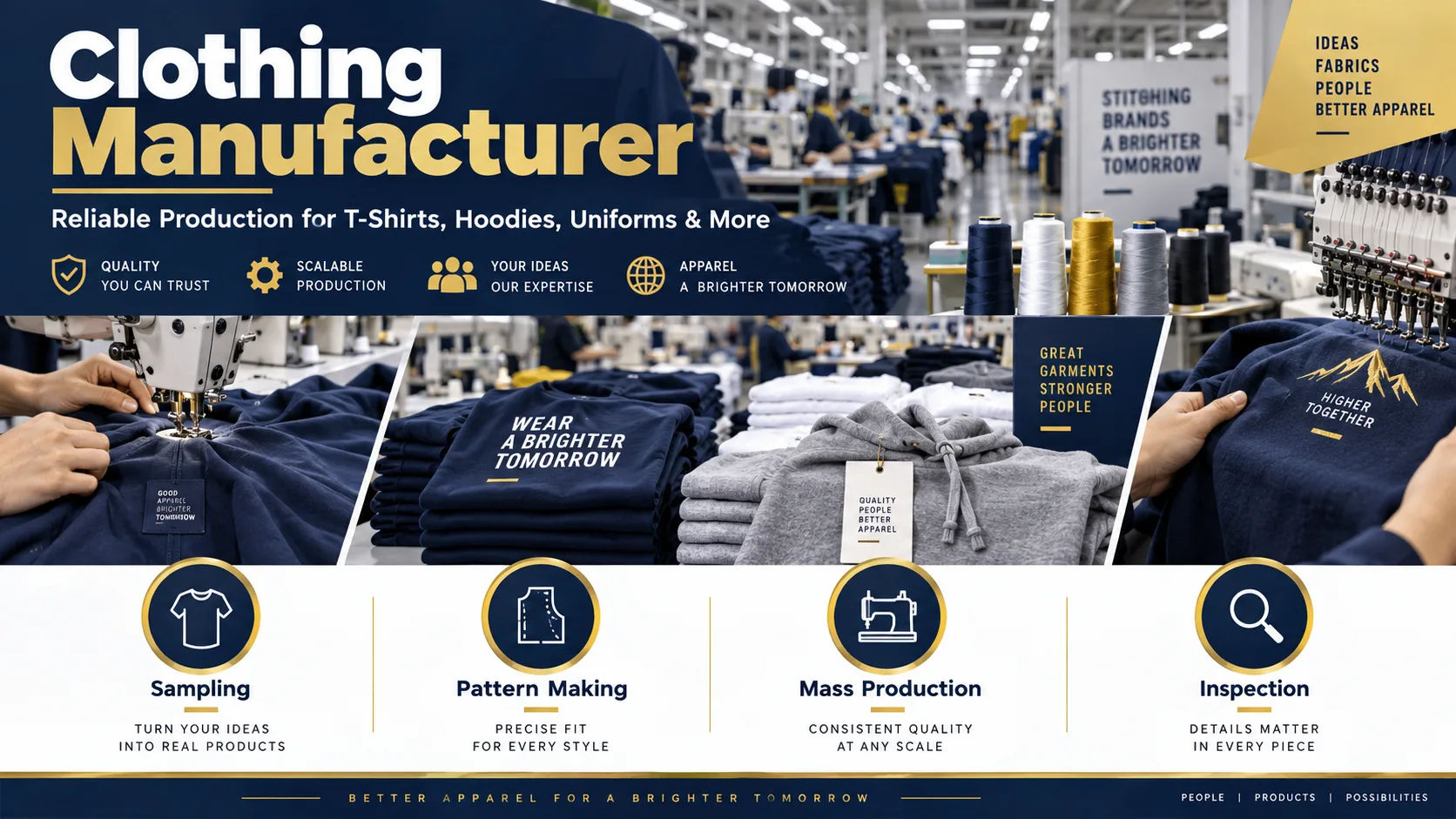
It needs to move with the body, handle sweat, survive repeated washing, and remain comfortable during exercise. This is why manufacturing activewear requires specialized materials and production methods.Whether a brand wants basic gym clothing or highly technical performance apparel, the manufacturing process usually follows several important stages. Understanding these stages makes it easier to see how an idea becomes a finished garment.
Product Design and Development
The process normally starts with an idea. A clothing brand decides what type of fitness apparel it wants to produce and identifies the people who will wear it.
The product could be leggings designed for yoga, compression shorts for running, moisture-wicking shirts for gym training, or supportive sports bras for high-impact exercise.
The design team considers the purpose of the garment before deciding on its appearance. Factors such as movement, body coverage, ventilation, support, and comfort all influence the final design.
A fitness clothing manufacturer may work from a brand's existing design or help develop the product from the beginning.
Creating the Technical Design
Once the basic concept is established, technical details are added.
A technical design specifies measurements, seams, stitching locations, fabric requirements, trims, labels, colors, and other construction details. These specifications help the production team understand exactly how the garment should be made.
For more complicated garments, the design may also include special panels, pockets, elastic sections, mesh inserts, reflective elements, or compression zones.
Small design decisions can have a major effect on performance. For example, the position of a seam can determine whether a garment feels comfortable during repetitive movement or causes irritation.
Choosing the Right Fabric
Fabric selection is one of the most important parts of activewear manufacturing.
Workout clothing needs materials that match the activity for which the garment is designed. A lightweight running shirt has different requirements from heavy-duty training shorts.
Common activewear fabrics include polyester, nylon, elastane, and blends of synthetic and natural fibers.
Polyester is widely used because it is durable, relatively lightweight, and capable of supporting moisture-management finishes. Nylon is valued for its softness, strength, and abrasion resistance. Elastane, often known by the brand name spandex, provides stretch and helps garments return to their original shape.
Stretch and Recovery
Stretch is particularly important for fitness clothing.
Leggings, sports bras, compression garments, and training tops often need to stretch significantly as the wearer bends, squats, runs, or lifts weights.
However, simply stretching is not enough. The fabric also needs good recovery.
Recovery describes the material's ability to return to its original shape after being stretched. Poor recovery can result in sagging knees, loose waistbands, or garments that gradually lose their original fit.
A skilled fitness clothing manufacturer evaluates these characteristics before committing large quantities of fabric to production.
Moisture Management
Sweat management is another major consideration.
Many performance garments use moisture-wicking fabrics designed to move perspiration away from the skin and help it spread across the fabric surface. This can allow moisture to evaporate more efficiently.
The exact performance depends on the fabric construction, fiber characteristics, finishing treatments, garment design, and surrounding environment.
Manufacturers therefore need to select materials based on the actual use of the garment rather than relying only on marketing descriptions.
Creating Patterns and Samples
After the design and materials are selected, patterns are created.
A pattern is essentially a template for each section of the garment. A pair of leggings, for example, may require several individual pattern pieces that must eventually fit together accurately.
Computer-aided design software is commonly used to create and adjust these patterns.
The first sample is then produced.
This sample allows the brand and manufacturer to evaluate the actual garment rather than relying only on drawings or measurements.
Fitting and Sample Adjustments
A garment can look perfect on paper and still fit poorly when someone wears it.
This is why sample fitting is such an important stage.
The sample may be tested for waistband placement, sleeve length, body length, compression, stretch, coverage, and overall comfort.
For activewear, movement testing is particularly important. The garment may be evaluated while the wearer walks, bends, stretches, squats, runs, or performs other movements related to its intended purpose.
If the waistband rolls, the fabric becomes transparent when stretched, or a seam restricts movement, the pattern may need to be changed.
A fitness clothing manufacturer may produce several rounds of samples before the final production pattern is approved.
Fabric Inspection and Preparation
Once the design is approved, production can begin.
Before fabric is cut, it is inspected for defects. Manufacturers look for problems such as holes, stains, inconsistent coloration, weaving issues, or other irregularities.
Fabric may also need to rest before cutting, particularly when working with stretch materials. This can help reduce problems caused by tension introduced during fabric production or rolling.
The fabric is then prepared for cutting.
Accurate preparation is important because cutting errors can affect every garment made from the same fabric batch.
Pattern Grading
Fitness clothing is usually produced in multiple sizes.
Pattern grading involves adjusting the original pattern to create different sizes while maintaining the intended proportions and fit.
For example, a manufacturer may develop sizes ranging from extra small to extra large, with additional sizes depending on the brand's target market.
Good grading is not simply increasing every measurement by the same amount. Different parts of the body change at different rates between sizes.
This makes professional pattern development particularly important for garments that need a close and supportive fit.
Fabric Cutting
After the patterns are finalized and graded, fabric is laid out in layers.
The patterns are arranged carefully to make efficient use of the material. This process is sometimes called marker making.
Efficient pattern placement reduces fabric waste and can significantly affect manufacturing costs.
The fabric is then cut according to the approved patterns.
Depending on the facility and production volume, cutting may be performed using specialized cutting equipment. Accuracy is critical because even a small mistake can create problems during sewing.
Each cut piece must also remain organized so that the correct components reach the sewing stage.
Sewing and Garment Assembly
Sewing is where individual fabric pieces become an actual garment.
Different seams and construction techniques may be used depending on the product.
Leggings, for example, may require flat seams or carefully positioned seams to improve comfort during exercise. Sports bras may require elastic attachment, lining, multiple fabric layers, and specialized support construction.
A fitness clothing manufacturer selects machines and sewing techniques based on the fabric and garment design.
Specialized Stitching
Different stitches serve different purposes.
Overlock stitching can help finish fabric edges and create durable seams. Coverstitch machines are frequently used for hems and athletic garments because they can produce flexible finishes.
Flatlock construction can reduce bulky seam allowances and may improve comfort against the skin.
The choice of stitching affects durability, appearance, flexibility, and comfort.
A garment intended for intense exercise needs seams that can withstand repeated stretching without breaking.
Adding Waistbands, Elastic, and Other Components
Many fitness garments contain components beyond the main fabric.
Leggings may have elastic waistbands, drawcords, pockets, or gussets. Sports bras may include elastic bands, removable cups, adjustable straps, or supportive panels.
These components must be attached accurately.
For example, an uneven waistband can make an otherwise well-designed pair of leggings uncomfortable. Poorly attached elastic may also lose its effectiveness after repeated use.
The manufacturing team therefore checks these details during assembly rather than waiting until the entire garment is finished.
Printing, Embroidery, and Branding
Branding is usually added at a specific stage of production.
Depending on the product, manufacturers may use screen printing, heat transfers, sublimation printing, embroidery, woven labels, or other decoration methods.
Sublimation printing is often used with suitable synthetic fabrics because the design can become integrated into the fabric rather than sitting as a thick layer on the surface.
Heat-transfer graphics can be useful for logos and detailed designs.
The correct method depends on the fabric, design, expected durability, production quantity, and desired appearance.
Washing and Performance Testing
Before large-scale production is approved, samples may undergo testing.
Testing can examine colorfastness, shrinkage, seam strength, stretch recovery, fabric performance, and resistance to repeated washing.
Fitness apparel receives considerable physical stress. It may be stretched, rubbed, exposed to sweat, washed frequently, and dried repeatedly.
A garment that looks excellent when new may not perform well after several months of use. Testing helps identify these weaknesses before products reach customers.
Quality Control
Quality control is performed throughout the manufacturing process.
Inspectors may examine fabric before cutting, monitor sewing during production, and inspect finished garments before packing.
They can check measurements, stitching, color consistency, labels, logos, loose threads, stains, holes, and other defects.
Measurements are especially important for activewear because small differences can affect fit.
Some manufacturers inspect garments individually, while others use sampling systems depending on production volume and quality requirements.
A reliable fitness clothing manufacturer should have clear quality standards rather than relying only on a final visual inspection.
Final Finishing
After sewing and inspection, garments go through final finishing.
Loose threads may be trimmed. Creases may be removed, and garments may be pressed or steamed when necessary.
Labels, tags, care instructions, and packaging requirements are checked.
The clothing is then folded or arranged according to the brand's specifications.
At this stage, the garment should match the approved sample in terms of appearance, measurements, construction, and branding.
Packaging and Shipment
Finished apparel is packed for shipment after final quality checks.
Packaging can vary considerably between brands. Some use individual polybags, recyclable packaging, branded boxes, or other presentation materials.
Products are then organized into cartons according to size, color, style, and quantity.
The cartons are prepared for transportation to the brand, warehouse, distributor, or retailer.
For international production, the shipping process may involve additional documentation and logistical planning.
What Makes Fitness Apparel Manufacturing Different?
Regular fashion clothing and fitness clothing share many manufacturing principles, but performance apparel has additional requirements.
Fitness garments need to accommodate movement. They often need stretch, durability, moisture management, and reliable recovery.
A fashion top may prioritize appearance and drape. A training top may need to remain comfortable while the wearer is sweating and moving continuously.
Likewise, ordinary trousers may not need to withstand repeated deep stretching, while leggings designed for exercise must do exactly that.
This is why choosing an experienced fitness clothing manufacturer can be important for brands developing technical activewear.
Common Problems During Manufacturing
Manufacturing is not always straightforward.
Fabric can behave differently during cutting and sewing than expected. Stretch fabrics can shift, seams can become uneven, and colors can vary between production batches.
Fit issues can also appear late in development.
One of the biggest mistakes is rushing from an initial design directly into large-scale production.
Sampling exists for a reason. It gives manufacturers and brands an opportunity to discover problems while changes are still manageable.
Another common problem is focusing heavily on appearance while overlooking construction.
A garment can have an attractive logo and fashionable color but still fail if the waistband slips, stitching breaks, or the fabric becomes uncomfortable during exercise.
How Brands Can Work Better With Manufacturers
Clear communication can make the production process much easier.
A brand should provide detailed specifications, approved measurements, fabric requirements, color references, branding instructions, packaging requirements, and quality expectations.
Samples should be reviewed carefully rather than approved based only on appearance.
It is also useful to discuss minimum order quantities, production timelines, material availability, testing requirements, and acceptable tolerances before production begins.
The relationship works best when both sides understand that manufacturing quality depends on details.
Conclusion
The process of making fitness apparel is much more involved than cutting fabric and sewing it together. It begins with understanding the garment's purpose and continues through design, fabric selection, pattern development, sampling, fitting, cutting, sewing, branding, testing, inspection, and packaging.
A capable fitness clothing manufacturer must balance performance, comfort, appearance, durability, production efficiency, and cost. Every stage can influence the quality of the final product.
For brands, understanding this process is valuable because it helps set realistic expectations. A good product usually requires testing and refinement before it is ready for mass production.
The best fitness clothing is not simply clothing that looks athletic. It is apparel designed around how people actually move and exercise. Fabric must behave properly, seams must hold up, sizing must remain consistent, and construction must support the garment's intended use.
When these details are handled carefully, the result is clothing that performs well beyond the first wear. That is ultimately what separates professionally manufactured fitness apparel from a product that only looks good in a product photograph.