

Leather jackets are valuable clothing pieces that can last for many years when they receive proper care. However, moisture, poor ventilation, and improper storage can create the perfect conditions for mold growth. Whether you own a vintage jacket or a modern piece from Pelle Pelle Store, preventing mold should be part of your regular leather-care routine.
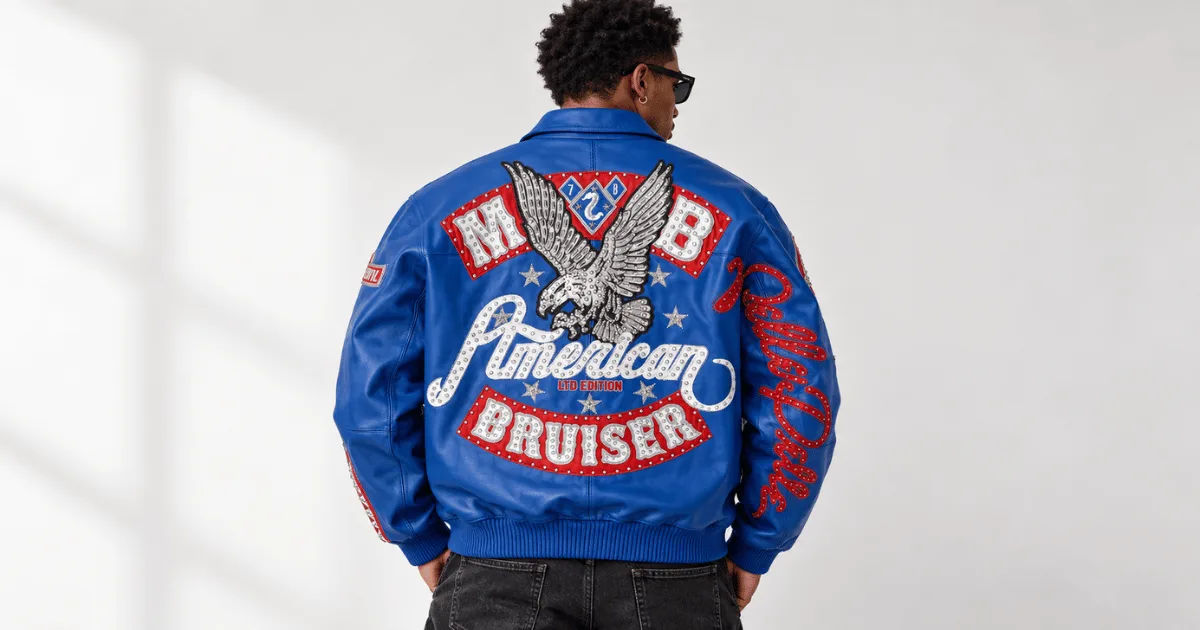
Mold is more than an unpleasant-looking surface problem. It can produce a musty odor, stain leather, weaken the material, and eventually cause permanent damage. The good news is that most mold problems can be prevented by controlling humidity, keeping the jacket clean and dry, and storing it correctly.
This comprehensive guide explains why mold develops on leather jackets, how to prevent it, what storage conditions are best, and what mistakes should be avoided.
Why Does Mold Grow on Leather Jackets?
Mold is a type of fungus that grows when environmental conditions provide enough moisture, warmth, and organic material. Leather is particularly vulnerable because it is a natural material that can absorb moisture from the surrounding environment.
A damp closet, humid room, wet jacket, or lack of air circulation can increase the risk. If these conditions continue for several days or weeks, mold spores may begin growing on the leather surface.
Leather jackets can also collect sweat, body oils, dirt, and other residues. These substances may provide additional nutrients for mold. This is why regular cleaning and proper storage are important.
Moisture Is the Biggest Problem
Excess moisture is one of the main causes of mold on leather. A jacket does not necessarily have to become soaking wet for mold to develop. High humidity can provide enough moisture for fungal growth.
This is especially important in humid climates. If you live in an area where humidity remains high for long periods, you should take extra precautions when storing leather clothing.
Poor Air Circulation
A leather jacket stored tightly between other clothes may not receive enough airflow. Trapped air can allow humidity to remain around the material.
Avoid packing jackets tightly into wardrobes, boxes, or plastic bags. Adequate ventilation helps moisture escape and keeps the leather environment healthier.
Improper Storage
Storage mistakes can also encourage mold. Leaving a jacket in a damp basement, garage, bathroom, or poorly ventilated closet can expose it to excessive humidity.
Plastic bags can create another problem. They may trap moisture around the jacket instead of allowing it to evaporate. A breathable garment cover is generally a better choice.
Keep Your Leather Jacket Dry
One of the simplest ways to prevent mold is to keep the jacket dry.
If your jacket gets caught in rain, do not immediately place it inside a wardrobe. Hang it in a well-ventilated indoor area and allow it to dry naturally.
Do not use a radiator, hair dryer, heater, or other intense heat source to dry leather. Excessive heat can remove natural oils, dry out the leather, and cause cracking.
What to Do After Rain
If your leather jacket becomes wet, gently remove excess water with a clean, soft cloth. Do not aggressively rub the surface.
Hang the jacket on a broad, sturdy hanger so that it retains its shape. Allow it to dry at room temperature in an area with good air circulation.
Once completely dry, check the jacket for any signs of staining or moisture buildup before returning it to storage.
Control Humidity Where You Store the Jacket
Humidity control is one of the most effective long-term methods for preventing mold.
A storage environment that is cool, dry, and reasonably well ventilated is preferable. If your home has high humidity, consider using a dehumidifier in the room where leather clothing is stored.
You can also use a digital hygrometer to monitor indoor humidity. This gives you a better understanding of whether your storage area is becoming too damp.
Avoid Damp Closets
Closets located against exterior walls, near bathrooms, or in poorly ventilated areas may have higher humidity.
Check your closet regularly for condensation, musty smells, damp surfaces, or visible mildew. If the closet itself has a moisture problem, simply cleaning the jacket will not solve the underlying issue.
Before storing an expensive jacket from Pelle Pelle Store, make sure the storage area is clean and dry.
Clean Your Leather Jacket Regularly
Dirt and body oils can accumulate on leather over time. Regular cleaning helps maintain its appearance and reduces the buildup of substances that may support mold growth.
Use a cleaner specifically designed for leather. Always follow the manufacturer's instructions and test any cleaning product on a small, hidden area first.
Avoid soaking the jacket. Leather should generally be cleaned gently rather than saturated with water.
Use a Soft Cloth
For routine maintenance, a soft, dry cloth can remove dust and light surface dirt.
Gently wipe the jacket rather than scrubbing aggressively. Pay attention to collars, cuffs, pockets, and other areas that frequently come into contact with skin.
For more substantial cleaning, use an appropriate leather-cleaning product or consult a professional leather-care specialist.
Condition the Leather Properly
Leather conditioners can help keep the material flexible and reduce dryness. However, conditioning should be done carefully.
Using too much conditioner can leave the surface excessively oily or create residue. Follow the instructions for the specific leather type and product.
Before applying a conditioner to a valuable jacket, test it on an inconspicuous section. Different leather finishes can react differently to cleaning and conditioning products.
A well-maintained jacket from Pelle Pelle Store should receive care appropriate to its particular leather finish rather than a generic treatment.
Store Leather Jackets Correctly
Proper storage is essential when a leather jacket will not be worn for an extended period.
Start by cleaning the jacket and making sure it is completely dry. Then place it on a strong, wide hanger that supports the shoulders.
Avoid thin wire hangers because they can create pressure points and distort the jacket's shape.
Use a Breathable Garment Cover
A breathable cotton or fabric garment bag can protect a leather jacket from dust while still allowing air to circulate.
Avoid sealing leather in an airtight plastic garment bag for long-term storage. If moisture is trapped inside, it may create a favorable environment for mold.
Give the jacket enough space in the closet so air can move around it.
Avoid Folding Leather Jackets for Long Periods
Folding a leather jacket for an extended period can create permanent creases and restrict airflow.
Hanging is usually the better storage method. If folding is unavoidable, make sure the jacket is completely dry and avoid placing heavy objects on top of it.
Give the Jacket Regular Airflow
Even a jacket that is stored in a generally dry closet can benefit from occasional airing.
Take the jacket out of the closet from time to time and hang it in a clean, dry, well-ventilated room. This allows trapped moisture to escape.
You do not need to leave the jacket in direct sunlight for extended periods. Strong sunlight can fade some leather finishes and may cause unnecessary drying.
Instead, focus on gentle ventilation and controlled indoor conditions.
Keep Leather Jackets Away From Damp Clothing
Never store a leather jacket next to clothing that is still damp.
For example, if you have recently washed a sweater or shirt, make sure it is completely dry before putting it in the same enclosed wardrobe.
Damp clothing can raise the humidity inside a confined storage area. This may eventually affect nearby leather items.
This simple rule can significantly reduce the risk of mold for anyone storing a Pelle Pelle Store leather jacket alongside other garments.
Inspect Your Jacket Regularly
Prevention also involves early detection.
Inspect your jacket every few weeks, particularly during humid seasons. Look for unusual spots, discoloration, fuzzy growth, or a musty smell.
Mold does not always begin as an obvious patch. A strange odor can sometimes be an early warning sign.
Check areas that receive less airflow, including underneath collars, around pockets, along seams, and inside sleeves.
Check the Storage Area Too
Do not only inspect the jacket. Look at the closet, shelf, walls, and nearby clothing.
If other items show signs of mildew, there may be a broader moisture problem. Addressing the source is more effective than repeatedly cleaning individual garments.
What Should You Do If You Notice Mold?
If you discover a small amount of mold, avoid panicking. However, do not ignore it either.
Move the affected jacket away from other clothing to reduce the chance of spreading spores. Handle the jacket carefully and avoid aggressively brushing mold indoors.
Place it in a well-ventilated area away from other garments while you determine the appropriate cleaning method.
For valuable, vintage, heavily affected, or delicate leather, professional cleaning is often the safest choice.
Do Not Use Harsh Household Chemicals
Bleach and other strong household cleaners can damage leather finishes and alter the color.
Similarly, excessive amounts of water can create additional problems. Leather is not treated like ordinary washable fabric.
If you are uncertain about the leather type or finish, consult the manufacturer's care instructions or a professional leather cleaner.
Common Mistakes That Cause Mold
Many mold problems result from simple storage mistakes.
One common mistake is putting a jacket away immediately after wearing it in rainy weather. Even if the outside appears dry, moisture may remain in seams or lining.
Another mistake is storing leather in airtight plastic for months. Trapped humidity can create an environment where mold thrives.
Overusing leather conditioner is another potential problem. Excess product can leave residue and make the surface harder to maintain.
Ignoring a musty smell is also unwise. Odor can indicate moisture or mold growth that has not yet become visually obvious.
How Climate Affects Mold Prevention
Your local climate can significantly influence how often you need to take preventive measures.
People living in humid regions should pay closer attention to ventilation and indoor humidity. During particularly damp periods, a dehumidifier may be useful.
In dry climates, mold may be less common, but leather can become excessively dry. In that situation, appropriate conditioning becomes more important.
The goal is to create a balanced environment: dry enough to discourage mold but not so harshly dry that the leather loses its flexibility.
Should You Use Silica Gel?
Silica gel packets can absorb some moisture in enclosed spaces, but they should not be considered a complete solution.
They may be useful in storage areas such as drawers or containers, but a leather jacket should still be kept in a properly ventilated environment.
For a hanging jacket, controlling room humidity is generally more useful than relying solely on small moisture-absorbing packets.
Never place loose moisture-absorbing products directly against leather unless they are specifically designed for that purpose.
How Often Should a Leather Jacket Be Maintained?
There is no single maintenance schedule that works for every jacket. Frequency depends on how often you wear it, the climate, the leather type, and storage conditions.
A jacket worn frequently may need light surface cleaning every few weeks. A jacket worn occasionally should still be inspected regularly.
Conditioning should be performed according to the manufacturer's recommendations rather than automatically applying products every month.
A high-quality jacket such as one purchased from Pelle Pelle Store deserves careful maintenance because improper products or techniques can damage its finish.
A Simple Mold-Prevention Routine
Preventing mold does not have to be complicated.
After wearing your jacket, check whether it has been exposed to rain, sweat, or excessive moisture. If it has, allow it to dry completely before storage.
Wipe away surface dust and dirt when necessary. Keep the jacket on a broad hanger inside a breathable garment cover.
Maintain reasonable humidity in the storage room and make sure the closet has sufficient airflow.
Inspect the jacket regularly, especially during humid weather. These small habits can prevent much more serious problems later.
Frequently Asked Questions
Can humidity damage a leather jacket?
Yes. High humidity can contribute to mold and mildew growth and may also affect the leather's finish and overall condition. Long-term exposure to damp conditions should therefore be avoided.
Keeping the jacket in a dry, ventilated room and monitoring indoor humidity can significantly reduce the risk.
Is it safe to store a leather jacket in a plastic bag?
Plastic bags are generally not ideal for long-term leather storage because they can trap moisture and restrict airflow.
A breathable fabric garment cover is usually a better option. It protects the jacket from dust while allowing air to circulate around the material.
Can sunlight prevent mold on leather?
Light and warmth are not reliable mold-prevention methods for leather jackets. Direct sunlight can fade leather and excessive heat can dry it out.
Instead, use good ventilation and humidity control. These methods are safer and more effective for long-term storage.
How can I prevent mold on a leather jacket during summer?
Summer can bring higher temperatures and humidity, depending on your location. Keep the jacket in a cool, dry, ventilated closet and consider using a dehumidifier if indoor humidity is high.
Do not place the jacket in a sealed plastic bag. Regular inspections are especially useful during humid weather.
Should I clean a leather jacket before storing it?
Yes. Cleaning away dirt, sweat, and other residues before long-term storage is a sensible preventive measure.
Make sure the jacket is completely dry before putting it away. For delicate or expensive leather, use the recommended cleaning method or seek professional care.
Conclusion
Mold prevention begins with understanding that leather needs both protection and proper environmental conditions. Moisture, high humidity, poor airflow, dirt, and incorrect storage can all increase the risk of fungal growth.
The most effective approach is therefore preventative rather than reactive. Keep your leather jacket dry, clean it appropriately, provide sufficient airflow, and store it on a suitable hanger in a breathable cover. Monitor the humidity of the room, especially during wet or humid seasons.
Regular inspections can also make a major difference. Detecting a musty smell or small spot early gives you an opportunity to address the issue before it spreads and causes permanent damage.
Whether your jacket is a frequently worn everyday piece or a premium garment from Pelle Pelle Store, proper care can help preserve its appearance, comfort, and durability. Avoid harsh chemicals, excessive water, direct heat, and airtight storage. When mold is extensive or the leather is particularly valuable, professional cleaning is the safest choice.
Ultimately, protecting a leather jacket from mold is about maintaining the right balance of cleanliness, dryness, ventilation, and careful storage. With a consistent routine and attention to environmental conditions, you can greatly reduce the likelihood of mold and keep your leather jacket looking good for years.