

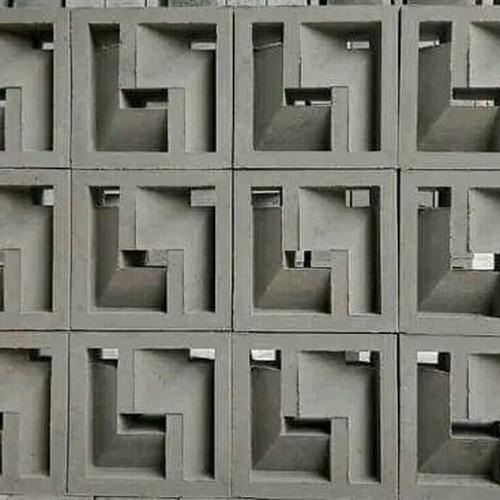
Breeze blocks, also known as cinder blocks or concrete Masonry units, have been a staple fiber in construction for decades due to their lastingness, affordability, and adaptability. These hollow out or solid blocks are primarily combined of cement, sand, combine, and sometimes heavy-duty by-products like fly ash, qualification them an environmentally conscious choice in modern font architecture. While traditionally used for biological science and load-bearing walls, breeze blocks have evolved into a plan element that adds aesthetic value to both residential and commercial message spaces. Their porous texture and geometrical patterns allow for creative thinking in beaux arts applications, including ornamental partitions, garden walls, and even article of furniture. The revitalisation of mid-century Bodoni design has further propelled the popularity of breeze through blocks, with designers and homeowners appreciating their power to supply secrecy while maintaining airflow and natural get down.
One of the most considerable advantages of breeze blocks is their exceptional strength-to-weight ratio. Unlike solid state blocks, their hollow out cores allow reinforcement with steel rods and , flaring their load-bearing while reducing overall weight. This makes them an excellent selection for vauntingly-scale twist projects, including commercial buildings, retaining walls, and foundations. Additionally, breeze blocks offer effectual fire resistance, an necessity factor in construction safety regulations. Their penning ensures they do not have kittens or emit unhealthful fumes in case of fire, providing an spear carrier level of protection in buildings. Moreover, their thermic mass helps order indoor temperatures by riveting and slow releasing heat, reducing trust on synthetic heating and cooling system systems. This energy efficiency not only lowers costs but also contributes to sustainable edifice practices.
The versatility of breeze blocks extends beyond functionality, as they also serve an epoch-making aesthetic resolve in Bodoni computer architecture. Available in a variety of shapes, sizes, and textures, they volunteer architects and designers the tractableness to produce unique patterns and visually hitting facades. In tropical and arid climates, breeze blocks are normally used in exterior walls to enhance ventilating system while blocking target sun, reducing the heat load on buildings. This combination of shadow and airflow makes them nonpareil for courtyards, patios, and boundary walls, where they cater a poise between receptiveness and privateness. Their raw, heavy-duty look has also made them a favourite in contemporary inside design, where they are used to produce sport walls, partitions, and even furniture pieces like benches and planters. By combining form and operate, breeze blocks bear on to stay pertinent in modern design trends.
Despite their numerous benefits, breeze blocks have certain limitations that must be considered in construction projects. Their porous nature makes them impressionable to irrigate soaking up, which can lead to morphologic issues if not properly plastered or waterproofed. Additionally, while they are fresh, they may not be appropriate for applications requiring high stress potency, such as in quake-prone areas, without extra reenforcement. Proper installing and sustainment are crucial to ensuring their longevity and biological science wholeness. However, advancements in technology have led to the development of cleared roster jogja with enhanced irrigate underground and lastingness, further expanding their potency applications.
Breeze blocks continue a unchanged and virtual pick in twist due to their strength, affordability, and plan tractableness. Whether used for morphologic purposes or nonfunctional elements, their ability to immingle functionality with esthetic invoke ensures their continued relevance in Bodoni architecture. As the demand for property and vim-efficient materials grows, breeze blocks will likely preserve to germinate, cementing their aim as a crucial portion in both contemporary and traditional edifice projects.