

A leaking metal roof can be frustrating because the visible drip inside your home is not always close to the actual source of the problem. Water can travel along panels, seams, fasteners, and underlayment before entering the building. This makes accurate diagnosis just as important as the repair itself. 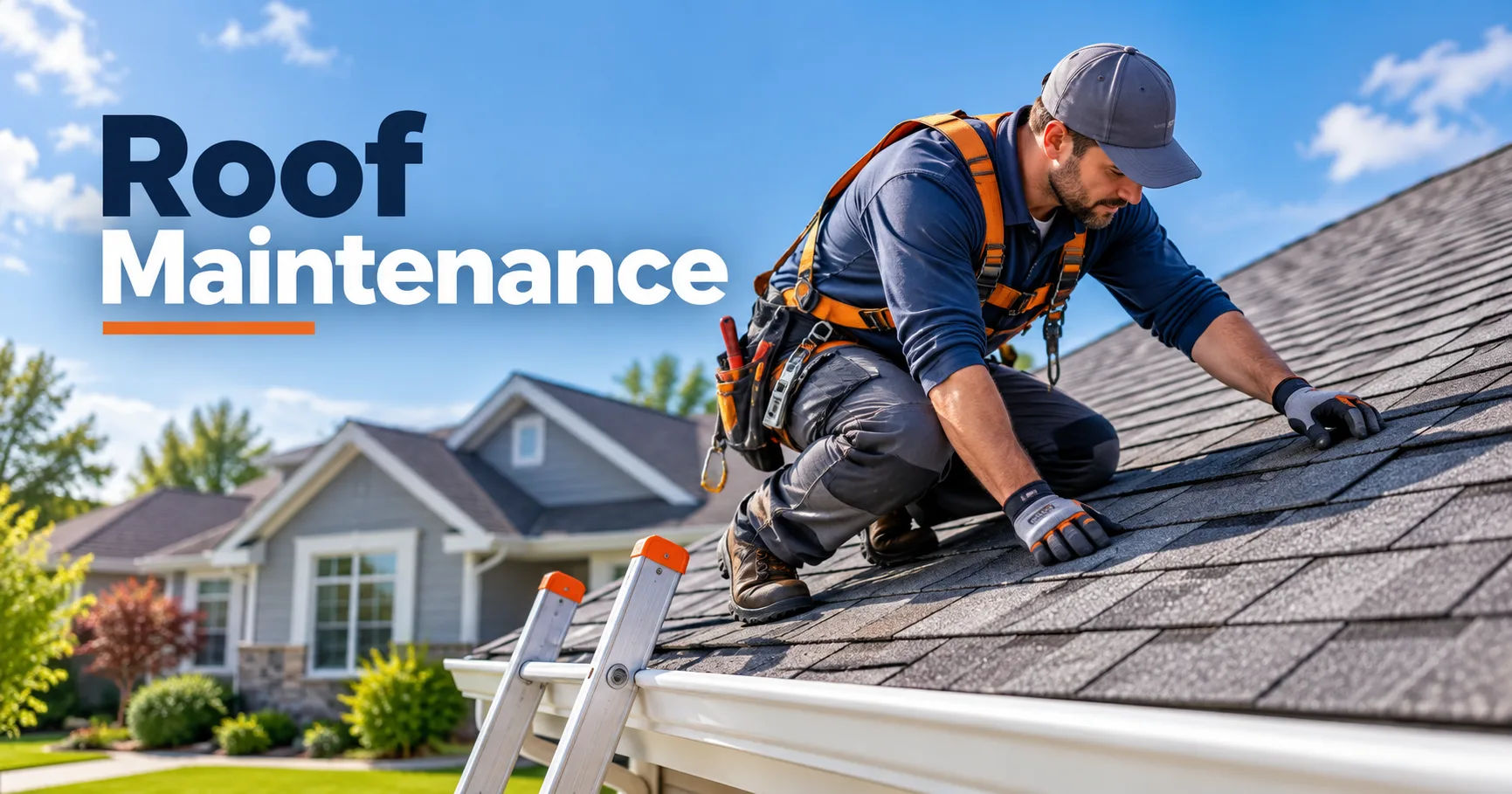 Many homeowners wonder whether roof leak repair near me services can handle metal roofing or whether they need to find a contractor who specializes exclusively in metal roofs.
In most cases, an experienced roofing professional can inspect and repair metal roofing systems, provided they understand the specific materials, fasteners, seams, coatings, and installation methods involved.
Metal roofs are durable, but they are not completely immune to leaks. Age, severe weather, loose fasteners, failed sealants, corrosion, damaged flashing, and expansion and contraction can all create openings where water can enter. The right repair depends on identifying the exact failure rather than simply covering the visible hole.
Can Roof Leak Repair Services Work on Metal Roofs?
Yes, many roof leak repair contractors can repair metal roofs. However, experience with metal roofing matters.
Metal roofing behaves differently from asphalt shingles, tile, or other common roofing materials. Metal panels expand and contract as temperatures change. Fasteners must be installed correctly, seams need proper attention, and repairs must account for the type of metal being used.
A contractor who regularly works on metal roofs will generally understand these differences. They can inspect the roof, identify the source of the leak, determine whether the damage is localized, and recommend an appropriate repair.
When searching for roof leak repair near me, homeowners should therefore ask specifically whether the company has experience repairing metal roofing systems.
Why Metal Roof Repairs Are Different
Metal roofs often consist of large panels connected through seams, fasteners, clips, flashing, or other components. A failure in one area can allow water to move underneath the panels.
For example, a small gap around a fastener may appear insignificant from the ground. During heavy rain, however, water can enter through that opening and travel before reaching the interior ceiling.
A repair that only addresses the interior stain does not solve the roofing problem. The exterior source must be found and corrected.
Metal Roofs Can Have Different Designs
Not every metal roof is constructed in the same way.
Some use exposed fasteners, while others have concealed fastening systems. Standing-seam roofs have different repair requirements from corrugated or ribbed metal panels.
The material can also vary. Steel, aluminum, zinc, and other metals may require different repair approaches.
This is why a professional inspection should come before deciding what repair material or technique to use.
Common Causes of Leaks in Metal Roofs
Understanding common failure points can make it easier to recognize why a metal roof is leaking.
Loose or Failed Fasteners
Exposed fasteners are common on certain metal roofing systems. Over time, fasteners can loosen because of thermal movement, vibration, weather exposure, or deterioration of the surrounding materials.
The washer beneath a fastener can also deteriorate. Once the seal around the fastener fails, water may enter.
A contractor may need to replace damaged fasteners, washers, or related sealing materials rather than simply applying a layer of sealant over the problem.
Damaged Seams
Metal panels are often joined at seams. If a seam separates, becomes damaged, or loses its seal, water can enter beneath the panels.
Standing-seam roofs can be particularly sensitive to problems involving seams, clips, penetrations, and flashing.
A professional roof leak repair near me provider should inspect these areas carefully rather than assuming that the nearest visible defect is the entire problem.
Failed Flashing
Flashing protects areas where the roof meets walls, chimneys, vents, skylights, and other structures.
Metal roofs have flashing just like other roofing systems, and flashing can deteriorate or become damaged.
A poorly sealed transition can create a leak that appears several feet away from the actual failure point.
Corrosion and Rust
Steel roofing can develop corrosion when its protective coating becomes damaged or when moisture remains against exposed metal.
Small areas of surface corrosion may be treatable, depending on their condition. More advanced corrosion can weaken the panel and create holes.
Once the metal itself has deteriorated significantly, patching may only be a temporary solution. Panel replacement may become necessary.
Roof Penetrations
Every penetration creates a potential weak point.
Plumbing vents, exhaust systems, satellite equipment, HVAC components, skylights, and other installations can interrupt the roof surface.
The seals around these penetrations can deteriorate over time. Improperly installed equipment can also damage the roofing system.
How Does a Roof Leak Repair Professional Diagnose a Metal Roof?
Finding a metal roof leak requires more than looking for an obvious hole.
A professional usually begins with a visual inspection. They may examine the panels, seams, fasteners, flashing, penetrations, gutters, roof edges, and areas where different materials meet.
Interior evidence can also provide useful clues.
Water stains, peeling paint, damp insulation, damaged drywall, or mold-like growth may indicate that water has entered the building. However, the interior location does not necessarily identify the exterior source.
Inspecting the Roof Surface
The contractor may look for damaged panels, open seams, missing fasteners, rust, dents, punctures, and failed coatings.
Storm damage deserves particular attention.
Hail, falling branches, strong winds, and debris can damage metal roofing even when the roof still looks relatively intact from the ground.
Checking Sealants
Sealants around seams, penetrations, flashing, and fasteners can deteriorate with age.
Aged sealant may crack, shrink, separate from the surface, or lose flexibility.
Replacing failed sealant can sometimes resolve a localized leak, but the contractor should first determine why the seal failed.
Looking for Water Trails
Water does not always travel vertically.
It can move underneath panels or along structural components before entering the building.
That is why experienced roof leak repair near me professionals often inspect a larger area than the location of the interior stain.
Can a Small Metal Roof Leak Be Repaired Without Replacing the Roof?
Often, yes.
A localized leak does not automatically mean the entire metal roof needs replacement.
If the panels remain structurally sound and the damage is limited to a fastener, seam, flashing detail, or small puncture, a targeted repair may be possible.
The exact solution depends on the condition of the surrounding material.
For example, replacing a damaged fastener may be appropriate when the panel itself is still in good condition. A small puncture might be repaired with a compatible patch system designed for metal roofing.
However, repairs should not be based solely on cost or convenience. Covering a deteriorated area without addressing the underlying condition can allow the leak to return.
When Does a Metal Roof Need More Extensive Repairs?
Some situations require more than a simple patch.
If multiple panels are severely corroded, numerous seams are failing, or the roof has widespread storm damage, the contractor may recommend larger-scale work.
Repeated leaks can also indicate that the roofing system has reached a point where individual repairs are no longer the most practical approach.
Extensive Corrosion
When corrosion has weakened large sections of metal, replacing isolated spots may not provide a durable solution.
The contractor should assess whether the surrounding panels are still structurally reliable.
Widespread Fastener Problems
A roof with numerous loose or deteriorated fasteners may require systematic repairs rather than addressing only the one currently leaking.
Otherwise, additional leaks could appear later.
Significant Storm Damage
Severe storms can dent panels, damage seams, dislodge flashing, and affect roof accessories.
In these situations, a thorough inspection can determine whether repairs are sufficient or whether certain sections need replacement.
What Should You Ask Roof Leak Repair Contractors?
Not every roofing contractor has the same level of experience with metal systems.
Before hiring someone, ask direct questions about the proposed work.
Ask whether they regularly repair metal roofs and what types of metal roofing they have worked on.
You can also ask how they intend to locate the leak, what they believe caused it, and whether they expect to replace any panels or fasteners.
A professional should be able to explain the problem in understandable language.
Ask About the Repair Method
A contractor should be able to describe what will be repaired.
If they recommend sealant, ask where it will be applied and why. If they recommend replacing panels, ask what condition requires replacement.
This helps you understand whether the repair addresses the source of the problem or merely hides visible symptoms.
Ask Whether They Inspect the Surrounding Area
A leak can have more than one contributing factor.
For example, a failed flashing detail and deteriorated fastener may exist in the same area.
An inspection of the surrounding roofing system can reduce the chance of overlooking another entry point.
Is Metal Roof Leak Repair Expensive?
The cost varies significantly.
A simple repair involving one fastener or a small damaged section can be much less expensive than replacing several panels or repairing extensive corrosion.
The type of metal roof also affects the work required.
Accessibility, roof pitch, labor, damage severity, materials, and the location of the leak can all influence the final price.
Homeowners should be cautious about choosing a contractor solely because they offer the lowest initial estimate. A cheap repair that fails repeatedly can become more expensive over time.
Instead, compare what each estimate actually includes.
Can You Repair a Metal Roof Yourself?
Some homeowners may be tempted to repair a small leak themselves.
However, working on a roof presents fall hazards, and metal roofing can become especially slippery when wet.
There is also a risk of damaging the panels while attempting an inexperienced repair.
Another issue is compatibility.
Using the wrong sealant, fastener, patch, or coating can create additional problems. Some materials may react poorly with the existing metal or fail when exposed to continuous thermal movement.
For these reasons, professional assistance is generally appropriate when the leak source is uncertain or the repair involves climbing onto the roof.
How Long Can a Metal Roof Repair Last?
There is no single lifespan for every repair.
The durability depends on the original cause of the leak, the condition of the roof, the repair materials, installation quality, and ongoing weather exposure.
A properly completed repair on a healthy roof can remain effective for a long time.
On the other hand, applying a temporary seal over a deteriorating seam may only delay the problem.
This distinction is important when discussing repairs with roof leak repair near me providers. Ask whether the proposed work is intended as a temporary measure or a long-term repair.
How to Prevent Future Metal Roof Leaks
Preventive maintenance can reduce the likelihood of serious leaks.
Regularly inspect the roof for obvious damage, especially after major storms.
Keep gutters and drainage systems clear so water does not remain around roof edges or other vulnerable areas.
Pay attention to signs such as rust, missing fasteners, cracked sealant, damaged flashing, and interior water stains.
Avoid attaching new equipment to the roof without considering how the installation will affect the roofing system.
Schedule Periodic Professional Inspections
Professional inspections can identify developing problems before they become interior leaks.
This is particularly useful for older metal roofs.
A contractor can check fasteners, seams, flashing, penetrations, coatings, drainage, and visible signs of corrosion.
Finding a small issue early is generally easier than dealing with water damage inside the building later.
What If the Leak Appears During Heavy Rain?
If water begins entering the building during a storm, focus first on protecting the interior.
Move furniture and electronics away from the affected area. Place containers beneath active drips and watch for signs of water accumulating near electrical fixtures.
Do not climb onto the roof during severe weather.
Once conditions are safe, contact a professional roof leak repair near me service for an inspection.
Emergency measures may sometimes reduce further water intrusion, but the permanent repair should be based on an inspection of the roofing system.
When Should You Consider Replacing the Metal Roof?
Repair is not always the best long-term solution.
If the roof has extensive corrosion, repeated failures, widespread panel damage, or serious deterioration, replacement may eventually make more sense.
Age alone does not necessarily mean a metal roof must be replaced. A well-maintained system can remain useful for many years.
The important issue is its overall condition.
A reputable contractor should explain whether the damage appears localized or widespread and distinguish between necessary repairs and optional improvements.
Conclusion
Metal roofs can absolutely be repaired, but the quality of the repair depends heavily on proper diagnosis and knowledge of metal roofing systems. A leak may come from a loose fastener, failed sealant, damaged seam, corroded panel, flashing problem, or roof penetration. The visible water stain inside the building is often only the end point of a much larger path.
When looking for roof leak repair near me, it is worth confirming that the contractor has experience with metal roofing specifically. Metal panels expand and contract, different systems use different fastening methods, and repair materials need to be compatible with the existing roof.
A small leak does not automatically mean that the entire roof needs to be replaced. If the underlying panels are in good condition, a professional may be able to make a localized repair and restore the affected area. On the other hand, widespread corrosion, repeated leaks, severe storm damage, or deteriorated components may require more extensive work.
The most useful approach is to have the roof properly inspected before deciding what to do. Ask what caused the leak, where the water is entering, what repair method is being recommended, and whether the solution is temporary or intended to last.
A metal roof is a substantial part of a building's protection from weather. Treating a leak promptly can help limit interior water damage and prevent a relatively small roofing problem from developing into a much larger repair project.