

Salons play an important role in helping people maintain healthy-looking skin, improve their appearance, and enjoy professional beauty treatments. As skincare becomes more popular, many salon owners are looking for products that deliver reliable results while meeting their clients' different needs. From facial cleansers and moisturizers to serums and exfoliating treatments, the right products can improve the quality of salon services and build customer trust.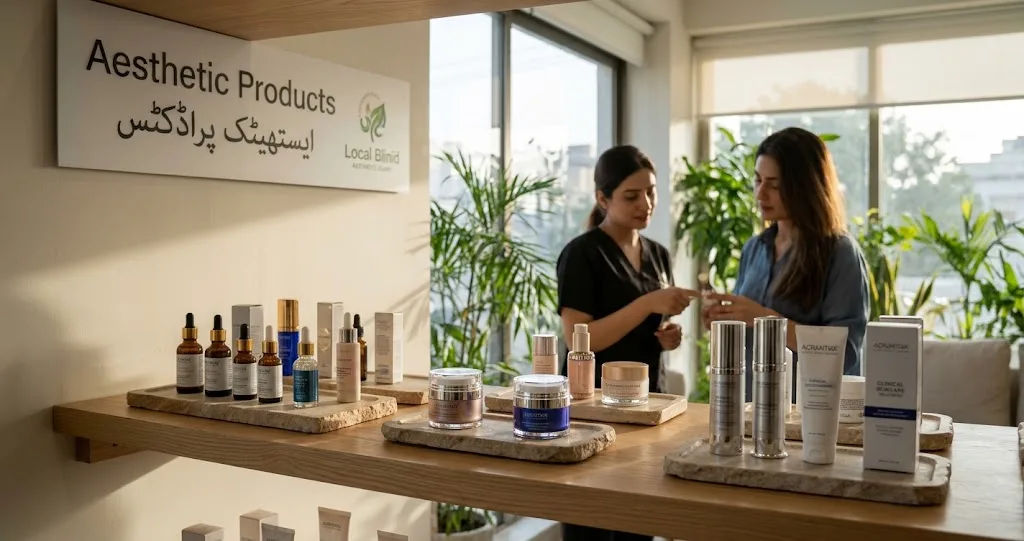
Choosing suitable skincare products, however, requires careful consideration. Salon professionals must understand product ingredients, application methods, skin types, and safety precautions before introducing new treatments. They also need to distinguish between ordinary cosmetic products and professional treatments that may require specialized training or medical supervision.
In this growing beauty market, aesthetic products pakistan has become a relevant search term for salon owners and skincare professionals exploring products for their businesses. These products may support a variety of services, including facials, hydration treatments, cleansing routines, and other cosmetic procedures, depending on their formulation and intended use. Understanding which products are appropriate for salon settings can help professionals make informed purchasing decisions and provide better experiences for their clients.
The simple answer is yes. Salons can use aesthetic skincare products, provided those products are suitable for professional use, obtained from trustworthy suppliers, and applied according to their instructions. However, not every product marketed for aesthetic purposes is appropriate for every salon or treatment.
Aesthetic Products for Salons
aesthetic products pakistan products, salon owners should understand what aesthetic skincare products are and how they differ from ordinary beauty products.
Aesthetic products are designed to improve the appearance or condition of the skin. Depending on their formulation, they may support hydration, cleansing, exfoliation, skin texture, and the appearance of uneven skin tone.
Some are intended for everyday skincare, while others are formulated for professional treatments. The distinction matters because professional products may contain stronger active ingredients or require specific application procedures.
Common Types of Aesthetic Products
Salons may use several categories of aesthetic products as part of their services.
Cleansers: Cleansers remove makeup, excess oil, dirt, and other impurities from the skin. A gentle cleanser is often the first step in a facial treatment.
Moisturizers: Moisturizers help maintain skin hydration and support the skin barrier. They are particularly useful for clients experiencing dryness or tightness.
Serums: Serums contain concentrated ingredients selected for particular skincare goals. Depending on the formulation, they may help improve hydration, support the skin barrier, or reduce the appearance of uneven skin tone.
Exfoliating products: Exfoliants help remove dead skin cells from the skin's surface. Some contain mild acids, while others use physical particles. Their suitability depends on the product, the client's skin, and the professional's training.
Face masks: Masks can provide temporary hydration, absorb excess oil, or leave the skin feeling refreshed. Their effects depend on their ingredients and intended purpose.
Sunscreen: Broad-spectrum sunscreen helps protect skin against ultraviolet radiation. It is especially important when a treatment may increase sensitivity to sunlight.
These products can form part of a salon's skincare collection, but professionals should choose each product according to its intended use rather than its popularity.
Cosmetic Products Versus Medical Treatments
Not all aesthetic products serve the same purpose.
Cosmetic products are generally designed to cleanse, moisturize, protect, or improve the appearance of the skin. Certain treatments, however, involve medical procedures or products that require professional healthcare qualifications.
For example, injectable fillers, prescription medicines, and some intensive skin procedures are not ordinary salon services. Their use may be restricted to appropriately qualified healthcare professionals under applicable laws.
Salon owners should never assume that a product is suitable for their business simply because a supplier advertises it as an aesthetic treatment.
Why Salons May Benefit from Aesthetic Skincare Products
Introducing appropriate skincare products can help salons expand their services and improve the overall customer experience.
However, these benefits depend on product quality, staff knowledge, and responsible application.
Expanding Facial and Skincare Services
Many clients visit salons for more than haircuts, hairstyling, or makeup. They may also want facial cleansing, hydration treatments, and other non-medical skincare services.
Suitable aesthetic products can help salons offer these services in an organized way.
For example, a salon might provide a basic facial involving cleansing, a gentle mask, moisturizing, and sunscreen application. A more specialized facial may incorporate additional products, provided the salon has the appropriate equipment, staff training, and permissions.
Expanding services can help businesses attract clients who prefer receiving several beauty treatments in one location.
Nevertheless, salon owners should introduce new services gradually and ensure that their staff can perform them safely.
Improving the Customer Experience
A good salon experience involves more than the immediate appearance of the skin.
Clients also value comfort, cleanliness, clear communication, and personalized attention.
Using products suited to a client's skin type can make a facial feel more comfortable and help avoid unnecessary irritation. Professionals should explain what each product does and discuss any possible reactions before starting a treatment.
They should also avoid promising guaranteed results. Skincare outcomes vary depending on individual skin conditions, product formulations, and the consistency of home care.
Building Customer Trust
Customers are more likely to trust salons that explain their treatments and maintain transparent product practices.
Salon professionals should be able to identify the products they use, explain their intended purposes, and provide information about relevant precautions.
Displaying original packaging, checking expiry dates, and purchasing from reliable suppliers can strengthen customer confidence.
When a product is unsuitable for a client, a responsible professional should recommend an alternative or decline the treatment rather than risk causing harm.
How to Choose Aesthetic Products for a Salon in Pakistan
Choosing the right products requires more than comparing prices or selecting popular brands.
Salon owners should consider product authenticity, ingredient safety, storage requirements, customer needs, and the level of training required for application.
Buy from Reliable Suppliers
Product authenticity is one of the most important considerations when purchasing professional skincare products.
Counterfeit, improperly stored, or unverified products may contain incorrect ingredients, contaminated formulations, or misleading labels.
Before purchasing, salon owners should investigate the supplier's reputation and request appropriate documentation when necessary.
Useful checks include:
-
Reviewing the manufacturer's details.
-
Checking batch numbers and expiry dates.
-
Inspecting packaging for signs of tampering.
-
Confirming that the product is intended for the proposed use.
-
Requesting invoices and relevant product documentation.
-
Verifying applicable registration or regulatory requirements.
Products should not be purchased solely because they are inexpensive or advertised as professional-grade.
Examine the Ingredients
Understanding ingredients helps professionals choose products that suit different skincare needs.
For example, hyaluronic acid is commonly used to support hydration. Glycerin is a humectant that helps attract and retain moisture in the outer layers of the skin. Niacinamide may support the skin barrier and improve the appearance of uneven skin tone.
Other ingredients require greater care.
Alpha hydroxy acids, beta hydroxy acids, retinoids, and other active ingredients can cause irritation when used incorrectly or in unsuitable combinations.
The concentration, formulation, frequency of application, and condition of the client's skin all affect suitability.
Salon professionals should follow the manufacturer's instructions and avoid combining active products without understanding their potential interactions.
Consider Different Skin Types
Every client's skin is different, so one product may not work equally well for everyone.
Dry skin: Clients with dry skin may benefit from gentle cleansers and moisturizers containing ingredients that support hydration.
Oily skin: Lightweight moisturizers and suitable cleansers may help manage excess oil without unnecessarily stripping the skin.
Sensitive skin: Fragrance-free products with relatively simple formulations may be preferable. Professionals should be particularly cautious with exfoliants and heavily fragranced products.
Combination skin: Clients with both oily and dry areas may need a balanced approach rather than aggressive treatment across the entire face.
Acne-prone skin: Gentle, non-comedogenic products may be helpful. However, persistent, painful, or severe acne may require assessment by a qualified healthcare professional.
A salon should not diagnose medical skin conditions unless its staff are appropriately qualified to do so.
Check Storage Requirements
Even a high-quality product can become unsuitable if it is stored incorrectly.
Heat, direct sunlight, moisture, and contamination may affect product stability.
Salon owners should follow the storage instructions printed on each product. Some formulations may require protection from heat or light, while others need specific temperature conditions.
Products should be kept in clean, organized storage areas away from sinks, direct sunlight, and other sources of contamination.
Staff should also avoid touching product contents with unclean hands or repeatedly using contaminated applicators.
What Services Can Salons Offer Using Aesthetic Products?
The services a salon can provide depend on its facilities, staff qualifications, local requirements, and the products selected.
Many routine cosmetic treatments can incorporate suitable skincare products without requiring invasive procedures.
Basic Hydrating Facials
Hydrating facials are among the more straightforward skincare services a salon may offer.
A typical treatment might include gentle cleansing, a suitable hydrating product, a face mask, and moisturizer.
The objective is to leave the skin feeling comfortable and hydrated.
Professionals should avoid excessive cleansing or aggressive exfoliation, particularly when treating clients with sensitive or irritated skin.
Clients with open wounds, active infections, or unexplained skin reactions should not receive treatments that could worsen their condition.
Cleansing and Skin Refreshing Treatments
Cleansing treatments can help remove surface impurities and prepare the skin for moisturizer.
The products used should be appropriate for the client's skin and the intended service.
Strong exfoliation is not necessary for every facial. In many cases, gentle cleansing and hydration are sufficient to provide a pleasant treatment experience.
Salon professionals should also explain that cleansing cannot permanently shrink pores or remove every form of acne.
Pre-Makeup Skincare
Aesthetic skincare products can also support makeup preparation.
Gentle cleansing and moisturizing may help create a smoother-looking base for makeup application.
The products selected should work well with the client's skin and the makeup products being used.
Heavy or incompatible formulations can cause pilling, excess shine, or an uneven makeup finish.
A salon can improve this service by offering clients simple guidance on preparing their skin before special occasions.
Post-Treatment Skincare
Some clients may want guidance on maintaining their skin after a cosmetic treatment.
For non-invasive services, this may involve gentle cleansing, moisturizer, and sunscreen where appropriate.
However, after stronger exfoliation, chemical peels, microneedling, laser procedures, or other medical treatments, aftercare should follow the instructions of the qualified practitioner responsible for the procedure.
A salon should not independently recommend intensive treatments or active ingredients that may interfere with medical aftercare.
Safety Precautions Every Salon Should Follow
Safety should be central to every skincare service.
Products that work well for one person can cause irritation or allergic reactions in another. Even products marketed as natural or gentle can contain ingredients that some people cannot tolerate.
Perform Appropriate Patch Testing
Patch testing can help identify some potential reactions before a product is applied more widely.
Salon staff should follow the manufacturer's testing instructions when available and explain that a negative result does not guarantee that a reaction will never occur.
If a client develops redness, itching, swelling, burning, or another concerning symptom, the treatment should be stopped and the product removed as appropriate.
Severe swelling, breathing difficulty, or other signs of a serious allergic reaction require emergency medical assistance.
Maintain Hygiene Standards
Cleanliness is essential when performing facial treatments.
Staff should wash their hands before and after services, disinfect reusable equipment appropriately, and use clean towels and applicators.
Single-use items should not be reused.
Products should also be protected from contamination. When possible, pumps or single-use portions can reduce direct contact with product contents.
If a treatment involves equipment that penetrates the skin or creates a risk of infection, additional training, infection-control measures, and applicable professional permissions may be necessary.
Avoid Unsupported Skin Claims
Salon owners should be careful about how they describe their services.
A cosmetic product may improve the appearance of dullness or dryness, but that does not mean it can cure eczema, eliminate scars, or treat every form of acne.
Claims should reflect the product's evidence, intended use, and applicable advertising rules.
Clients should be encouraged to seek medical advice for persistent rashes, unusual pigmentation changes, painful acne, suspected infections, or other concerning symptoms.
Responsible communication protects both customers and the salon's reputation.
Understanding Regulations for Aesthetic Products in Pakistan
Salon owners in Pakistan should consider the legal and regulatory requirements that apply to the products they purchase and the services they provide.
Requirements can vary depending on whether a product is classified as a cosmetic, a therapeutic product, a medical device, or another regulated category.
The intended use and claims associated with a product may affect its classification.
Verify Product Compliance
Before introducing a new product, salon owners should determine whether it complies with the requirements applicable to that product category.
They should verify the manufacturer's or importer's details, labeling, authenticity, and any relevant registration, enlistment, or authorization requirements.
Where applicable, they should consult the relevant Pakistani regulatory authority or a qualified compliance professional.
They should not assume that an imported product is automatically approved for use in Pakistan simply because it is available from an online seller.
Likewise, a supplier's statement that a product is approved should be supported by appropriate documentation.
Understand Professional Licensing Requirements
Offering a basic cosmetic facial is different from performing an invasive or medical aesthetic procedure.
Salon owners should verify local business requirements and ensure that staff have the qualifications needed for the services they provide.
Procedures involving injections, prescription products, medical devices, or other regulated interventions may be restricted to appropriately qualified professionals.
If a proposed treatment falls outside the salon's permitted scope, the business should not offer it merely because a supplier provides the necessary product.
Keep Records and Documentation
Maintaining clear records helps salons manage product safety and business operations.
Useful records may include purchase invoices, supplier information, batch numbers, expiry dates, product instructions, and staff training documentation.
For professional services, salons may also maintain appropriate client consultation and consent records, subject to applicable privacy requirements.
These practices can make it easier to identify a product if a safety concern arises and demonstrate that the business takes responsible precautions.
How Much Should Salons Spend on Aesthetic Products?
The cost of building a professional skincare collection depends on the salon's size, services, customer base, and supplier arrangements.
There is no single budget that suits every business.
A small salon offering basic facials may need only a carefully selected collection of cleansers, moisturizers, masks, and other essential products.
A larger salon providing a wider range of cosmetic services may require additional products, specialized equipment, staff training, and more extensive storage facilities.
Start with Essential Products
New salon owners should avoid purchasing large quantities of unfamiliar products before understanding customer demand.
A practical starting collection may include:
-
A gentle cleanser suitable for the intended clients.
-
A basic moisturizer.
-
A suitable hydrating mask.
-
A few carefully selected treatment products.
-
Broad-spectrum sunscreen.
-
Clean applicators and disposable supplies.
The precise selection should reflect the salon's services and the manufacturer's instructions.
Starting with fewer products also makes it easier to track customer feedback, monitor expiry dates, and identify products that are worth repurchasing.
Calculate the Cost Per Treatment
The purchase price alone does not determine whether a product is economical.
Salon owners should calculate how much product is used during each service and include other expenses, such as disposable supplies, staff time, utilities, and equipment maintenance.
For example, a product that costs more per container may provide more treatments because each application requires a smaller amount.
By calculating the approximate cost per treatment, a salon can set prices more realistically while maintaining appropriate quality standards.
Avoid Cheap Products of Uncertain Origin
Low prices can be attractive, especially for businesses operating on limited budgets.
However, buying unverified products may expose a salon to financial losses, customer complaints, or potential safety problems.
A better strategy is to compare legitimate suppliers, request suitable documentation, and purchase quantities that the business can use before expiry.
Quality, authenticity, and suitability should remain more important than the lowest advertised price.
How to Introduce Aesthetic Products Successfully
Adding a new skincare range requires planning rather than simply placing products on a shelf.
Salon owners should introduce products in a way that supports staff confidence and customer satisfaction.
Train Staff Before Launching Services
Staff should understand the purpose of each product, its recommended application method, relevant precautions, and any contraindications identified by the manufacturer.
Training should also cover hygiene, client consultation, product storage, and appropriate responses to irritation.
Employees should know when a treatment is outside their competence and when a client should be referred to a qualified healthcare professional.
Explain Treatments Clearly to Clients
Before a facial, professionals should ask about relevant allergies, known sensitivities, current skincare products, and recent cosmetic procedures.
They should explain the proposed treatment, identify important precautions, and obtain informed consent where appropriate.
Clients should also be given realistic expectations about the results.
Clear communication helps prevent misunderstandings and makes it easier for customers to decide whether a service suits their needs.
Collect Feedback and Review Results
Customer feedback can help salons identify which services are comfortable, popular, and commercially worthwhile.
However, a positive review does not prove that a product is suitable for every client.
Salon owners should monitor complaints, reactions, and recurring concerns. If a product appears to cause problems, they should suspend its use while investigating the issue.
They should also review product performance, costs, supplier reliability, and expiry dates regularly.
This approach supports continuous improvement without compromising customer safety.
Common Mistakes Salons Should Avoid
Even experienced beauty professionals can make mistakes when introducing new skincare products.
Recognizing common problems can help businesses avoid unnecessary risks.
Choosing Products Only Because They Are Popular
Social media trends can introduce customers to new ingredients and treatments, but popularity does not establish safety or effectiveness.
Salon owners should evaluate a product's formulation, intended use, evidence, and suitability before purchasing it.
Using Too Many Active Ingredients Together
Combining multiple exfoliating acids, retinoids, or other potent ingredients can increase the risk of irritation.
A more complicated treatment is not necessarily a better treatment.
Professionals should follow product instructions and avoid combinations they do not fully understand.
Ignoring Expiry Dates
Expired products may have reduced performance or altered stability.
Salon staff should regularly inspect stock and remove products that have expired or show signs of contamination, separation, unusual odor, or damaged packaging.
Products should never be used simply because throwing them away would create a financial loss.
Promising Guaranteed Results
Skincare outcomes depend on many factors, including the client's skin condition, product formulation, and ongoing care.
Salons should avoid claims that a product will permanently remove wrinkles, cure acne, or produce identical results for every customer.
Honest explanations help create realistic expectations and build long-term relationships.
Conclusion
Salons can use aesthetic skincare products in Pakistan to support a variety of non-invasive beauty services, including cleansing, hydration, facial masks, and makeup preparation. The key is to select products that are suitable for professional use, obtain them from reliable suppliers, and apply them according to their intended purpose.
For salon owners exploring aesthetic products pakistan, product selection should begin with quality, authenticity, ingredient awareness, and customer safety. Rather than purchasing every product available on the market, businesses should build a practical collection that matches their services and their clients' needs.
Training is equally important. Staff members should understand how products work, recognize potential reactions, maintain hygiene, and explain treatments clearly. They should also understand the limits of their qualifications and avoid providing medical procedures or making unsupported treatment claims.
Regulatory compliance deserves careful attention as well. Salon owners should verify applicable requirements for their products and services, maintain appropriate records, and seek professional guidance when a treatment falls outside ordinary cosmetic practice.
A successful salon does not need the largest collection of skincare products. It needs the right products, knowledgeable professionals, reliable suppliers, and consistent safety standards.
By combining thoughtful purchasing decisions with honest communication and responsible treatment practices, salons can create better customer experiences, strengthen their reputations, and develop sustainable skincare services. Ultimately, aesthetic products pakistan can be a useful part of a salon's business strategy when product quality, professional competence, and client well-being remain the highest priorities.