

Yes, wall covering Dubai can work very well in offices when the right materials, colors, textures, and designs are selected. Office walls are no longer limited to plain paint. Modern wall coverings can add character to a workplace while also supporting branding, comfort, privacy, and professional presentation.
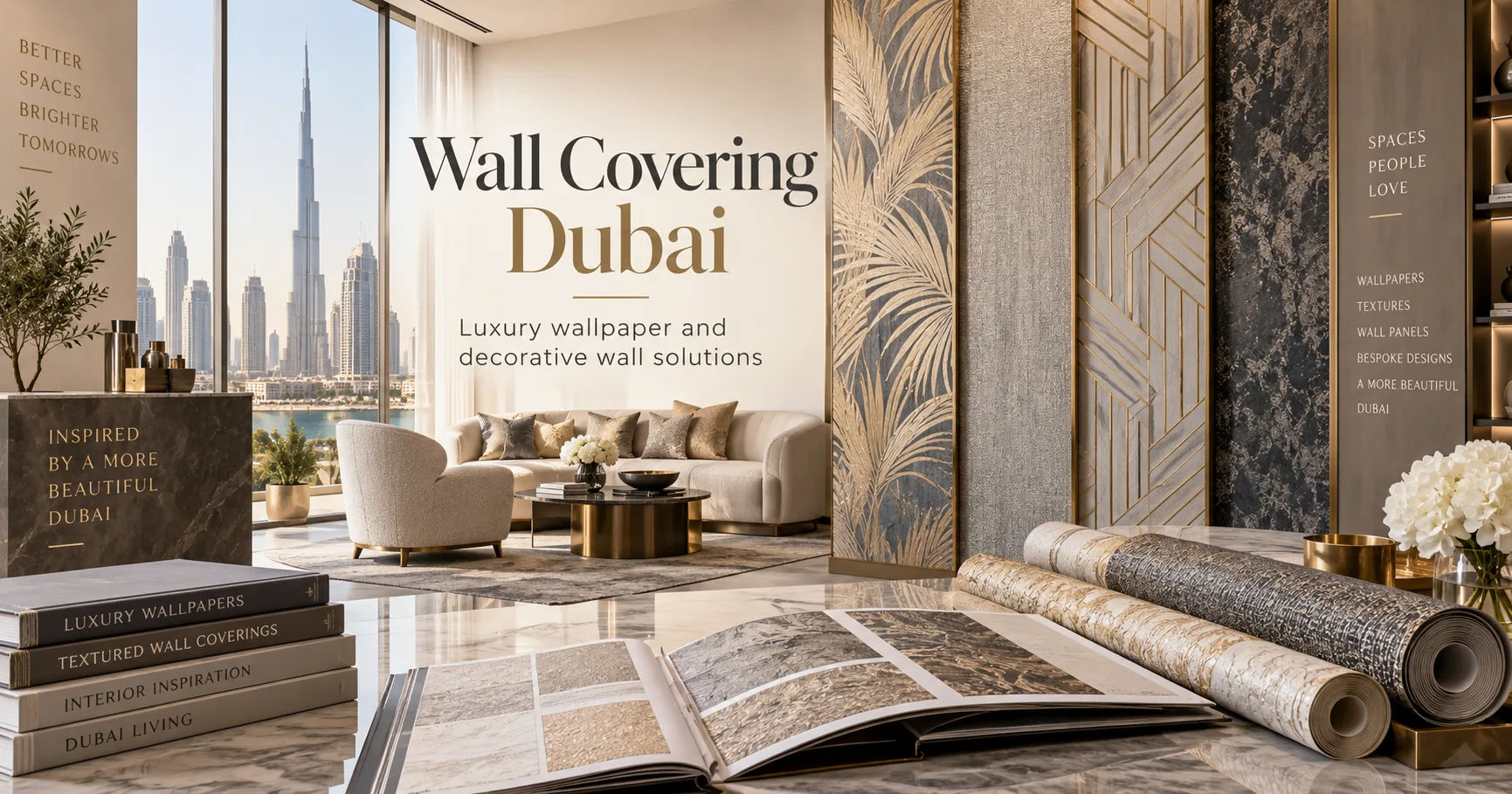
A well-designed office should feel organized and welcoming without becoming distracting. Wall coverings can help create that balance. They are available in many styles, from subtle textured finishes to bold patterns and custom designs.
The key is choosing a wall covering according to the purpose of the room, the amount of traffic, maintenance requirements, and the overall office design. With careful planning, wall coverings can be a practical and attractive option for workplaces in Dubai.
Why Wall Coverings Are Suitable for Offices
Office environments have different design needs from homes. They must look professional while handling regular use. Employees, clients, visitors, and cleaning staff interact with the space every day.
Wall coverings can provide a more finished appearance than ordinary painted walls. They can also introduce texture and visual depth without requiring major structural changes.
Creating a Professional Appearance
First impressions matter in an office. Reception areas, meeting rooms, executive offices, and client-facing spaces should reflect the company's identity.
A carefully selected wall covering can make these areas look polished and coordinated. Neutral textures can create a sophisticated atmosphere, while carefully chosen patterns can add personality.
The design should match the company's industry. A law office may benefit from understated textures and classic colors, while a creative agency may have more freedom to use contemporary patterns.
Supporting Office Branding
Walls can also become part of a company's branding strategy. Colors, patterns, logos, and custom graphics can be incorporated into selected areas.
For example, a company could use a branded feature wall behind the reception desk. This creates a clear visual connection between the physical office and the company's identity.
However, branding does not need to cover every wall. Using one or two strategic areas can create a stronger effect without making the office feel overly promotional.
Types of Wall Coverings for Office Spaces
There is no single type of wall covering suitable for every office. Different materials offer different appearances, durability levels, and maintenance requirements.
Vinyl Wall Coverings
Vinyl is a popular choice for commercial environments because it can be relatively durable and easy to maintain.
It may be suitable for corridors, waiting areas, reception spaces, and other locations that experience frequent activity. Some vinyl products are also available in designs that imitate natural materials such as stone, wood, or fabric.
The specific performance of a product depends on its construction and manufacturer's specifications, so commercial-grade options should be considered for busy offices.
Fabric Wall Coverings
Fabric wall coverings can create a softer and warmer appearance. They are often considered for executive offices, meeting rooms, lounges, and hospitality-inspired workspaces.
Some fabric-based products may also contribute to acoustic comfort, depending on their construction and installation system.
They require appropriate maintenance because fabric surfaces can respond differently to dust and stains than smooth vinyl or other washable materials.
Textured Wall Coverings
Textured designs can give plain office walls more visual depth. Subtle textures are especially useful when the goal is to create an elegant environment without introducing strong patterns.
Textures can resemble linen, concrete, wood grain, stone, or other surfaces. This makes it possible to achieve a particular design style without using the actual material.
Custom Printed Wall Coverings
Businesses that want something unique can consider digitally printed wall coverings. These can feature company graphics, artwork, photographs, patterns, or other approved designs.
Custom printing can be useful for branding walls, creative spaces, training rooms, and employee areas.
The quality of the final result depends heavily on the artwork resolution, printing technology, material, and installation.
Choosing Wall Coverings for Different Office Areas
Different parts of an office have different requirements. A product that works well in a private office may not be appropriate for a busy corridor.
Reception Areas
The reception area is often the first part of the workplace visitors see. It should therefore create a professional and welcoming impression.
A textured wall covering behind the reception desk can provide a strong focal point. Company colors can also be incorporated in a controlled way.
Avoid extremely complicated patterns if the reception area already contains prominent furniture, signage, lighting, or artwork.
Meeting Rooms
Meeting rooms should support concentration and communication. Wall coverings with subtle textures or neutral designs can create an appropriate backdrop for discussions.
A feature wall can be used behind a conference table or presentation screen. However, highly detailed patterns may become distracting during video meetings.
The position of cameras and lighting should be considered before installation.
Private Offices
Private offices provide more flexibility. The wall design can reflect the personality of the occupant while remaining consistent with the company's overall appearance.
Neutral shades, wood-inspired textures, and fabric effects can create a comfortable professional environment.
Corridors and High-Traffic Areas
Corridors can experience more contact than other areas. People may accidentally touch or bump against walls while moving furniture or equipment.
For these locations, durability and cleanability should be major considerations. Commercial-grade materials may be more suitable than delicate decorative products.
Employee Break Rooms
Break rooms can have a more relaxed design. Colors and patterns can be slightly more playful while still matching the office environment.
A suitable wall covering can help separate the break area visually from work-focused spaces.
How Wall Coverings Can Improve Office Design
Wall coverings do more than change color. They can influence how a space feels and how different areas relate to one another.
Adding Texture and Depth
Paint creates a relatively uniform surface. Wall coverings can introduce patterns and textures that make walls more visually interesting.
A subtle textured finish can add depth without overwhelming the room. This can be especially useful in offices with simple furniture and minimal decoration.
Creating Feature Walls
Not every wall needs to be covered. A feature wall can provide a focal point while keeping the rest of the office understated.
This approach can also reduce material use and make a distinctive design more affordable.
A wall covering Dubai feature wall behind a reception desk, conference table, or lounge seating can often make a strong visual impact.
Improving Visual Zoning
Large offices can sometimes feel like one continuous space. Different wall treatments can help visually define areas.
For example, a meeting zone could use one texture while a lounge area uses another. The designs should still share some common elements so that the office feels connected.
Important Factors to Consider in Dubai
Office environments in Dubai can have demanding practical requirements. The material should therefore be selected for the actual conditions of the workplace.
Heat and Indoor Climate
Dubai has a hot climate, while offices generally rely heavily on air conditioning. Interior materials can therefore experience changes in temperature and humidity between indoor and outdoor environments.
Good installation practices and appropriate products are important. The manufacturer's recommendations should be followed regarding storage, application, temperature, and adhesive selection.
Maintenance
An office needs to remain presentable. Dust, fingerprints, accidental marks, and everyday wear can affect wall surfaces.
Before selecting a product, check its cleaning instructions. Some materials can tolerate gentle cleaning, while others require more careful treatment.
Choosing a finish based on the maintenance routine can help preserve its appearance for longer.
Durability
A beautiful wall covering is not necessarily suitable for a commercial environment.
Consider how much traffic the area receives and whether furniture frequently comes into contact with the walls. Higher-traffic locations generally require materials designed for commercial use.
Fire and Building Requirements
Commercial interiors may be subject to fire-safety and building requirements. The appropriate standards can depend on the building, location, material, and intended application.
Businesses should confirm relevant requirements with qualified professionals, building management, and the product supplier before installation.
Does Wall Covering Require Professional Installation?
Professional installation can make a significant difference to the final appearance.
Even a high-quality product can look poor if the wall is not prepared correctly or the material is installed unevenly.
Preparing the Walls
Walls should generally be clean, dry, smooth, and properly prepared before installation. Cracks, holes, uneven surfaces, old adhesive, or moisture problems may need to be addressed first.
Ignoring wall preparation can lead to visible imperfections after the covering is installed.
Accurate Measuring
Measurements should account for wall dimensions, doors, windows, corners, electrical outlets, and other obstacles.
Proper planning also helps reduce unnecessary material waste.
Matching Patterns
Patterned materials require careful alignment. If the design does not line up correctly between sections, the finished wall may look uneven.
Professional installers understand how to position and match the material to achieve a more consistent result.
How to Choose the Right Design
The best office design is not necessarily the most dramatic one. It should support the atmosphere the company wants to create.
Consider Company Identity
Look at existing brand colors, furniture, flooring, lighting, and signage.
The wall covering should complement these elements rather than compete with them.
Think About Employees
Employees spend much more time in the workplace than most visitors. A design that looks impressive for a few minutes may become tiring if it is visually overwhelming.
Balanced colors and subtle patterns can often create a comfortable long-term environment.
Consider Natural and Artificial Lighting
A wall covering can look different depending on lighting conditions. Glossy surfaces may reflect light, while dark colors can make a room appear smaller.
Requesting samples and viewing them under the actual office lighting can help avoid unwanted surprises.
Cost Considerations
The total cost of an office wall covering project involves more than the price of the material.
Material quality, wall preparation, installation, design complexity, custom printing, project size, and maintenance requirements can all affect the final cost.
A low-cost material may not necessarily be the most economical choice if it needs frequent replacement.
On the other hand, an expensive decorative product may not be necessary for a corridor or storage area.
A practical approach is to divide the office into zones and select materials according to the demands of each space.
Common Mistakes to Avoid
One common mistake is selecting a design based only on appearance. Office walls need to function well as part of a working environment.
Another mistake is using residential-grade products in high-traffic commercial areas. Commercial spaces may require stronger and more maintainable materials.
Poor wall preparation is another problem. Uneven surfaces can remain visible through some wall coverings.
It is also important not to ignore lighting. A color that looks attractive in a showroom can appear considerably different under office lighting.
Finally, businesses should avoid covering every wall with a strong pattern. Combining feature walls with simpler surfaces often creates a more balanced interior.
Is Wall Covering a Good Long-Term Office Option?
It can be, provided the product is selected and installed according to the requirements of the space.
Durability, maintenance, design flexibility, and installation quality all influence how long an office wall covering remains attractive.
Businesses should also think about future changes. If the office may be renovated frequently, flexible and relatively easy-to-update designs may be more practical.
For a long-term installation, choosing a timeless texture or subtle pattern can reduce the risk of the design quickly becoming outdated.
Conclusion
Wall covering Dubai can be an effective solution for modern offices when design and practical requirements are considered together. It can transform plain walls, strengthen branding, create visual zones, and give reception areas and meeting rooms a more finished appearance.
The right choice depends on the specific office. Reception areas may benefit from a branded feature wall, while corridors may need durable and easy-to-maintain materials. Meeting rooms can use subtle textures, and employee spaces can accommodate more relaxed designs.
Material quality, wall preparation, professional installation, lighting, maintenance, durability, and applicable building requirements should all be considered before starting a project.
Rather than choosing a wall covering simply because it looks attractive, businesses should consider how it will perform in everyday office conditions. A thoughtful combination of style and functionality can create a workplace that looks professional while remaining comfortable and practical for employees and visitors.