

Migraines are more than just headaches—they are severe neurological episodes that can disrupt daily life. Many people suffer from migraines and search for effective treatments that provide quick relief. One emerging treatment is hydration IV drip therapy treatment, which is gaining attention for its potential to ease migraine symptoms rapidly.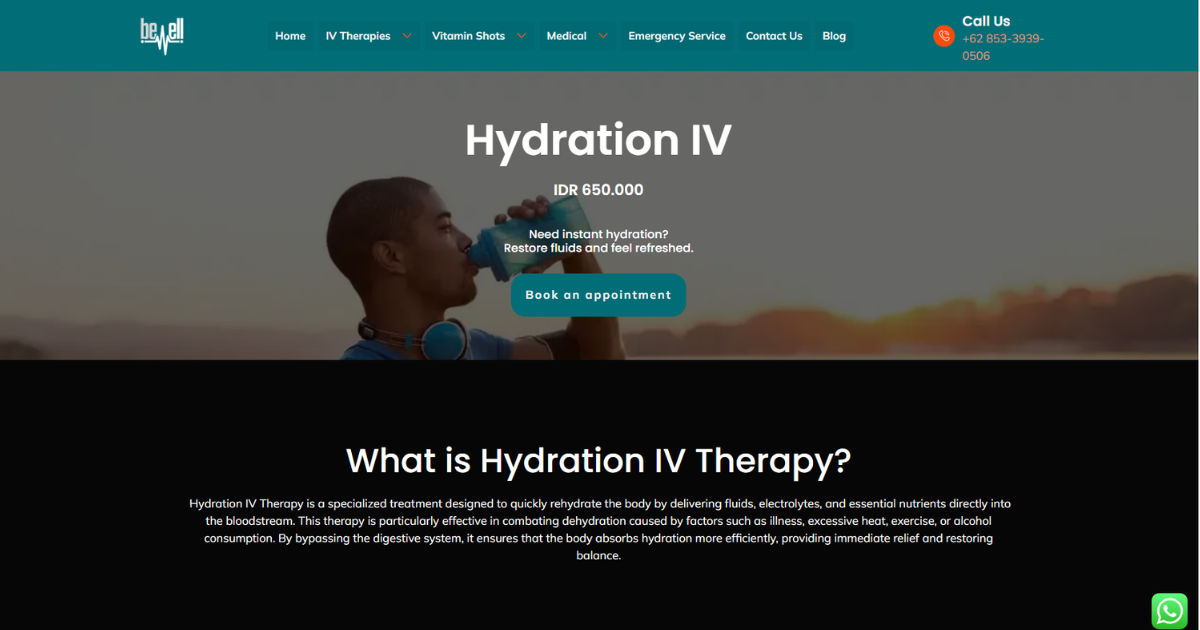
Hydration IV drip therapy treatment involves delivering fluids, electrolytes, and sometimes vitamins directly into the bloodstream through an intravenous (IV) line.
This method allows the body to absorb hydration and nutrients much faster than drinking water or taking oral supplements. For migraine sufferers, this rapid rehydration and nutrient delivery can be particularly beneficial.
In this guide, we will explore what migraines are, how hydration IV drip therapy treatment works, its benefits and risks, and whether it is truly effective in managing migraines. We will also discuss practical tips, alternative treatments, and expert opinions.
What Are Migraines?
Migraines are intense headaches often accompanied by symptoms like nausea, vomiting, sensitivity to light, and visual disturbances. They are caused by changes in the brainstem and interactions with the trigeminal nerve, a major pain pathway.
Migraines can be triggered by various factors, including dehydration, stress, hormonal changes, certain foods, and lack of sleep. Understanding the triggers is crucial because addressing them may reduce the frequency and severity of attacks. One key trigger that is often overlooked is dehydration. This is where hydration IV drip therapy treatment comes into play.
How Dehydration Triggers Migraines
Dehydration reduces the brain’s water content, which can affect blood flow and trigger headache pain. Even mild dehydration can worsen migraine intensity. The body loses fluids daily through sweat, urine, and respiration. When fluids are not replenished efficiently, it can lead to migraine onset.
Traditional hydration methods, such as drinking water or sports drinks, may not provide relief fast enough during a migraine episode. Hydration IV drip therapy treatment offers a solution by delivering fluids and electrolytes directly into the bloodstream, bypassing the digestive system and enabling immediate absorption.
What Is Hydration IV Drip Therapy Treatment?
Hydration IV drip therapy treatment is a medical procedure that administers fluids, vitamins, and minerals intravenously. Unlike oral rehydration, IV therapy ensures rapid delivery and absorption.
The IV fluids often contain saline, electrolytes like sodium and potassium, and sometimes B vitamins or magnesium. These components can help restore fluid balance, support nerve function, and relieve migraine symptoms.
Hydration IV drip therapy treatment sessions typically last between 30 minutes to an hour. The procedure is usually painless, although some individuals may feel slight discomfort at the insertion site.
How Hydration IV Drip Therapy Treatment Works for Migraines
The primary goal of hydration IV drip therapy treatment is to rehydrate the body quickly. For migraine sufferers, dehydration can intensify pain. By replenishing fluids and electrolytes, IV therapy can:
- Improve blood circulation to the brain.
- Reduce inflammation that contributes to migraine pain.
- Restore electrolyte balance, which is essential for nerve signaling.
- Provide vitamins that may reduce oxidative stress linked to migraines.
Magnesium, often included in hydration IV drip therapy treatment, has been shown in studies to help relax blood vessels and decrease migraine frequency. Similarly, B vitamins support energy metabolism, which may reduce fatigue associated with migraines.
Benefits of Hydration IV Drip Therapy Treatment for Migraines
Fast Relief
One of the most significant advantages of hydration IV drip therapy treatment is the speed of relief. Oral hydration may take hours to affect migraine symptoms, whereas IV therapy works almost immediately.
Comprehensive Nutrient Delivery
IV drips can include a combination of electrolytes, vitamins, and amino acids tailored to migraine relief. This targeted approach ensures that the body receives nutrients that are often deficient in migraine sufferers.
Reduced Nausea and Vomiting
Migraines often cause gastrointestinal upset. Hydration IV drip therapy treatment bypasses the stomach, making it ideal for individuals who cannot tolerate oral medications or fluids during an attack.
Customizable Treatment
Healthcare providers can adjust the composition of IV fluids based on individual needs. Some patients may benefit more from magnesium-heavy drips, while others may need a focus on vitamin B complex or antioxidants.
Are There Risks Associated With Hydration IV Drip Therapy Treatment?
While hydration IV drip therapy treatment is generally considered safe, it is not completely risk-free. Potential side effects include:
- Mild pain or bruising at the injection site.
- Infection if sterile techniques are not followed.
- Electrolyte imbalance if fluids are administered excessively.
- Rare allergic reactions to components of the IV solution.
It is important to receive IV therapy from licensed healthcare providers to minimize risks. Pregnant women, individuals with kidney or heart conditions, and people on certain medications should consult a doctor before undergoing hydration IV drip therapy treatment.
Scientific Evidence Supporting Hydration IV Drip Therapy Treatment for Migraines
Research on IV hydration therapy specifically for migraines is growing but still limited. Several studies suggest that rapid rehydration can alleviate headache intensity and duration, especially in patients with dehydration-related migraines.
- A study published in the Journal of Headache and Pain reported that IV fluids combined with magnesium sulfate significantly reduced migraine severity in patients visiting emergency departments.
- Other clinical observations indicate that patients receiving hydration IV drip therapy treatment often report faster symptom relief compared to oral hydration.
While more large-scale randomized controlled trials are needed, existing evidence supports the role of hydration in migraine management.
Who Can Benefit From Hydration IV Drip Therapy Treatment?
Hydration IV drip therapy treatment may be particularly beneficial for:
- Individuals with frequent migraines triggered by dehydration.
- Patients who experience nausea or vomiting during migraines and cannot take oral medications.
- People seeking rapid relief in acute migraine attacks.
- Those who want a complementary therapy alongside conventional treatments like pain relievers or triptans.
It is not a replacement for long-term migraine management, but it can serve as an effective adjunct therapy.
What to Expect During a Hydration IV Drip Therapy Treatment Session
Hydration IV drip therapy treatment is usually performed in a clinic or medical spa. The process includes:
- Consultation with a healthcare provider to determine your needs.
- Insertion of a small IV catheter, typically in the arm.
- Administration of fluids, electrolytes, and optional vitamins.
- Monitoring for any side effects during the session.
Most patients feel immediate improvement in hydration and often notice reduced headache intensity. Sessions are generally short, allowing individuals to return to normal activities soon after treatment.
Comparing Hydration IV Drip Therapy Treatment to Traditional Migraine Treatments
Traditional migraine treatments include:
- Over-the-counter pain relievers like ibuprofen or acetaminophen.
- Prescription medications like triptans or CGRP inhibitors.
- Lifestyle changes such as proper sleep, stress management, and avoiding triggers.
Hydration IV drip therapy treatment is not a replacement for these treatments but can complement them. Its main advantage is the speed of action and bypassing the digestive system, making it useful when nausea or vomiting prevents oral medication intake.
Practical Tips for Using Hydration IV Drip Therapy Treatment
- Stay Hydrated Daily: Even with IV therapy, maintaining regular hydration is important to prevent recurrent migraines.
- Track Triggers: Keeping a migraine diary can help identify whether dehydration is a primary factor.
- Consult a Professional: Always discuss IV therapy with a licensed healthcare provider.
- Combine with Other Treatments: Hydration IV drip therapy treatment works best when combined with conventional migraine medications and lifestyle modifications.
Potential Limitations of Hydration IV Drip Therapy Treatment
While promising, hydration IV drip therapy treatment has limitations:
- Relief may be temporary, requiring repeated sessions for chronic sufferers.
- Not all migraines are triggered by dehydration; hormonal or neurological migraines may not respond.
- Cost can be high, especially if IV therapy is used frequently.
- Limited large-scale studies make it difficult to determine long-term effectiveness.
Understanding these limitations is crucial for setting realistic expectations.
Patient Experiences with Hydration IV Drip Therapy Treatment
Many patients report positive outcomes with hydration IV drip therapy treatment:
- Rapid relief within 30-60 minutes.
- Decreased nausea and improved energy levels.
- Fewer missed workdays due to severe migraine attacks.
However, experiences vary, and some individuals notice minimal improvement. Combining IV therapy with a broader migraine management plan usually yields the best results.
Alternatives and Complementary Approaches
For those considering hydration IV drip therapy treatment, it can be combined with other methods:
- Oral Hydration: Drinking water and electrolyte solutions daily.
- Magnesium Supplements: Available in oral or topical forms to reduce migraine frequency.
- Lifestyle Adjustments: Stress reduction, regular sleep, and avoiding trigger foods.
- Prescription Medications: For severe migraines, consult a doctor for appropriate options.
Using multiple approaches often produces better outcomes than relying on a single treatment.
Expert Opinions on Hydration IV Drip Therapy Treatment
Healthcare professionals view hydration IV drip therapy treatment as a useful adjunct therapy rather than a standalone cure. Experts emphasize:
- It is most effective for dehydration-related migraines.
- It should be part of a comprehensive migraine management plan.
- Regular monitoring is important to avoid overhydration or electrolyte imbalances.
Experts also encourage ongoing research to better understand which patients will benefit the most from IV hydration therapy.
How to Choose a Safe IV Therapy Clinic
If considering hydration IV drip therapy treatment, safety is key:
- Ensure the clinic is licensed and employs trained medical professionals.
- Verify the sterility of equipment and IV fluids.
- Ask about the ingredients in the IV drip and whether they are tailored for migraine relief.
- Read patient reviews and ask for references if possible.
Choosing a reputable clinic minimizes risks and maximizes the likelihood of effective treatment.
Conclusion
Migraines can severely impact quality of life, and finding fast, effective relief is essential. Hydration IV drip therapy treatment offers a promising solution, particularly for dehydration-related migraines. By delivering fluids, electrolytes, and vitamins directly into the bloodstream, it can provide rapid symptom relief, improve hydration, and support nerve function.
While not a cure for all types of migraines, IV hydration therapy can complement conventional treatments and lifestyle modifications. Patients should consult healthcare providers to determine if this therapy fits their migraine management plan. Safety, proper administration, and understanding potential limitations are crucial for success.
Overall, hydration IV drip therapy treatment represents an innovative approach to migraine relief, offering hope to those who struggle with frequent, debilitating headaches. Combined with preventive strategies, it can enhance quality of life and reduce the intensity and duration of migraine episodes.