

For small businesses, having a strong online presence is no longer optional. Customers often search online before visiting a store, contacting a company, or making a purchase. Web design services help small businesses create professional, useful, and attractive websites that represent their brand and make it easier for customers to find and trust them.
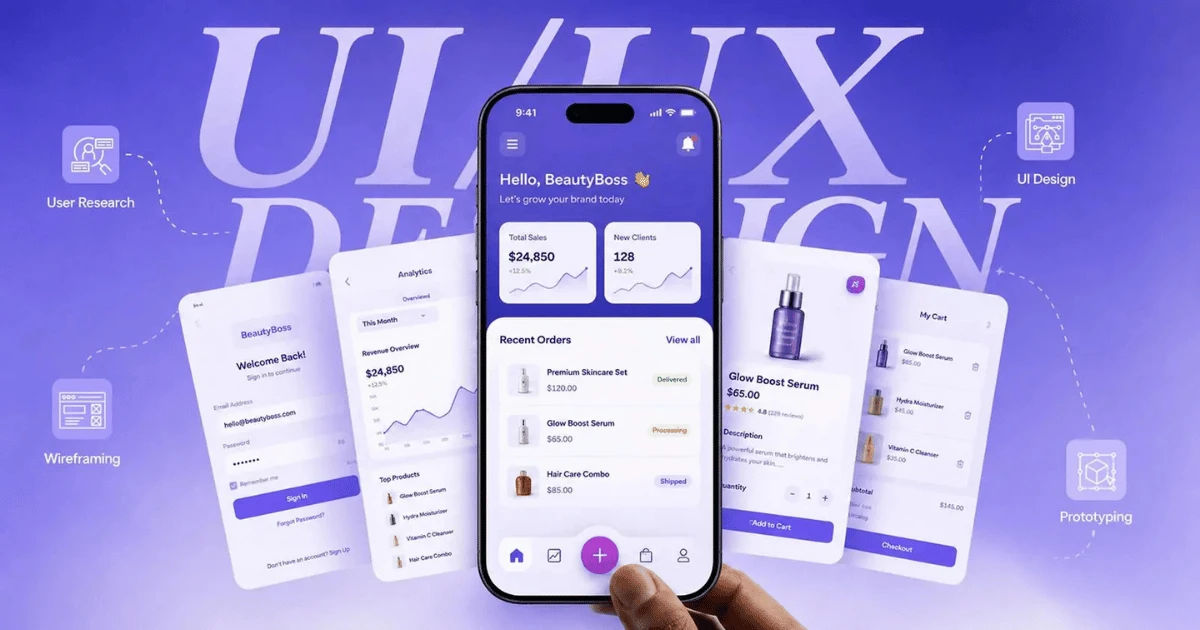
A website can act as a digital storefront that remains available around the clock. It can explain products and services, answer common questions, collect inquiries, accept bookings, and guide visitors toward making a purchase. For a small business with limited resources, a well-planned website can become one of the most valuable marketing assets.
However, simply having a website is not enough. The website needs to be easy to navigate, mobile-friendly, fast, secure, and designed around customer needs. This is where professional design becomes important.
Building a Professional First Impression
A website is often one of the first places where potential customers interact with a business. Within a few seconds, visitors may decide whether a company looks trustworthy and professional.
An outdated or confusing website can create doubt. Visitors may wonder whether the business is reliable, active, or capable of providing quality products and services.
Professional web design services help businesses create websites that make a positive first impression. Designers consider layout, typography, images, colors, spacing, navigation, and branding to create a consistent visual experience.
A professional appearance can help a small business compete with larger companies. Even when a company has a small team, its website can communicate credibility and professionalism.
Creating Consistent Branding
Branding is about more than a logo. It includes the colors, fonts, imagery, tone, and visual style that customers associate with a business.
A website should reflect these elements consistently. When customers see the same style across a website, social media profiles, advertisements, and other marketing materials, the business becomes easier to recognize.
A consistent website design can also make a company appear more established. This can be especially valuable for small businesses trying to build recognition in competitive markets.
Helping Customers Find Information Quickly
People visit business websites because they want information. They may want to know what a company sells, how much a service costs, where the business is located, or how to contact someone.
If this information is difficult to find, visitors may leave the website.
Professional designers organize information in a logical way. Navigation menus, buttons, headings, and page structures help visitors move through the website without unnecessary confusion.
Web design services can also help businesses identify the most important information customers need and place it where it is easy to find.
Improving Website Navigation
Good navigation allows visitors to move from one page to another naturally. Common navigation items might include Home, About, Services, Products, Blog, Contact, and Frequently Asked Questions.
A simple navigation structure is usually more effective than a complicated menu filled with too many choices.
Clear buttons can also guide visitors toward important actions. For example, a service business might use buttons such as “Request a Quote,” “Book an Appointment,” or “Contact Us.”
Making Websites Mobile-Friendly
A large portion of internet users browse websites from smartphones and tablets. A website that looks good on a desktop computer but works poorly on a phone can lose potential customers.
Mobile-friendly design ensures that website content adjusts to different screen sizes. Text should remain readable, buttons should be easy to tap, and images should fit the available space.
Responsive design can improve the overall customer experience because visitors can interact with the website comfortably regardless of the device they use.
For small businesses, mobile usability can be particularly important because customers may search for nearby businesses while they are away from home.
Improving Search Engine Visibility
A professional website can also support a company's search engine optimization strategy. Search engines evaluate many aspects of a website when determining how pages should appear in search results.
Design alone does not guarantee high rankings, but good design practices can support search visibility.
Website structure, page speed, mobile usability, readable content, descriptive page titles, proper headings, and optimized images can all contribute to a better website experience.
Professional web design services can work alongside SEO strategies to create a website that is easier for both visitors and search engines to understand.
Supporting Local Searches
Local businesses often depend on customers in specific cities, neighborhoods, or service areas. Their websites should clearly communicate where they operate.
A business can include its service areas, address, contact information, opening hours, and relevant local content.
When these details are presented clearly, customers can quickly determine whether the company serves their location.
Increasing Customer Trust
Trust is one of the most important factors in online business. Customers are more likely to contact or purchase from a company when they feel confident about it.
A well-designed website can strengthen this confidence by presenting information clearly and professionally.
Businesses can include customer reviews, testimonials, certifications, guarantees, case studies, photographs, company information, and contact details.
Security is also important. An SSL certificate, secure forms, privacy information, and safe payment systems can reassure visitors that their information is being handled responsibly.
Generating More Leads
For many small businesses, the main purpose of a website is not simply to provide information. It is to generate leads.
A lead could be someone who fills out a contact form, requests a quotation, schedules an appointment, calls the business, or signs up for an email list.
Good website design makes these actions simple.
Instead of forcing visitors to search for contact information, businesses can place clear calls to action throughout important pages.
Using Effective Calls to Action
A call to action tells visitors what to do next. Examples include:
-
Get a Free Quote
-
Schedule a Consultation
-
Shop Now
-
Request Information
-
Call Today
-
Book an Appointment
-
Download the Guide
The wording should match the business goal and the visitor's stage in the buying process.
A well-placed call to action can turn a passive website visitor into a potential customer.
Helping Small Businesses Sell Online
E-commerce has made it possible for small businesses to sell products to customers beyond their local areas.
An online store can display products, provide descriptions, show prices, process payments, and manage orders.
Professional web design services can help create shopping experiences that are simple and convenient.
Product pages should contain clear images, useful descriptions, pricing information, shipping details, and other relevant information.
The checkout process should also be straightforward. Too many complicated steps can cause customers to abandon their purchases.
Improving Website Speed
Website speed has a direct effect on user experience. People generally do not want to wait for a slow page to load.
Large images, unnecessary scripts, poor hosting, and inefficient website structures can contribute to slow performance.
Designers and developers can optimize images, reduce unnecessary elements, improve page structure, and use appropriate technologies to help websites load more efficiently.
A faster website can make browsing more pleasant and reduce the chance that visitors leave before seeing the company's offerings.
Reducing Unnecessary Design Elements
A website does not need dozens of animations, graphics, pop-ups, and visual effects to look professional.
Too many elements can make a page distracting and slow.
Effective design focuses on purpose. Every major element should contribute to communication, navigation, branding, or conversion.
Simple design can often provide a better experience than an overcrowded page.
Making Content Easier to Understand
Design and content work together. Even excellent writing can become difficult to read when it is presented poorly.
Good website layouts use headings, short paragraphs, bullet points, images, and appropriate spacing to make information easier to scan.
This is particularly important because many website visitors do not read every word. They often scan pages for the information they need.
A well-organized layout allows visitors to understand the main message quickly.
Supporting Social Media Marketing
Social media can send significant traffic to a small business website. People may discover a company through Facebook, Instagram, LinkedIn, TikTok, or another platform and then visit its website to learn more.
The website should provide a consistent experience after visitors arrive.
For example, social media posts can link directly to service pages, product pages, blog articles, or booking forms.
This creates a connection between social media marketing and the company's main online presence.
Helping Businesses Compete With Larger Companies
Large corporations often have substantial marketing budgets, but small businesses can still compete for customer attention.
A professional website gives a small business a platform where it can communicate its strengths directly.
A company can highlight specialized expertise, personal customer service, unique products, local knowledge, or competitive pricing.
Web design services can help present these advantages in a way that looks professional without requiring a massive physical storefront or advertising budget.
Providing 24/7 Accessibility
A physical business has opening and closing hours. A website does not have to follow the same schedule.
Customers can visit a website at any time to learn about products, services, prices, locations, and contact options.
This means potential customers can discover the business even when employees are unavailable.
Forms, online booking systems, product catalogs, and automated responses can provide additional convenience outside normal business hours.
Making Customer Communication Easier
A website can bring several communication methods together in one place.
Customers may be able to call, email, submit a form, use live chat, schedule an appointment, or find social media links.
Providing several options makes it easier for different types of customers to communicate in the way they prefer.
Businesses can also use frequently asked questions to answer common questions without requiring employees to respond individually to every inquiry.
Supporting Business Growth
A website should not only serve the business today. It should also provide a foundation for future growth.
As a company expands, it may add new products, services, locations, employees, or customer resources.
A scalable website structure makes these additions easier to manage.
A business can also add features such as online booking, customer accounts, newsletters, blogs, online stores, resource centers, or integrations with other business systems.
Professional web design services can help businesses plan a website that can develop alongside their changing needs.
Providing Analytics and Performance Insights
One major advantage of having a website is the ability to measure user behavior.
Analytics tools can provide information about website visitors, popular pages, traffic sources, devices, and other useful metrics.
Businesses can use this information to understand what customers are interested in and where improvements may be necessary.
For example, if many visitors view a service page but rarely submit an inquiry, the business might improve the page's content or call to action.
Data-driven improvements can gradually make a website more effective.
Improving Accessibility
An effective website should be usable by as many people as possible, including visitors with disabilities.
Accessibility can involve readable text, sufficient contrast, descriptive image alternatives, keyboard navigation, clear labels, and understandable content.
Accessible design is not only about meeting technical standards. It also demonstrates that a business values all customers.
Designers can incorporate accessibility principles during the development process rather than trying to fix major problems later.
Protecting the Business Reputation
A website represents a business publicly. Mistakes such as broken links, outdated information, poor-quality images, or confusing layouts can affect how customers perceive a company.
Regular updates and maintenance can help prevent these problems.
Businesses should review important information periodically and make sure prices, services, contact details, policies, and operating hours remain accurate.
Security updates are equally important because outdated software can create unnecessary risks.
How to Choose the Right Web Design Partner
Small businesses should consider several factors when selecting a design provider.
First, review the provider's portfolio. Look for websites that demonstrate strong design, clear navigation, mobile responsiveness, and good user experiences.
Next, consider whether the provider understands the business's industry and target customers.
Communication is also important. The design process usually involves several decisions, including content, images, features, branding, and functionality.
A reliable provider should explain technical issues clearly and provide realistic expectations about timelines and costs.
Businesses should also ask about ongoing maintenance. A website may need updates after launch, so understanding what support is available can prevent future problems.
Considering the Long-Term Value
Price should not be the only factor when selecting a website provider.
The cheapest website may not provide the best long-term value if it loads slowly, performs poorly on mobile devices, or becomes difficult to maintain.
Instead, small businesses should consider how the website can contribute to visibility, credibility, customer service, lead generation, and sales.
A well-built website can continue producing value long after its initial launch.
Common Mistakes Small Businesses Should Avoid
Some small businesses make the mistake of trying to include everything on their homepage.
A better approach is to give visitors a clear overview and guide them toward more detailed pages.
Another common problem is using poor-quality images. Professional-looking visuals can significantly improve the appearance of a website.
Businesses should also avoid unclear contact information, overly complicated menus, excessive pop-ups, and pages filled with large blocks of text.
Ignoring mobile users is another serious mistake.
Finally, launching a website and never updating it can make the business appear inactive.
The Long-Term Benefits of Professional Website Design
The benefits of a professionally designed website can extend far beyond appearance.
A strong website can improve customer trust, support marketing campaigns, generate leads, increase sales, provide information, and create a central location for a company's online activities.
It can also save employees time by answering common questions and allowing customers to complete certain tasks independently.
As the business grows, the website can become an increasingly important part of its overall marketing and customer service strategy.
Conclusion
A website can be one of the most powerful tools available to a small business, but its effectiveness depends on how well it is planned and designed. A website that looks attractive but is slow, confusing, or difficult to use will not deliver its full potential.
Professional web design services help small businesses create websites that are visually appealing, easy to navigate, mobile-friendly, informative, secure, and focused on business goals.
They can help establish credibility, improve customer experiences, support search engine visibility, generate leads, facilitate online sales, and strengthen a company's brand.
The most successful business websites are designed around the needs of real customers. They answer questions, provide useful information, make communication simple, and guide visitors toward meaningful actions.
For a small business competing in a crowded digital marketplace, this can make a significant difference.
Investing in professional design should therefore be viewed as more than an expense for creating an attractive website. It is an investment in the company's online presence, reputation, customer relationships, and future growth.
With the right strategy, a well-designed website can work continuously as a digital salesperson, information center, marketing platform, and customer service resource.
For these reasons, choosing reliable web design services can give small businesses a stronger foundation for building visibility, earning customer trust, and achieving sustainable growth in an increasingly digital economy.