

When you share a long web address, it can quickly become difficult to read, remember, or fit neatly into a social media post, email, text message, or printed document. A Url shortner solves this problem by converting a long URL into a much shorter web address that redirects people to the original destination. Although the final link looks simple, several technical processes happen behind the scenes to make the redirection work.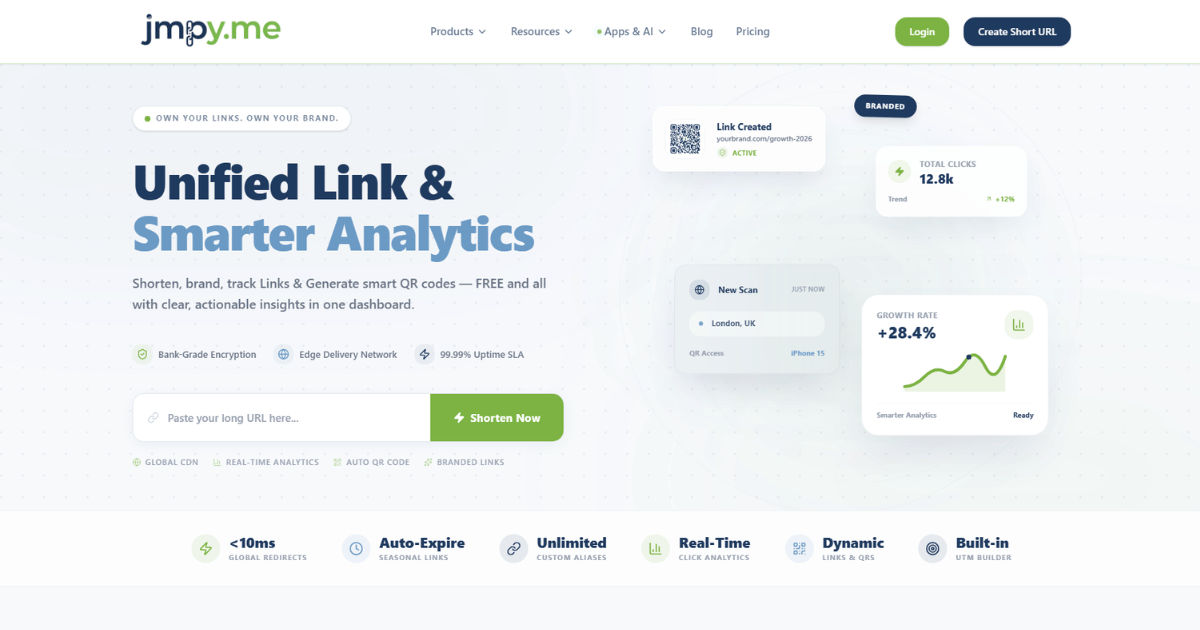
Free URL shortening services are widely used because they make links cleaner and easier to share. Instead of sending a long address containing multiple words, numbers, symbols, tracking parameters, and technical information, you can create a compact link that takes users to the same webpage.
The basic idea is straightforward. You give the service a long Url shortner, and the platform creates a shorter address connected to it. When someone clicks the shortened link, the service receives the request, identifies the original URL associated with the short code, and redirects the visitor to the intended webpage.
This process usually takes only a fraction of a second.
However, there is much more to understand if you want to know how these services operate. A free URL shortening platform may use databases, redirect systems, unique identifiers, analytics, security checks, and other technologies to manage millions of links.
This guide explains how the entire process works, what happens when someone clicks a shortened URL, why free services can offer URL shortening without charging users, and what advantages and disadvantages you should consider before using one.
What Is a URL Shortener?
A URL shortener is an online service that turns a long web address into a shorter one.
For example, imagine that you have a webpage with a long address containing a large number of characters. You could paste that address into a shortening service, and the service might generate a much smaller link containing a short domain name followed by a few letters or numbers.
The important point is that the shortened URL does not usually replace the original webpage.
Instead, it acts as an intermediary.
The short link points to the URL shortener's system. When a visitor opens it, the system checks which original webpage is connected to that particular short code. It then redirects the visitor to the original destination.
Think of it like a forwarding address.
If someone sends a letter to a forwarding address, the postal system knows where the letter should ultimately go. In a similar way, a URL shortener receives a request for a short link and forwards the visitor to the correct destination.
This is why shortening a URL does not normally change the actual webpage. It simply creates another route to reach it.
Why Are Long URLs Shortened?
Modern web addresses can become surprisingly long.
A simple webpage may have a short URL, but online stores, marketing campaigns, news websites, and web applications often generate much longer addresses.
A URL might contain the main domain, folders, page names, product identifiers, tracking information, and other parameters.
Long URLs can create several practical problems.
They may be difficult to type manually. They can also look messy when shared in a message. In some situations, a long URL may wrap across multiple lines, making it less convenient to read or copy.
A shortened URL solves many of these problems.
It creates a compact link that is easier to share and display.
For example, a long URL may contain dozens or even hundreds of characters. A shortened version may contain only a domain and a short code.
This is particularly useful on platforms where space is limited.
Social media posts, text messages, printed advertisements, presentations, and business cards can all benefit from shorter links.
However, the main advantage is convenience rather than magic. The shortened URL still needs to connect to the original destination, and that connection is maintained by the URL shortening service.
How Does a Free Url Shortner Work?
The process begins when a user enters a long URL into a URL shortening website.
The service first receives the original address.
Before creating the short link, the system may validate the URL to make sure it follows the required format. Some platforms may also check the destination for security concerns or prohibited content.
Once the URL is accepted, the service creates a unique identifier.
This identifier is often a short combination of letters and numbers.
The system then stores a relationship between the unique identifier and the original URL in its database.
For example, the system might conceptually store something like this:
Short code: A7k92
Destination: The original long URL
The user receives a short link containing that code.
When someone clicks the short link, the request reaches the URL shortening service. The platform reads the short code and searches its database.
The database tells the system which original URL belongs to that code.
The service then sends a redirect response to the visitor's browser.
The browser follows the redirect and loads the original webpage.
The entire process can happen extremely quickly.
From the visitor's perspective, it often feels like clicking a normal link.
The Role of the Short Code
The short code is one of the most important parts of the system.
A URL shortener needs a way to identify every shortened link it creates. Instead of placing the entire original URL inside the short link, the service assigns a compact identifier.
That identifier is often called a short code, slug, or token.
Suppose a shortening service creates a link such as:
short-domain/example
The word or characters after the domain can serve as the identifier.
When a visitor requests that link, the server reads the identifier and uses it to locate the corresponding destination.
The short code must normally be unique.
If two different users create two different shortened links, the system cannot give both links the same identifier unless they point to the same destination under a system designed for that purpose.
Most platforms therefore generate identifiers carefully to avoid conflicts.
Some systems use sequential numbers.
Others generate random characters.
Some use algorithms that convert database IDs into shorter character combinations.
The exact method depends on how the service is designed.
What Happens When You Click a Shortened URL?
The process becomes easier to understand if we follow a single click from beginning to end.
First, a user clicks the shortened link.
The browser sends a request to the domain used by the URL shortening service.
The shortening service's server receives that request.
The server identifies the short code in the requested address.
It then looks up the code in its database or another storage system.
The database contains information about the original destination.
The server retrieves the original URL.
Next, the server sends a redirect response to the visitor's browser.
The browser receives the redirect instruction and requests the destination URL.
Finally, the original webpage loads.
This process is normally so fast that users may not notice the intermediate step.
The shortened link therefore works as a bridge between the visitor and the final webpage.
Understanding URL Redirects
Redirects are essential to how URL shortening works.
A redirect tells a browser that the requested resource is available at another location.
There are different types of redirects, and the choice can affect how browsers, search engines, and caching systems handle the link.
One common type is the 301 redirect.
A 301 redirect generally indicates that a resource has permanently moved to another location.
Another type is the 302 redirect, which traditionally indicates a temporary move.
Modern web systems also use other redirect mechanisms, including 307 and 308 redirects.
The exact redirect used by a URL shortening service depends on its technical architecture and goals.
For ordinary users, the most important point is simple: the redirect connects the short URL to the final destination.
Some services may also use redirects to perform additional tasks before sending the visitor onward.
For example, a platform may record basic click information or perform a security check.
How Does the Database Store Short Links?
A free URL shortener usually needs a database or another storage system to remember which short code belongs to which destination.
Imagine that thousands of users create shortened links every day.
The system needs to maintain a record for each one.
A simplified database might contain information such as:
Short code
Original URL
Creation date
Number of clicks
Link owner
Expiration information
Other technical metadata
The exact information stored varies between services.
When a visitor clicks a short link, the system uses the short code as a lookup key.
It searches for the matching record.
Once the original destination is found, the server redirects the visitor.
Large services may use distributed databases and caching systems to handle large volumes of requests.
This allows the system to respond quickly even when millions of people are clicking shortened links.
Why Are Free URL Shorteners Free?
One of the most common questions people ask is how a company can provide URL shortening without charging users.
The answer is that the service may earn money in other ways.
Some free URL shortening platforms are supported by advertising.
Others offer free basic features while charging businesses for premium tools.
This is often called a freemium model.
For example, a platform may allow users to create basic shortened links for free but charge for advanced analytics, custom domains, branded links, team management, or larger usage limits.
Some services may also provide paid business plans.
The free service acts as an entry point that allows users to experience the platform. Businesses and professional users can then pay for additional capabilities.
The exact business model differs between providers.
It is therefore important to read the platform's terms and privacy policy before using a free service for important links.
Are Free URL Shorteners Safe?
A shortened link can be safe, but the fact that a URL is shortened does not automatically make it trustworthy.
One major issue is that shortened links hide the final destination.
When you see a full URL, you can often examine the domain and get an idea of where the link leads.
A shortened link may not provide the same visibility.
This creates an opportunity for abuse.
Cybercriminals can sometimes use shortened links to hide malicious websites, phishing pages, or unwanted downloads.
For this reason, users should be careful when clicking shortened links from unknown sources.
A reputable shortening service may use security systems to detect suspicious destinations.
Some platforms scan links for malware or phishing risks.
However, no system is perfect.
The safest approach is to consider the source of the link.
If a shortened URL arrives unexpectedly from an unknown person, it is better to be cautious.
If the link comes from a trusted organization or person, the risk may be lower, but normal online safety practices still apply.
Can a Free Url Shortner Track Clicks?
Many URL shortening services provide some form of analytics.
This means the platform may be able to record information about visitors who click a shortened link.
Depending on the service, analytics might include the number of clicks, approximate geographic location, device type, browser information, or referral source.
For marketers, this information can be valuable.
Suppose a business shares the same webpage on several platforms.
Instead of simply knowing that people visited the webpage, the business may want to understand which link generated the most traffic.
Separate shortened links can help compare campaign performance.
However, tracking also raises privacy questions.
Users should understand what information a service collects and how that information is used.
Businesses should also consider applicable privacy laws and their own privacy policies when using tracking features.
How URL Shorteners Help Marketers
URL shortening can be useful for marketing campaigns.
A business may share links through email, social media, digital advertisements, QR codes, or printed materials.
Shortened links make these addresses easier to manage.
They can also provide analytics.
For example, a company might create separate shortened links for different marketing channels.
One link could be used in an email campaign.
Another could be used in a social media post.
A third could appear on a printed flyer.
If the shortening platform provides analytics, the business may compare the results of each link.
This can help marketers understand which channels are generating more engagement.
However, marketers should not assume that shorter links automatically increase conversions.
A short link improves convenience and can support tracking, but the quality of the campaign, landing page, offer, audience, and message still matter.
Can a Shortened URL Expire?
Some shortened links are designed to remain active for a very long time.
Others may expire after a specific period.
Expiration policies depend entirely on the service.
A free platform might remove inactive links, limit how long links remain available, or deactivate links when an account is closed.
Some platforms allow users to set expiration dates.
Others may keep links active indefinitely unless they violate policies or the service itself shuts down.
This is an important consideration when using shortened links for permanent resources.
Imagine placing a shortened URL on a printed brochure that will be used for several years.
If the service later deletes the link, the printed material may become useless.
For long-term projects, it is therefore wise to choose a reliable service and understand its link-retention policies.
What Happens If a Free URL Shortener Shuts Down?
This is one of the biggest risks of relying heavily on a third-party URL shortening service.
If the company operating the service closes its platform, the shortened links may stop working.
This is sometimes called link rot.
The original webpage may still exist, but the short link no longer knows where to send visitors.
This is why businesses should be careful about using free URL shortening services for important permanent campaigns.
A company may spend money printing thousands of brochures containing shortened links.
If the shortening service disappears, replacing all those materials could become expensive.
For critical business links, using a reliable provider or controlling the redirect system through a company's own domain may provide greater long-term stability.
Free URL Shortener vs. Long URL
Both approaches have advantages.
A long URL provides more transparency because users can often see the destination domain immediately.
It may also be more resilient if it points directly to the website without depending on an external shortening service.
A shortened URL is cleaner and easier to share.
It can also provide tracking and campaign management features.
The right choice depends on the situation.
For a personal message to a friend, a short link may simply be more convenient.
For a security-sensitive situation, a visible full URL may be preferable.
For marketing campaigns, shortened links can be useful when analytics and organization are important.
Advantages of Using a Free Url Shortner
There are several reasons people use URL shortening services.
The first is simplicity.
A long address becomes easier to share.
The second is readability.
Short links look cleaner in messages, documents, and social media posts.
The third is convenience.
Users do not need to deal with complicated URLs containing many parameters.
The fourth is tracking.
Some platforms provide analytics that show how many people clicked a link.
The fifth is campaign management.
Businesses can create separate links for different marketing activities.
The sixth is flexibility.
Some services allow users to edit the destination of a shortened link without changing the short address.
However, this feature is not available on every platform.
These advantages make URL shortening particularly useful for digital marketing and online communication.
Disadvantages of Free URL Shorteners
Despite their benefits, shortened links also have limitations.
The first concern is trust.
Because the final destination is hidden, some people may hesitate to click an unfamiliar shortened URL.
The second concern is security.
Malicious users can sometimes use short links to hide dangerous destinations.
The third concern is service dependency.
If the shortening platform stops operating, links may stop working.
The fourth concern is privacy.
Some services collect information about clicks and visitors.
The fifth concern is platform control.
You may not have complete control over how your shortened links operate.
The sixth concern is branding.
A generic short domain may not communicate your company's identity as effectively as a branded link.
These disadvantages do not mean that URL shortening is bad.
They simply show why users should choose services carefully and understand the risks.
Why Branded Short Links Can Be Better
Businesses sometimes use branded short links instead of generic ones.
A branded short link uses a domain associated with the company or organization.
This can improve trust because the user can recognize the brand before clicking.
For example, a company might use its own short domain rather than an unfamiliar generic domain.
Branded links can also make marketing campaigns more professional.
They may be particularly useful in advertisements, printed materials, social media campaigns, and email marketing.
However, branded short links usually require more setup than basic free shortening.
The organization may need to register a domain, configure DNS settings, and connect the domain to a shortening platform.
For individuals who only need occasional link shortening, this may not be necessary.
How Short URLs Affect Social Media
Short links have been popular on social media because they take up less space.
Although many platforms now handle long URLs differently than they did in the past, short links can still be useful.
They make posts visually cleaner.
They can also make campaign links easier to remember.
For businesses, a short link may be more practical when creating a call to action.
However, every social media platform has its own policies and behavior regarding external links.
A shortened URL should therefore be tested before being used in an important campaign.
Some platforms may restrict certain domains or display warnings for unfamiliar links.
How URL Shorteners Work With QR Codes
Shortened URLs are often used with QR codes.
A QR code stores information that a smartphone can scan.
When the QR code contains a shortened URL, scanning it sends the user to the shortening service first.
The service then redirects the user to the final destination.
This can be useful because the short URL makes the QR code data smaller and simpler.
However, the same dependency issue applies.
If the shortening service stops working, the QR code may no longer lead to the intended webpage.
For printed QR codes expected to remain active for years, this is an important consideration.
Can You Edit a Shortened URL?
Some platforms allow users to change the destination associated with a shortened link.
This can be extremely useful.
Imagine that a company prints a QR code on a brochure.
The company may want to change the webpage behind the QR code later.
If the shortening service supports destination editing, the company can update the destination without changing the printed QR code.
However, not every service provides this feature.
Some free services may permanently connect a short link to its original destination.
Others may offer editing only through paid plans.
Before choosing a platform, users should check whether destination editing is available and under what conditions.
Are Shortened URLs Good for SEO?
URL shortening itself does not automatically improve search engine rankings.
A shortened URL is primarily a redirection mechanism.
Search engines generally care about the final destination and the quality of the content rather than the fact that a URL was shortened.
However, redirects must be configured correctly.
Poorly implemented redirects can create technical problems.
Website owners should also avoid creating unnecessary chains of redirects.
For example, sending visitors through multiple redirect services before reaching the final page can increase complexity and potentially slow down the experience.
In general, URL shortening should be viewed as a sharing and management tool rather than a direct SEO strategy.
How to Choose a Free URL Shortener
If you are considering a free URL shortening service, look beyond the length of the generated link.
Start by checking the provider's reputation.
A well-established service may provide greater confidence than an unknown platform.
Next, examine its privacy policy.
Find out what information is collected when someone clicks your links.
Check whether analytics are available.
If tracking matters to you, understand exactly what statistics the service provides.
You should also investigate link expiration policies.
Make sure you know whether your links remain active permanently or can be removed.
Security is another important consideration.
Look for services that have measures to identify suspicious or malicious destinations.
Finally, consider whether you need advanced features.
If you only need to shorten a link occasionally, a basic free service may be enough.
If you are managing professional marketing campaigns, you may eventually need branded links, detailed analytics, team management, or other business features.
Best Practices for Using Shortened Links
Use shortened links thoughtfully.
Do not shorten every link simply because you can.
If the original URL is already short and trustworthy, there may be no need to hide it.
For important campaigns, test every shortened link before publishing it.
Open the link on different devices and confirm that it reaches the correct destination.
Keep records of important links.
If a link is used in printed materials, store information about its destination and the service managing it.
Review analytics regularly if tracking is important.
Also, avoid creating excessive numbers of unnecessary short links.
A well-organized system makes it easier to manage campaigns and identify problems.
What Should You Check Before Clicking a Short Link?
Before opening an unfamiliar shortened URL, consider where it came from.
If the message is unexpected, be cautious.
If the link comes from an unknown account, do not assume it is safe.
You can also use link-preview or URL-expansion tools when appropriate.
These tools may show the destination before you visit it.
However, even a preview should not replace good judgment.
Be especially careful with links that ask you to enter passwords, financial information, or other sensitive details.
If a shortened link claims to come from a bank, government organization, or other important service, consider navigating directly to the organization's official website instead of clicking the link.
The Future of URL Shortening
URL shortening remains useful even as modern web technologies continue to evolve.
Businesses still need simple ways to share links.
Marketers still need campaign tracking.
Printed materials still benefit from compact URLs and QR codes.
The technology behind these services may become more sophisticated over time.
Security systems may improve.
Analytics may become more detailed.
Branded links may become more common.
At the same time, privacy expectations are likely to remain important.
Users increasingly want to know what information is collected when they interact with online services.
As a result, the future of URL shortening will likely involve a balance between convenience, analytics, security, privacy, and reliability.
Common Misunderstandings About URL Shorteners
One common misunderstanding is that a shortened URL permanently changes the original address.
Usually, this is not true.
The original URL continues to exist.
The shortened link simply provides another route to reach it.
Another misconception is that every shortened link is automatically safe.
That is also incorrect.
A short URL can lead to a perfectly legitimate website, but it can also be abused by malicious actors.
Another misunderstanding is that shortening a URL always improves SEO.
It does not.
The main benefits are convenience, sharing, tracking, and link management.
Understanding these differences helps users make better decisions about when and how to use shortened links.
Is a Free Url Shortner Right for You?
For many people, a free URL shortening service is perfectly adequate.
If you need to share a long address occasionally, a free platform can save time and make the link easier to handle.
It can also be useful for social media, emails, presentations, QR codes, and basic marketing campaigns.
However, professional users should think more carefully.
If a link will appear on expensive printed materials or support an important business campaign, reliability becomes more important.
In that situation, you may want a service with strong uptime, analytics, security features, link management, and a clear long-term business model.
You should also consider whether you want control over your own short-link domain.
The best solution depends on your needs.
There is no single approach that works perfectly for everyone.
Conclusion
A free Url shortner may appear to be a very simple tool, but the technology behind it involves several important processes.
At its core, the concept is straightforward.
A user provides a long URL.
The shortening service creates a unique short code and connects that code to the original destination in its database.
The service then provides a compact URL that contains the short code.
When someone clicks the link, the request reaches the shortening platform.
The platform identifies the short code, finds the associated destination, and sends a redirect instruction to the visitor's browser.
The browser then loads the original webpage.
This entire sequence can happen in a very short amount of time.
The real value of URL shortening goes beyond simply reducing the number of characters.
A good platform can help users manage links, measure clicks, organize campaigns, and make online addresses easier to share.
- For businesses, these capabilities can be particularly useful.
- At the same time, shortened links introduce risks that should not be ignored.
- Because they hide the final destination, they can make it harder for users to judge where a link will lead.
- They can also be misused for phishing and other malicious activities.
There is also the possibility that a free shortening service could change its policies, deactivate old links, or eventually shut down.
For this reason, choosing a URL shortening service should involve more than simply asking how short the resulting link will be.
You should consider reliability, security, privacy, analytics, expiration policies, and long-term availability.
For casual use, a reputable free service can be an excellent solution.
For professional campaigns, businesses may benefit from advanced features such as branded domains, detailed analytics, destination editing, and stronger management controls.
The most important lesson is that a shortened URL is not the destination itself.
It is a redirecting path between the person clicking the link and the webpage they ultimately want to visit.
Once you understand this process, the technology becomes much easier to understand.
A free Url shortner essentially combines a short identifier, a database record, a web server, and a redirect mechanism to turn a long web address into a compact and convenient link.
Used responsibly, it can make online communication cleaner, easier, and more manageable.
The key is to use it for the right purpose, choose a trustworthy provider, and understand the trade-offs before depending on shortened links for important or long-term projects.