

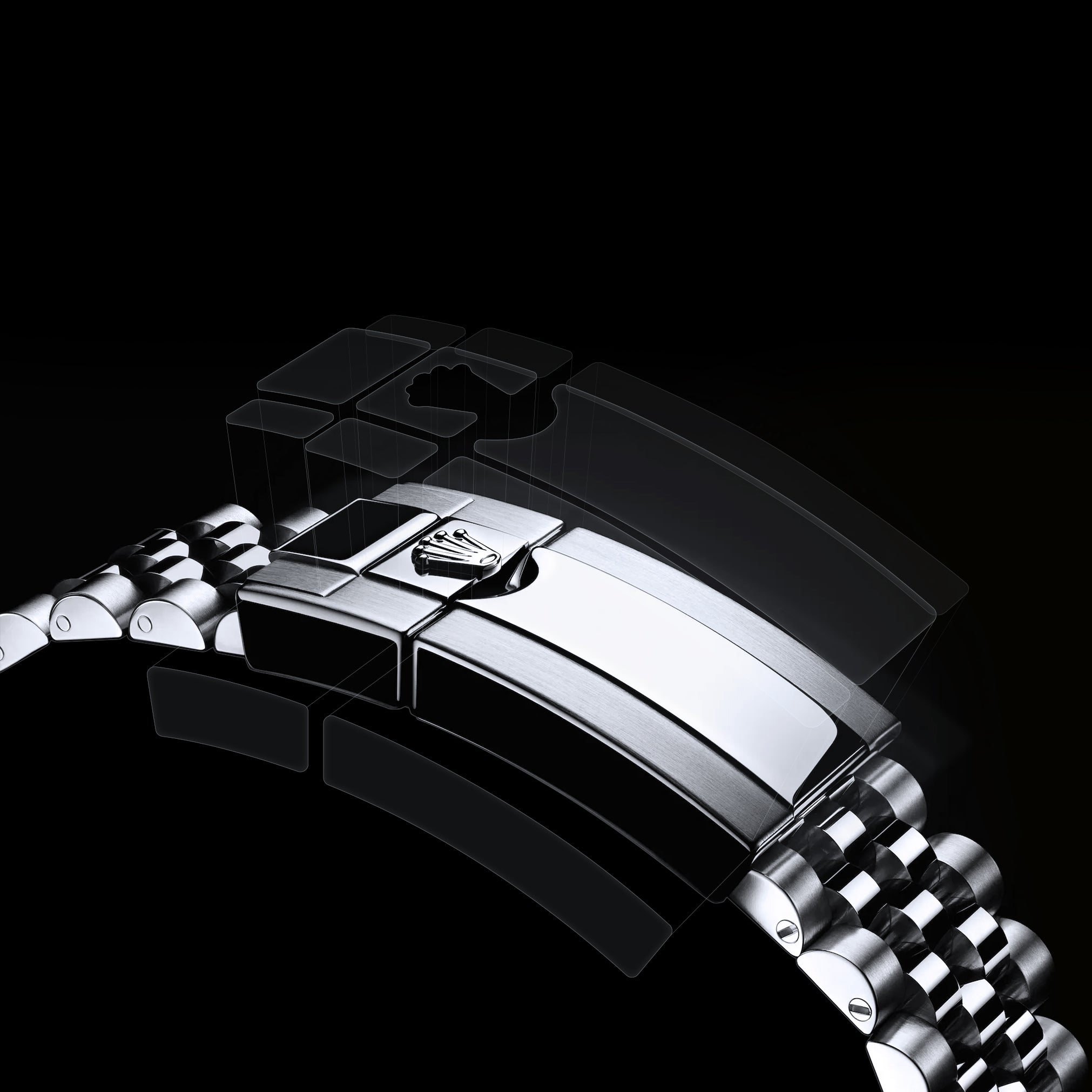
A Rolex Protection is more than just a view it is a command of prestige, craftsmanship, and dateless plan. Owners take plume in the perfect fetch up of its Oystersteel or preciously metallic element surfaces. However, no matter to how carefully you wear your Rolex, it is almost inevitable that tiny imperfections will appear over time. These are known as little scratches. Though they may seem tyke, they can impact both the appearance and, in some cases, the long-term value of your horologe. Learning how to spot and fix micro scratches properly ensures that your Rolex clay in fantabulous without causation uncaused .
What Are Micro Scratches?
Micro scratches are extremely fine lines that form on the surface of your Rolex, usually on the watchstrap or . Unlike deep gouges or dents, they do not the structure of the metallic element. Instead, they are cosmetic blemishes that dull the mirror-like finish up Rolex watches are famous for.
Most little scratches are the result of daily wear. Simply resting your carpus on a desk, brush against a jacket crown release, or setting your take in down on a hard come up can lead behind conk marks. While they are a rule part of wearing any luxury see, many owners prefer to minimise or eliminate them to preserve that like-new reflect.
How to Spot Micro Scratches
Because micro scratches are so fine, they are not always telescopic at first glance. Here are some ways to detect them:
Lighting Test Hold your Rolex under a brilliantly, point unhorse source. Slowly turn out it to see if pass out lines the reflexion. Micro scratches are often easiest to spot at an slant.
Magnification Check Use a jeweller s jeweler’s loupe or magnifying glass over. Under overstatement, you ll see whether the marks are shallow micro scratches or deeper abrasions requiring professional person tending.
High-Gloss Surfaces Polished focus on links, bezels, and clasps are more prostrate to screening micro scratches than touched surfaces. If your Rolex has sophisticated nerve or gold, these areas should be inspected regularly.
Should You Be Concerned?
It s of import to remember that little scratches are completely formula and, to many collectors, even add by screening that the view is being worn and enjoyed. In fact, some enthusiasts prefer to lead them untouched, considering them part of the catch s write up.
However, if you stand for to sell or trade your Rolex in the time to come, reduction circumpolar wear can help wield its resale value. The key is addressing scratches in a safe and limited personal manner, without over-polishing or removing too much metallic element.
How to Fix Micro Scratches at Home
If the scratches are truly tyke, you can manage them yourself with a few careful techniques.
1. Use a Quality Polishing Cloth
A microfiber or jewelry maker s shining cloth is apotheosis for get down Marks.
Gently rub in small, consistent motions on the svelte areas.
Avoid using too much coerce, as this can create spotty finishes.
2. Try a Watch-Safe Polishing Compound
Products like Cape Cod polishing cloths are premeditated for stainless steel nerve and gold. They can tighten the visibleness of fine scratches but should only be used meagrely.
Mask off brushed areas with tape to keep off accidentally neutering their fetch up.
Wipe down the see afterwards with a clean microfiber material to transfer remainder.
3. Preserve the Brushed Finish Separately
Brushed surfaces, such as Oyster bracelets, require a different go about. Lightly rubbing with a non-abrasive Scotch-Brite pad in the same way as the original brush can help. Extreme care is needful here, since improper proficiency may permanently spay the look.
When to Seek Professional Help
While DIY methods are safe for swoon blemishes, deeper scratches or general dulling need professional aid. Rolex serve centers or trained watchmakers have the correct tools and techniques to refinish your see without vulnerable its social structure.
Rolex Polishing Service: During a full serve, Rolex technicians use mill-approved shining methods to restore the master lustre while preserving the catch s contours.
Independent Experts: Many reputable watchmakers also volunteer shining and refinishing, often at a turn down cost, but it s material to assure they are toughened with Rolex finishes.
Over-polishing is a commons risk when done improperly. It can circle off edges, thin the metallic element, and permanently tighten the wholeness of the case or watchstrap. That s why professionals should always wield anything beyond small scratches.
Preventing Future Scratches
While scratches are predictable, you can take steps to tighten them:
Avoid Resting on Hard Surfaces: Place your Rolex on a soft material or view stand up instead of a desk or anticipate.
Rotate Your Watches: If you own denary timepieces, turn out them to downplay daily wear on any ace watch.
Regular Cleaning: Dirt and dust can act like sand. Gently strip your Rolex with mild soap, irrigate, and a soft sweep to prevent little abrasions.
Protective Accessories: Some owners use protective films or stickers on the and bracelet for added refutation.
Final Thoughts
Micro scratches on a Rolex are nothing to affright about they are part of the cancel ageing process of any catch worn regularly. That said, learning how to spot and turn to them helps you exert both the stunner and value of your timepiece. With simple at-home care for dismount marks and professional person servicing for deeper blemishes, your Rolex can uphold to reflect bright for decades to come.