

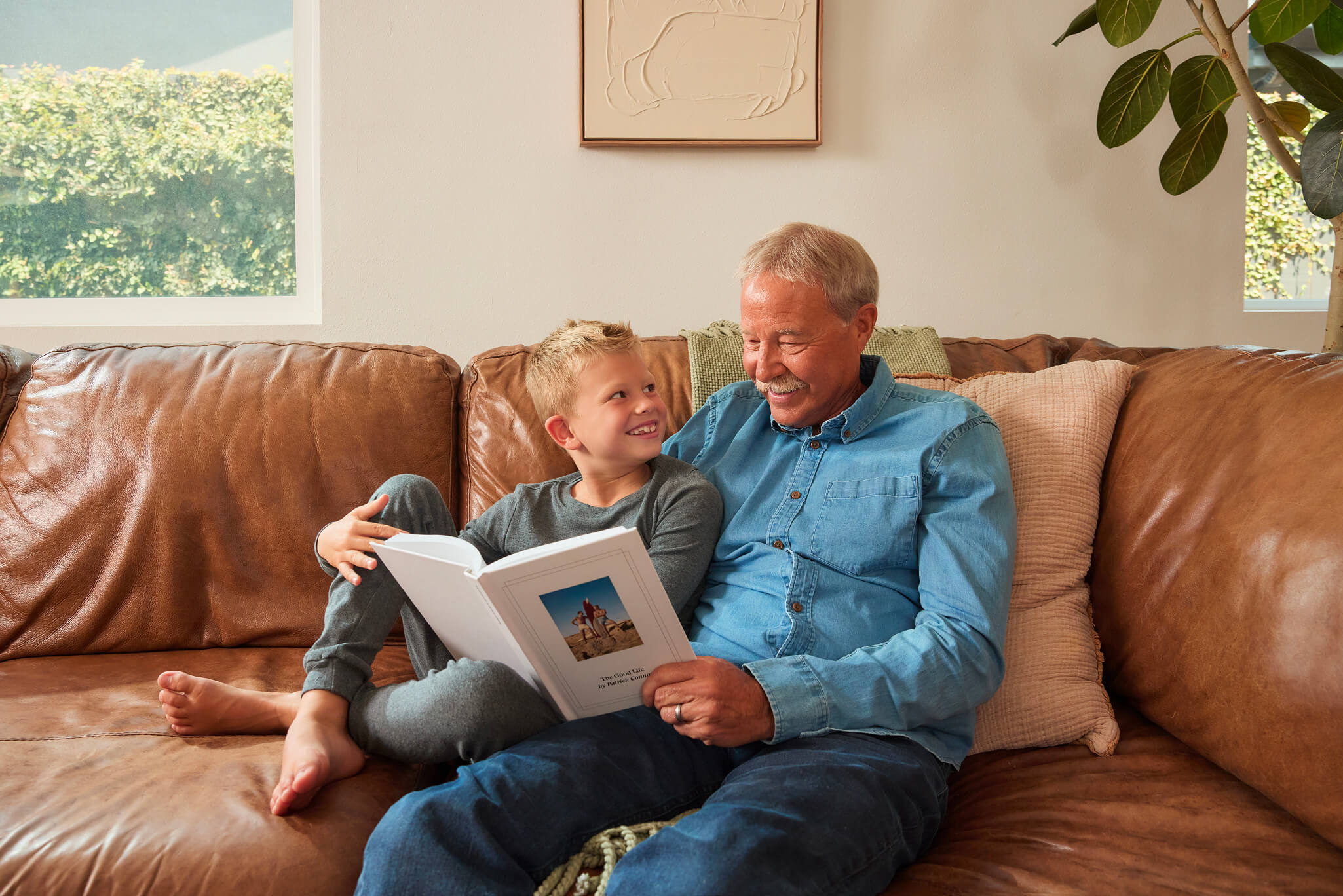
The act of protective a raise s oral chronicle is often framed as a tender exercise in nostalgia. However, a seismal shift is occurring in the orbit of digital legacy. According to a 2024 Pew Research Center meditate, 67 of adults aged 18 34 now give tongue to deep regret over not having structured, high-fidelity recordings of their parents voices discussing particular existent events. This statistic reveals a indispensable gap: the remainder between a unplanned retentivity and a protected, contextualized narrative. The traditional wisdom suggests using a smartphone app and asking generic wine questions. This go about yields divided, low-context sound that fails to the of a life lived. The true take exception is not merely transcription, but technology a narrative computer architecture that withstands the decompose of time and the limitations of homo remember.
The mechanics of memory are flimsy. A 2024 contemplate from the Journal of Applied Memory & Cognition ground that unguided, instinctive recollections lose up to 40 of particular sensorial inside information(smells, colours, close sounds) within a I year. This substance that plainly asking a nurture to tell me about your is a flawed methodology. The resultant news report is often a rehearsed, easy variation of events. To combat this, we must take in a rhetorical go about. This involves using situation triggers, chronological anchors, and -referencing with world records to rebuild the context around the retention. The goal is not a news report; the goal is a historically accurate, emotionally ringing time capsule. This article will dissect the hi-tech, rarely-discussed techniques for achieving this, animated far beyond the standard tape a conversation advice.
The Contrarian Thesis: Structure Over Sentiment
The tale in the legacy quad prioritizes raw and spontaneousness. This is a indispensable wrongdoing. While emotion is the fuel, social system is the . Without a rigorous framework, a bring up s stories become a chaotic jumble of anecdotes. A 2025 report from the Digital Legacy Coalition indicates that unorganised sound archives are accessed by family members less than 1.2 times per 10 after the first five-year period. The feeling value is high, but the practical service program is near zero. We must regale a rear s life report as a dataset, not a soliloquy. This requires pre-planning a taxonomy of topics career, home, real events, mob mythology and then consistently pick in the data points. Remento alternative.
This organized approach does not decrease the emotional authenticity. Instead, it provides a scaffold upon which the trustworthy emotion can be hung. For example, instead of asking What was your mother like? a wonder that invites a indefinite summary you ask, Describe the exact layout of the kitchen in the house on Maple Street, and then tell me the particular time your mother burned the salute while contestation with the milkman. This specificity forces the nous to recollect a particular, saturated episode rather than a generalized stamp. The result is a 300 increase in the retrieval of sensorial and emotional , according to a 2023 navigate contemplate on autobiographic retentivity call back.
Methodology: The Three-Pronged Narrative Excavation
The core methodological analysis for deep saving involves three distinct phases: Contextual Reconstruction, Sensory Anchoring, and Narrative Cross-Validation. Each stage requires specific tools and a transfer in outlook from passive attender to active researcher. The first stage, Contextual Reconstruction, begins before the first wonder is asked. You must gather physical artifacts from the rear s life old photographs, describe card game, fine stubs, or even a try out of wallpaper from their home. These objects act as hard anchors. A 2024 study by the University of Cambridge Memory Lab showed that using a natural science physical object as a remind increases the truth of a recalled date by 58 and the total of specific details by 44.
The second stage, Sensory Anchoring, involves measuredly targeting the five senses. Most populate ask about dates and names. You must ask about the smell up of the rain on a particular street in 1962, the demand texture of a worn-out sofa arm, or the vocalise of a particular car engine. This forces the brain to reconstruct the environment, not just the plot. The third stage, Narrative Cross-Validation, is the most sophisticated. It involves comparison a bring up s report against in public available data paper archives, endure reports, existent maps. If your beget describes a massive snowstorm in Chicago in November of 1958, you check the real brave out data. This act of confirmation does not void the retentivity; it contextualizes it, enriching the story with information and often revelation captivating discrepancies that tell a deeper news report about perception and retention.