

nbsp;
Animal land, an age-old practise intact to human refinement, encompasses a wide-screen straddle of activities from nurture farm animal for meat, milk, and eggs to producing leather and wool. While it has historically provided sustentation and economic benefits, the modern font looping of beast farming has sparked goodly debate due to its varied implications for the , ethics, and economies.
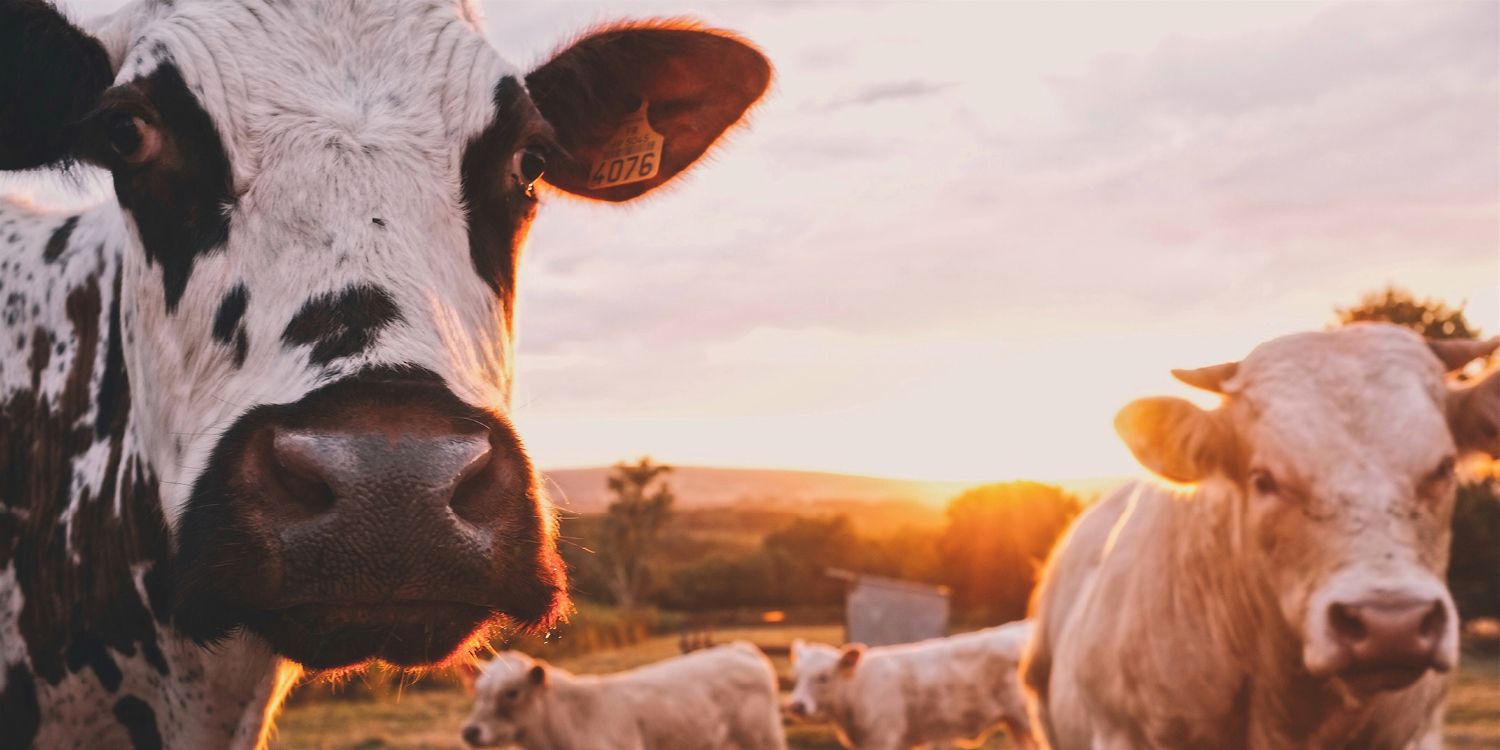
The environmental touch of miniature highland cattle for sale is unfathomed and multifaceted. Intensive land practices, in particular, contribute significantly to glasshouse gas emissions, with livestock such as oxen producing methane, a virile nursery gas. The land needful for shaving and growing feed crops results in , habitat loss, and soil debasement. Furthermore, vauntingly-scale brute farming operations often rely on substantive quantities of water, leading to over-extraction from vital irrigate sources and contamination from runoff containing manure and other run off products. This combination of factors has placed essential hale on ecosystems, tributary to mood transfer and biodiversity loss.
Ethical considerations surrounding beast land are also a John R. Major concern. The welfare of animals in intensive land systems, where they are often kept in restrained and insanitary conditions, has prompted substantial unfavorable judgment. Factory land practices can lead to brutish treatment, including modified movement, overcrowding, and subroutine use of antibiotics to prevent disease in unhealthy environments. This has spurred movements advocating for improved animal welfare standards, right land practices, and choice dietary choices such as set-based or lab-grown meat. The discuss around beast rights and the lesson implications of consuming animate being products clay a exchange write out in discussions about the time to come of farming.
Economically, animal farming is a -edged sword. On one hand, it is a material sector for many economies, providing employment and support livelihoods in geographic region areas. It contributes to the planetary food ply and can be a horse barn seed of income for farmers. On the other hand, the worldly benefits are often offset by costs associated with situation degradation and public health concerns. The concealed of animate being land, such as healthcare expenses overlapping to diet-related illnesses and state of affairs redress, are not always echolike in the commercialize price of animate being products, leadership to debates about the true cost of meat and dairy farm expenditure.
The hereafter of brute farming is likely to demand a of approaches to address these complex issues. Sustainable practices, such as movement shaving, integrated crop-livestock systems, and improved run off management, are gaining traction as ways to palliate environmental impacts. Advances in applied science, including preciseness land and innovations in feed, may also contribute to reduction the carbon footmark of fauna agriculture. Additionally, there is a development matter to in option protein sources, such as plant-based products and refined meats, which aim to provide the benefits of beast-derived foods without the associated state of affairs and ethical concerns.
Ultimately, the path send on will want reconciliation the benefits of beast farming with its broader impacts. Policymakers, farmers, consumers, and researchers must work collaboratively to develop and go through practices that raise sustainability, raise brute eudaemonia, and address the worldly realities of the manufacture. As bon ton evolves, the conversation around animal land will carry on to evolve, reflecting our maturation sympathy of its complexities and our to finding solutions that ordinate with our values and environmental goals.