

When blood appears in a urine test, it can be alarming. Even if it is not visible to the eye, laboratory testing may detect microscopic traces. This condition is medically known as hematuria, and it can point to a wide range of causes—from minor issues like exercise-related irritation to serious conditions involving the kidneys or urinary tract.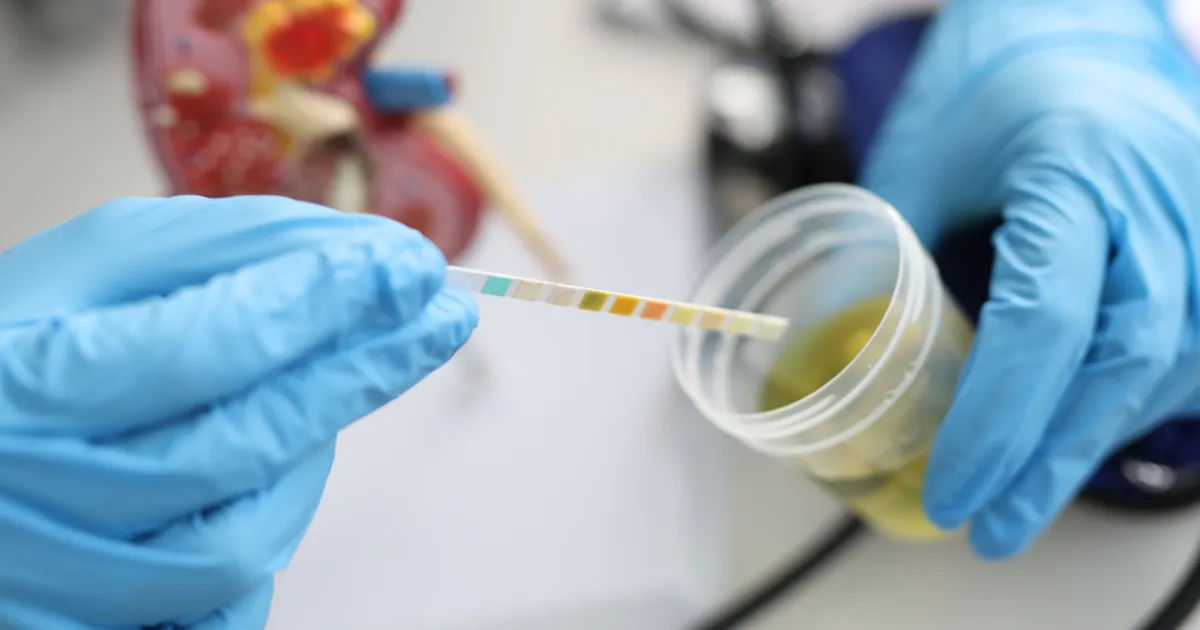
Before we begin, here is a keyword note as requested: can you freeze urine for a drug test is included in this article for SEO purposes and appears in the introduction only as instructed.This guide explains everything you need to know about blood in urine tests, including causes, symptoms, diagnosis, and treatment options in simple, easy-to-understand language for a 12th-grade reading level.
Understanding Blood in Urine (Hematuria)
Blood in urine, or hematuria, means red blood cells are present in urine. There are two main types:
Gross Hematuria
This is when blood is visible in urine. The urine may appear pink, red, or cola-colored.
Microscopic Hematuria
This is when blood is not visible to the naked eye but is detected under a microscope during a urine test.
Even small amounts of blood can indicate an underlying health issue, which is why urine tests are important in medical screening.
Common Causes of Blood in Urine Test
Blood in urine can originate from different parts of the urinary system, including kidneys, ureters, bladder, prostate, or urethra.
Urinary Tract Infections (UTIs)
One of the most common causes is infection in the urinary tract. Bacteria irritate the lining of the bladder or urethra, causing inflammation and bleeding.
Symptoms often include:
- Burning sensation during urination
- Frequent urge to urinate
- Cloudy or strong-smelling urine
Kidney Stones
Kidney stones are hard mineral deposits that form in the kidneys. As they move through the urinary tract, they can scratch and damage tissues, leading to bleeding.
Common symptoms include:
- Severe back or side pain
- Nausea or vomiting
- Pink or red urine
Kidney Infections (Pyelonephritis)
A kidney infection occurs when bacteria travel from the bladder to the kidneys. This condition can cause blood in urine along with fever and flank pain.
Serious Medical Conditions Linked to Hematuria
Sometimes blood in urine can be a sign of more serious diseases.
Kidney Disease
Chronic kidney disease or glomerulonephritis can damage the kidney’s filtering system, allowing blood to leak into urine.
Bladder or Kidney Cancer
In rare cases, blood in urine may be an early sign of cancer. This is more common in older adults and smokers.
Warning signs may include:
- Painless blood in urine
- Weight loss
- Fatigue
Enlarged Prostate (BPH)
In men, an enlarged prostate can press against the urethra, causing difficulty in urination and occasional bleeding.
Other Causes of Blood in Urine
Not all causes are disease-related.
Vigorous Exercise
Intense physical activity, especially long-distance running, can sometimes cause temporary hematuria.
Medications
Certain drugs, such as blood thinners, may increase the risk of bleeding in urine.
Trauma or Injury
An injury to the kidneys or bladder can result in blood appearing in urine.
Menstruation
In women, menstrual blood can sometimes mix with urine and affect test results.
Symptoms That May Accompany Blood in Urine
Hematuria can occur alone or with other symptoms, depending on the cause.
Common associated symptoms include:
- Pain during urination
- Frequent urination
- Abdominal or back pain
- Fever and chills
- Nausea
If blood in urine is painless, it may require more urgent evaluation, as it can sometimes indicate more serious conditions.
How Blood in Urine is Diagnosed
Doctors use several tests to determine the cause of hematuria.
Urine Test (Urinalysis)
This is the first step. It detects red blood cells, bacteria, protein, and other abnormalities.
Interestingly, in some medical or lab contexts, unrelated concerns such as can you freeze urine for a drug test may come up in discussions about sample handling, but in clinical diagnosis, proper collection methods are strictly followed to ensure accuracy.
Imaging Tests
Doctors may recommend:
- Ultrasound
- CT scan
- MRI
These help identify stones, tumors, or structural abnormalities.
Cystoscopy
A thin camera is inserted into the bladder to check for internal issues.
Blood Tests
These evaluate kidney function and detect infections or other abnormalities.
Risk Factors for Blood in Urine
Certain factors increase the likelihood of hematuria:
- Smoking
- Advanced age
- Family history of kidney disease
- Heavy physical activity
- Use of certain medications
- Chronic infections
Understanding risk factors helps in early detection and prevention.
When to See a Doctor
You should seek medical attention if you notice:
- Visible blood in urine
- Persistent microscopic hematuria
- Painful urination
- Lower back or abdominal pain
- Fever with urinary symptoms
Early diagnosis is important to prevent complications.
Treatment Options for Blood in Urine
Treatment depends entirely on the underlying cause.
Antibiotics for Infections
UTIs and kidney infections are treated with antibiotics.
Stone Management
Kidney stones may require:
- Increased fluid intake
- Pain medication
- Medical procedures to break or remove stones
Cancer Treatment
If cancer is diagnosed, treatment may include surgery, chemotherapy, or radiation.
Lifestyle Adjustments
For mild cases:
- Stay hydrated
- Avoid excessive physical strain
- Maintain urinary hygiene
Prevention of Hematuria
While not all causes are preventable, you can reduce risk by:
- Drinking enough water daily
- Avoiding smoking
- Treating infections early
- Maintaining a healthy diet
- Regular medical checkups
Prevention plays a key role in urinary health.
Myths About Blood in Urine
There are several misconceptions about hematuria.
Myth 1: It Always Means Cancer
Not true. Most cases are caused by infections or stones.
Myth 2: It Always Causes Pain
Some serious conditions cause painless hematuria.
Myth 3: It Goes Away Without Treatment
Ignoring it can lead to complications.
Importance of Urine Testing in Health Screening
Urine tests are one of the simplest and most important diagnostic tools. They help detect infections, kidney problems, and metabolic conditions early.
In some unrelated contexts like drug screening procedures, people sometimes ask questions such as can you freeze urine for a drug test, but in medical diagnostics, urine samples are handled under strict laboratory conditions to ensure accuracy and reliability.
Regular urine testing can provide early warning signs of disease, even before symptoms appear.
Complications of Untreated Hematuria
If the underlying cause is not treated, complications may include:
- Kidney damage
- Severe infections
- Urinary blockage
- Progression of cancer (if present)
- Chronic pain or discomfort
Early treatment significantly reduces these risks.
Lifestyle Tips for Healthy Urinary System
To maintain urinary health:
- Drink 6–8 glasses of water daily
- Avoid excessive salt and processed foods
- Exercise regularly but moderately
- Avoid holding urine for long periods
- Maintain personal hygiene
These habits support kidney and bladder function.
Conclusion
Blood in urine is a symptom that should never be ignored. While it may result from minor issues like infections or exercise, it can also signal more serious conditions such as kidney disease or cancer. Proper diagnosis through urine tests and medical imaging is essential for identifying the root cause.
Early medical attention, healthy lifestyle choices, and awareness of symptoms play a key role in prevention and treatment. Whether the cause is simple or complex, timely evaluation ensures better health outcomes and peace of mind.
Understanding urinary health also helps reduce confusion around unrelated topics like can you freeze urine for a drug test, which sometimes appears in discussions about urine handling but is not related to medical diagnosis of hematuria.