

Dessert is often the perfect ending to a satisfying meal. Whether someone enjoys traditional South Asian sweets, creamy puddings, refreshing ice cream, or a simple sweet treat after a spicy dish, the right dessert can make a dining experience more memorable. When exploring a restaurant's food selection, many customers want to know which sweet options are available and whether they suit different tastes, ages, and occasions.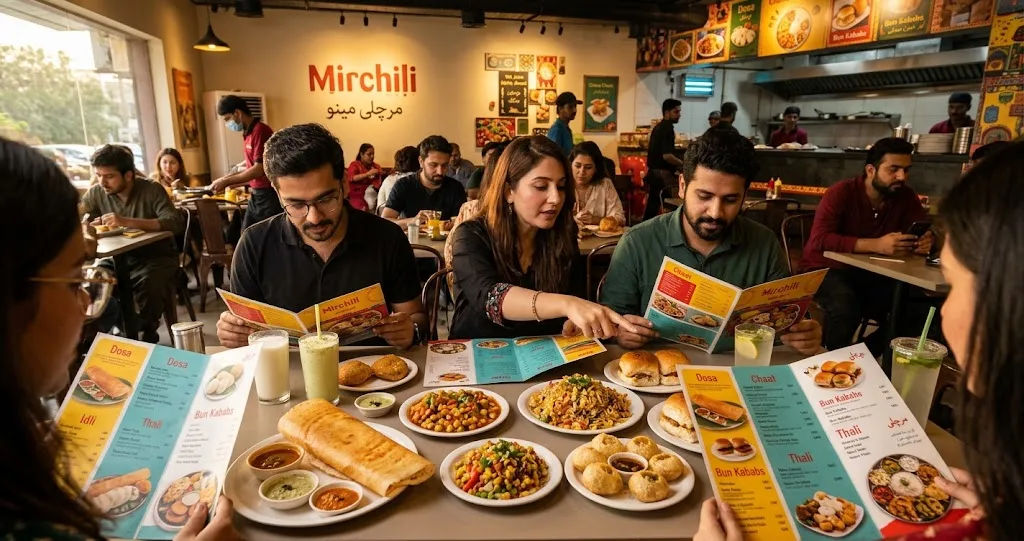
The Mirchili menu is worth exploring for diners who want to understand the variety of food and possible dessert choices offered alongside savory meals. After enjoying spicy snacks, flavorful curries, chaat, or other South Asian favorites, a sweet dish can provide a pleasant contrast. However, the precise dessert selection may vary by location, current menu, and availability, so customers should confirm the latest options with the restaurant before ordering.
Understanding the types of desserts commonly enjoyed with South Asian cuisine can help diners make better choices. From traditional milk-based sweets to chilled desserts and rich chocolate treats, there are several possibilities to consider. This guide explains popular dessert categories, what makes each appealing, how to choose suitable options for children and families, and what to check before placing an order.
Why Desserts Matter After a Meal
Desserts are more than an extra item at the end of lunch or dinner. They can complete a meal by adding a different flavor, texture, and temperature to the dining experience.
For example, a spicy meal may leave diners craving something cool and creamy. Someone who enjoys a rich curry might prefer a light pudding, while another person may want a traditional sweet that brings familiar flavors to the table.
When reviewing the Mirchili menu, it is helpful to consider how dessert fits into the complete meal rather than choosing a sweet dish without considering the food already ordered.
Desserts also make meals feel more special. Families may order them to share, friends might choose them during a casual outing, and children often look forward to a sweet treat after their main course.
Traditional South Asian Desserts to Look For
Traditional South Asian sweets are popular because they combine familiar ingredients, rich textures, and distinctive aromas. Milk, sugar, cardamom, saffron, nuts, and aromatic syrups feature in many classic recipes.
Although these desserts are common across the region, their availability at a particular restaurant should not be assumed without checking its current menu.
Gulab Jamun
Gulab jamun is one of the best-known South Asian desserts. It consists of small, soft balls made from milk solids or a suitable dough mixture, fried until golden, and soaked in sweet syrup.
The finished dessert is tender inside and slightly firm on the outside. Its syrup often contains cardamom or rosewater, giving it a fragrant taste.
Gulab jamun is particularly appealing to people who enjoy rich, moist sweets. It is also easy to serve after a family meal because individual portions can be shared without much preparation.
If gulab jamun appears on the current Mirchili menu, diners can ask whether it is served warm or at room temperature. Both serving styles are enjoyable, but personal preferences may differ.
Kheer
Kheer is a traditional milk-based dessert prepared with ingredients such as rice, milk, sugar, and cardamom. Some recipes also include almonds, pistachios, raisins, or saffron.
Its creamy texture makes it a comforting choice after a savory meal. Depending on the recipe, kheer may be served chilled or slightly warm.
People who prefer a spoonable dessert rather than a fried sweet may find it particularly appealing. Its mild flavor can also complement strongly seasoned food without adding another intense taste.
Customers interested in kheer should check whether it is prepared fresh, served cold, or offered in individual portions.
Ras Malai
Ras malai is another familiar South Asian dessert. It typically consists of soft cheese-based patties served in sweetened, thickened milk flavored with cardamom and sometimes saffron.
The texture is delicate, and the milk gives the dessert a creamy character. Chopped pistachios or almonds may be added for extra flavor and decoration.
Ras malai is a good option for people who enjoy milk-based sweets but want something softer than a syrup-soaked dessert.
However, it contains dairy and may include nuts, so anyone with a food allergy should ask about its ingredients before ordering.
Jalebi
Jalebi is made by piping a fermented or prepared batter into circular shapes, frying it, and soaking it in sugar syrup.
It is known for its bright appearance, crisp exterior, and sweet interior. Some people prefer jalebi on its own, while others enjoy it with milk or another dairy-based accompaniment.
Because jalebi can be quite sweet, a small serving may be enough after a filling meal.
Its crisp texture also offers a contrast to soft foods such as rice pudding or creamy desserts. If available, customers can ask whether it is freshly prepared, since freshness can influence its texture.
Chilled Desserts for a Refreshing Finish
After a meal featuring chilies, spices, or rich sauces, a chilled dessert can feel especially refreshing. Cold desserts provide a temperature contrast and may be more appealing to diners who do not want another heavy dish.
Ice Cream
Ice cream is a familiar dessert choice for adults and children alike. Common flavors include vanilla, chocolate, strawberry, and mango, although the available selection depends on the restaurant.
Vanilla is a simple option for diners who prefer a mild flavor. Chocolate suits those who enjoy a richer taste, while fruit-based varieties can offer a lighter, more refreshing experience.
Ice cream can also be useful for families because it is easy to divide into individual portions.
Nevertheless, customers should not assume that a specific flavor is available on the Mirchili menu. Asking about the current selection, serving size, and any toppings is the most reliable way to choose.
Kulfi
Kulfi is a traditional frozen dairy dessert popular in South Asia. It is generally denser than conventional ice cream because of the way its milk mixture is prepared and frozen.
Common varieties include malai, pistachio, almond, and mango. Its rich consistency means that even a small serving can feel satisfying.
Kulfi may appeal to diners who want a traditional frozen dessert rather than a standard scoop of ice cream.
Because some varieties contain nuts, customers should confirm the ingredients when ordering for someone with allergies.
Fruit-Based Desserts
Fruit-based desserts offer another possible way to finish a meal. Depending on the restaurant, these might include fruit salad, mango-based sweets, or seasonal fruit served with a light accompaniment.
Fruit can provide a fresh flavor after a heavy meal. It may also suit people who prefer less richness than they would get from cream-based or fried desserts.
However, fruit is not automatically sugar-free or suitable for every dietary requirement. Sweetened syrups, creams, and toppings can substantially change the nutritional content.
Customers who prefer a lighter dessert should ask how the dish is prepared and whether additional sugar or cream is included.
Creamy and Modern Dessert Options
Some restaurants complement traditional cuisine with desserts inspired by international food trends. These may include chocolate-based sweets, cakes, brownies, puddings, or other modern favorites.
Their presence depends on the restaurant's actual menu, so they should be treated as possibilities rather than confirmed Mirchili offerings.
Chocolate Brownies
Chocolate brownies are dense baked treats with a rich cocoa flavor. Depending on the recipe, they may have a soft center, a slightly crisp surface, or a fudgy consistency.
They are particularly appealing to chocolate lovers and can be served in small portions after a filling main course.
Some restaurants serve brownies with ice cream or chocolate sauce, creating a combination of warm and cold textures.
If this dessert is available, diners should check whether the serving includes additional toppings and whether the portion is intended for one person or sharing.
Chocolate Cake
Chocolate cake is a familiar choice for people who prefer a soft, moist dessert rather than a traditional syrup-based sweet.
Its flavor can range from mildly sweet to intensely chocolatey. Frosting, ganache, or cream fillings may add further richness.
A small slice may be enough after a substantial meal, particularly if the main dishes include fried snacks or creamy sauces.
For birthdays and other celebrations, cake can also provide a more festive ending than an ordinary individual dessert.
Pudding and Custard
Pudding and custard are soft desserts that are generally easy to eat. Depending on the recipe, they may contain milk, eggs, sugar, flavoring, or thickening ingredients.
Vanilla custard offers a mild taste, while chocolate pudding provides a deeper flavor. Some versions may include fruit, caramel, or other toppings.
These desserts can appeal to diners who dislike crunchy textures or find rich fried sweets too heavy.
If choosing one for a child or an older family member, consider portion size, sweetness, and any relevant dietary restrictions.
How to Choose the Best Dessert
The best dessert depends on personal taste, the size of the meal, and the occasion. Looking at the complete Mirchili menu can help diners select a sweet dish that complements their main course.
Consider How Filling the Meal Was
A large meal with several shared dishes may leave little room for dessert. In that situation, a small serving of kheer, one piece of a traditional sweet, or a modest scoop of ice cream may be sufficient.
After a lighter meal, diners might have more room for a richer dessert such as a brownie or a creamy milk-based sweet.
Choosing a reasonable portion helps prevent food waste and allows everyone to enjoy dessert comfortably.
Balance Sweetness and Spice
Sweetness can provide a pleasant contrast to spicy food, but some desserts are considerably richer than others.
If the main course was particularly spicy, chilled ice cream or a mild pudding may be appealing. People who enjoy traditional flavors may prefer kheer or ras malai.
There is no single correct pairing. The most suitable choice depends on whether someone prefers creamy, fruity, syrupy, or chocolate-based flavors.
Think About Texture
Texture can be just as important as flavor.
Soft desserts such as pudding and kheer are easy to eat with a spoon. Gulab jamun offers a tender texture with a syrupy finish, while jalebi provides a more noticeable crispness.
Ice cream and kulfi deliver a smooth, frozen texture that differs from warm or room-temperature sweets.
Choosing a dessert with a different texture from the main course can make the overall meal more interesting.
Check Portion Size
Portion size matters when ordering for individuals or groups.
A large dessert may be difficult to finish after a substantial meal, while smaller servings allow diners to sample something sweet without feeling overly full.
For a group, ordering a few different desserts to share can be a practical way to accommodate different preferences. However, it is important to check serving sizes and sharing policies with the restaurant.
Desserts for Children and Families
Dessert can be one of the most enjoyable parts of a family meal. Children often prefer familiar flavors, while adults may be interested in traditional sweets or something less sugary.
Ice cream, chocolate cake, custard, and mild milk-based desserts can be suitable options when available and appropriate for the child.
Parents should consider allergies, portion sizes, and ingredients. Desserts containing nuts, dairy, or eggs may not be suitable for everyone.
It is also worth remembering that children may not need a full adult-sized portion. Sharing a dessert or choosing a smaller serving can make the experience enjoyable without ordering more food than necessary.
When reviewing the Mirchili menu with a family, ask staff about the available sweets, serving sizes, and ingredients. This is more reliable than assuming that a particular dessert is offered every day.
Desserts for Friends and Group Dining
Groups often have different dessert preferences. One person may enjoy traditional sweets, another may prefer chocolate, and someone else may want a refreshing frozen treat.
Sharing a selection of small desserts can help accommodate these differences, provided the restaurant allows shared orders and has suitable portions available.
Traditional sweets can introduce diners to familiar regional flavors, while cakes and brownies may appeal to people who prefer international-style desserts.
For larger groups, it is useful to ask about the number of servings, preparation time, and availability before ordering. Some desserts may be limited or require advance notice, especially for special occasions.
A little planning can make the end of a group meal smoother and more enjoyable.
Dietary Requirements and Ingredient Awareness
Desserts can contain ingredients that are unsuitable for certain diners. Checking these details before ordering is important, especially when allergies or dietary restrictions are involved.
Dairy Allergies and Lactose Intolerance
Many traditional South Asian desserts contain milk, cream, butter, or milk solids. Ice cream, kheer, kulfi, and ras malai are common examples.
People with a milk allergy should avoid desserts containing milk proteins unless a qualified medical professional has advised otherwise. Lactose intolerance is different, but dairy-based desserts may still cause symptoms.
Ask whether a suitable dairy-free alternative is available instead of assuming that a fruit-based dessert is completely dairy-free.
Nut Allergies
Almonds, pistachios, cashews, and other nuts are frequently used in South Asian sweets.
Even when nuts are not visible, they may be included in the recipe or introduced through shared preparation equipment.
Anyone with a nut allergy should inform restaurant staff and ask about ingredients and cross-contact precautions. If the restaurant cannot provide reliable information, choosing a different dessert or avoiding dessert may be the safer option.
Sugar and Portion Considerations
Traditional sweets, cakes, and frozen desserts can contain substantial amounts of added sugar.
People who are monitoring their sugar intake may prefer a smaller serving or an option without additional syrup, frosting, or sweet toppings. However, the actual nutritional content depends on the recipe.
Customers who have specific dietary needs should ask about preparation methods and portion sizes rather than relying on a dessert's name alone.
How to Confirm the Current Mirchili Dessert Selection
A restaurant's menu can change over time. Seasonal ingredients, supplier availability, location-specific offerings, and daily preparation can all affect which desserts are available.
For this reason, it is best to confirm the actual dessert selection directly before visiting or placing an order.
Start by asking which desserts are currently being served. If you are interested in a particular item, such as gulab jamun, kheer, ice cream, or kulfi, ask whether it is available that day.
You can also ask about serving sizes, prices, preparation methods, and ingredients. These details are especially useful when ordering for children, people with allergies, or a large group.
If you are ordering takeaway, confirm that the dessert can be packaged appropriately. Frozen desserts may require different handling from cakes or syrup-based sweets, and the journey home can affect their quality.
For dine-in customers, asking whether a dessert is served warm or chilled can help avoid surprises. If you are celebrating a birthday or another special occasion, check whether advance arrangements are possible.
These simple questions make it easier to choose a dessert that matches your preferences without relying on an outdated menu or an unconfirmed assumption.
Making Dessert Part of a Complete Dining Experience
Dessert is often remembered because it brings a meal to a satisfying close. The ideal choice does not have to be elaborate or expensive. Sometimes, a small traditional sweet is enough; on other occasions, a creamy pudding, a slice of cake, or a frozen treat may be more appealing.
When considering the Mirchili menu, think about the flavors you enjoy, how much you have already eaten, and whether you want something light or rich. Traditional sweets can provide familiar South Asian flavors, while modern desserts may appeal to diners looking for chocolate, cake, or other international-style options.
It is equally important to consider the needs of everyone at the table. Checking ingredients, portion sizes, and possible allergens helps make dessert more enjoyable for families and groups.
Above all, remember that examples of popular desserts are not proof that a restaurant currently serves them. The actual selection should be confirmed with the restaurant so that you can make an informed decision.
Conclusion
Exploring dessert options can make a restaurant visit more enjoyable, especially after a meal filled with bold spices and savory flavors. Traditional sweets such as gulab jamun, kheer, ras malai, and jalebi are familiar favorites across South Asia. Chilled options such as ice cream and kulfi can provide a refreshing finish, while brownies, chocolate cake, custard, and pudding offer alternatives for people who enjoy modern desserts.
The best choice depends on individual taste, portion size, dietary needs, and the type of meal being served. A rich dessert may suit someone celebrating a special occasion, while a small bowl of pudding or a modest serving of a traditional sweet may be better after a filling dinner.
When exploring the Mirchili menu, customers should confirm which desserts are actually available at their preferred location. Asking about current offerings, ingredients, prices, and serving sizes can prevent disappointment and help everyone select something suitable.
Ultimately, a satisfying dessert does not need to be complicated. Whether you prefer a classic South Asian sweet, a creamy chilled treat, or a chocolate-based option, choosing carefully can add a pleasant finishing touch to your dining experience.