

A Branding Agency helps businesses create, develop, and maintain a strong identity that customers can recognize and remember. Branding involves much more than designing a logo. It includes the way a company looks, sounds, communicates, and presents itself to its audience.Whether a business is new or already established, professional branding can make a major difference.
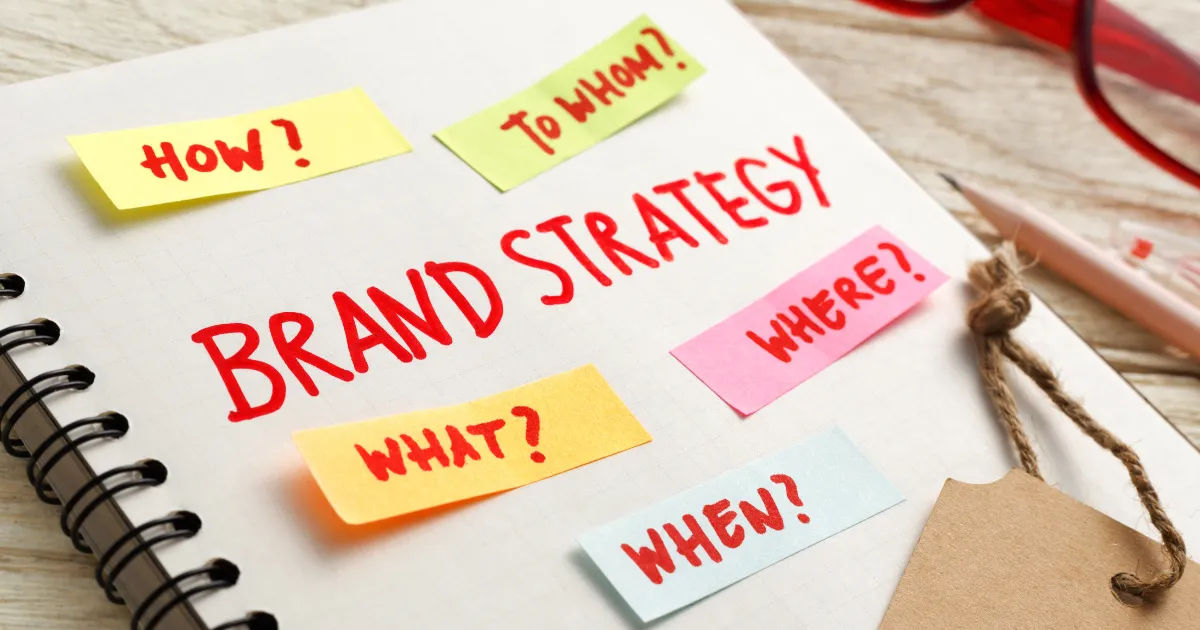
A strong brand can help a company stand out from competitors, build trust, attract customers, and create a consistent experience across different platforms.
But what exactly does a branding agency do? What services does it provide, and why do businesses need one? This comprehensive guide explains the main responsibilities of a branding agency and how its work can help a business grow.
What Is a Branding Agency?
A branding agency is a company that specializes in creating and improving the identity of businesses, organizations, products, or services.
Its goal is to make a business recognizable and meaningful to its target audience. The agency studies the business, its customers, its competitors, and its market before developing a branding strategy.
Branding professionals may work on visual elements such as logos, colors, fonts, packaging, and website design. They can also work on non-visual elements, including brand messaging, tone of voice, values, and positioning.
A good branding strategy connects all these elements into one clear identity.
For example, imagine two companies selling similar products. One has a clear logo, professional packaging, consistent colors, a memorable message, and a strong online presence. The other uses different designs and messages across every platform.
Customers are more likely to remember and trust the first company because its identity feels consistent and professional.
Why Do Businesses Need Professional Branding?
Branding helps businesses communicate who they are and what they offer. Without a clear identity, customers may struggle to understand what makes a company different.
A professional Branding Agency can help solve this problem by creating a consistent image and message.
Strong branding can provide several benefits.
Building Brand Recognition
Brand recognition means customers can identify a company when they see its logo, colors, packaging, advertisements, or other visual elements.
Think about major companies that are instantly recognizable. Their branding is consistent across websites, advertisements, products, social media, and physical locations.
A consistent identity makes it easier for customers to remember a business.
Creating Customer Trust
Customers often judge a business based on its presentation. A professional and consistent brand can create a sense of reliability.
This does not mean attractive design alone guarantees success. However, professional branding can help communicate that a business takes its products, services, and customers seriously.
Standing Out From Competitors
Most industries are competitive. Customers may have many businesses to choose from.
A strong brand can help a company communicate what makes it different.
A Branding Agency researches competitors and identifies opportunities for a business to develop a unique position in the market.
Supporting Business Growth
Good branding can also support long-term growth. As a business adds products, services, employees, or locations, a clear brand identity provides a foundation for consistent communication.
Instead of creating a completely different image every time the business grows, the company can build on an established identity.
What Services Does a Branding Agency Provide?
The services offered can vary depending on the agency and the needs of the client. Some agencies focus mainly on visual identity, while others provide complete brand strategy and marketing support.
Here are some of the most common services.
Brand Strategy
Brand strategy is often one of the first steps in professional branding.
Before designing a logo or choosing colors, professionals need to understand the business.
A brand strategy may define the company's purpose, values, target audience, market position, personality, and long-term goals.
Target Audience Research
A business cannot communicate effectively without understanding its customers.
A branding team may research the target audience's age, interests, needs, preferences, problems, and buying behavior.
This information helps determine how the brand should communicate.
For example, a brand targeting teenagers may use a different communication style from a company selling professional financial services to business owners.
Competitor Research
Competitor analysis is another important part of brand strategy.
The agency examines how competing businesses present themselves. It may review their websites, logos, advertisements, social media, messaging, packaging, and customer experience.
The purpose is not to copy competitors. Instead, the goal is to identify ways for the client to create a distinctive position.
Brand Positioning
Brand positioning explains where a company belongs in the market and why customers should choose it.
A business might position itself around affordability, premium quality, innovation, convenience, expertise, sustainability, or another important benefit.
Clear positioning gives the brand a stronger direction.
Logo Design
Logo design is one of the most recognizable services associated with branding.
A logo is a visual symbol that represents a business. However, an effective logo should do more than look attractive.
It should be appropriate for the business, easy to recognize, and flexible enough to work in different sizes and formats.
A professional designer considers shape, typography, spacing, color, and overall balance.
The logo may appear on websites, business cards, product packaging, social media profiles, signs, advertisements, uniforms, and other materials.
Visual Identity Design
A logo is only one part of a brand's visual identity.
A complete visual identity may include:
-
Color palettes
-
Typography
-
Logo variations
-
Photography style
-
Illustration style
-
Icons
-
Graphic elements
-
Patterns
-
Packaging design
-
Social media graphics
These elements work together to create a consistent appearance.
A Branding Agency may create detailed guidelines explaining how these visual elements should be used.
Brand Guidelines
Brand guidelines are instructions that help businesses maintain consistency.
They may explain how to use the logo, which colors to select, which fonts to use, and how images should be presented.
The guidelines can also describe the brand's tone of voice and communication style.
This becomes especially useful when multiple employees, designers, marketing teams, or outside companies create content for the same business.
Without guidelines, different departments may use different colors, fonts, messages, or logo versions.
Naming and Tagline Development
Some branding agencies also help businesses choose names and taglines.
A company name should be memorable, relevant, and suitable for the intended market.
A tagline is a short phrase that communicates an important idea about the brand.
Developing a strong name or tagline requires creativity as well as research. Businesses may need to consider pronunciation, meaning, cultural differences, domain availability, and trademark concerns.
Brand Messaging
Brand messaging focuses on what a business says to its audience.
It may include the company's mission statement, value proposition, key messages, product descriptions, advertising language, and communication style.
The goal is to make the company's message clear and consistent.
For example, a business may want to sound friendly and approachable. Another company may want to communicate expertise and authority.
The messaging should match the brand's personality and audience.
Tone of Voice
Tone of voice describes how a brand communicates through words.
A company may use a professional, friendly, educational, energetic, serious, humorous, or conversational tone.
A Branding Agency can create rules for maintaining that tone across websites, emails, advertisements, social media, and customer communications.
This helps customers experience the same personality wherever they interact with the company.
Website and Digital Branding
Modern branding extends into digital spaces.
A website is often one of the first places customers interact with a business. Its design, content, navigation, images, and overall experience should reflect the brand.
A branding team may work alongside web designers and developers to ensure the digital experience matches the company's identity.
Digital branding can also include social media profiles, email templates, digital advertisements, mobile applications, and online content.
Packaging and Product Branding
For businesses that sell physical products, packaging can be an important part of branding.
Packaging communicates information while also influencing how customers perceive the product.
A professional branding team may develop packaging designs that match the company's overall identity.
For example, a premium product might use a sophisticated visual style, while a children's product may require a brighter and more playful approach.
Packaging should remain attractive while also being practical and easy to understand.
Rebranding Services
Sometimes an existing business needs to update its identity. This process is known as rebranding.
Rebranding can happen for many reasons.
A company may have changed its target market, expanded its services, merged with another business, entered a new industry, or developed an outdated visual identity.
A Branding Agency can evaluate the existing brand and determine what should remain and what needs to change.
Rebranding does not always mean completely replacing everything. Sometimes a business only needs a refined logo, updated colors, clearer messaging, or a better positioning strategy.
How Does a Branding Agency Work?
The branding process usually begins with research.
The agency meets with the client to understand its business, goals, customers, competitors, products, and challenges.
Next, the team develops strategic ideas. These ideas help establish the brand's direction before major design work begins.
After the strategy is approved, designers and writers begin creating the visual and verbal identity.
The client usually reviews concepts and provides feedback. The agency then makes appropriate adjustments.
Once the identity is finalized, brand guidelines and supporting materials can be created.
The exact process varies, but effective branding generally requires research, strategy, creativity, collaboration, and testing.
What Is the Difference Between a Branding Agency and a Marketing Agency?
Branding and marketing are closely connected, but they are not exactly the same.
Branding focuses on defining who a company is and how people should perceive it.
Marketing focuses more heavily on promoting products or services and generating attention, leads, sales, or other measurable results.
For example, branding may establish a company's personality, visual identity, and message. Marketing may use advertisements, email campaigns, search engine optimization, and social media to reach customers.
A strong brand can make marketing campaigns more effective because customers already understand what the company represents.
When Should a Business Hire a Branding Agency?
A business may benefit from professional branding at different stages.
Starting a New Business
New businesses often need to establish an identity from the beginning.
Professional branding can help a startup create a clear position and avoid inconsistent design choices.
Entering a New Market
Businesses entering new regions or industries may need to adjust their identity or messaging.
Research can help determine whether the existing brand is suitable for the new audience.
Experiencing Slow Growth
If a company struggles to stand out, unclear branding may be one factor.
A branding professional can review the company's current identity and identify opportunities for improvement.
Updating an Outdated Identity
Design trends and customer expectations change over time.
An identity that looked modern many years ago may no longer represent the business effectively.
Refreshing the brand can help the company remain relevant without losing its established recognition.
How Much Does Branding Cost?
The cost of branding depends on many factors.
A small project involving a basic logo may cost considerably less than a complete brand strategy, visual identity, packaging system, website design, and brand guidelines.
Agency experience, project complexity, research requirements, number of deliverables, timeline, and business size can all influence the price.
Businesses should focus on the value and scope of the work rather than selecting an agency based only on the lowest price.
A cheap project that fails to communicate effectively may require additional work later.
How to Choose the Right Branding Agency
Choosing the right agency is an important decision.
Start by reviewing its portfolio. Look for projects that demonstrate creativity, strategic thinking, and consistency.
Check whether the agency has experience working with businesses similar to yours.
It is also useful to understand its process. A good agency should be able to explain how it conducts research, develops strategy, handles feedback, and delivers final materials.
Communication is another important factor.
The agency should listen carefully to your goals rather than simply pushing a design it prefers.
You should also clarify the project scope, timeline, deliverables, revisions, and costs before starting.
Common Mistakes Businesses Make With Branding
One common mistake is focusing only on the logo.
Although a logo is important, branding includes many other elements.
Another mistake is copying competitors. A business should understand its competitors but still develop its own identity.
Inconsistency is another major problem. Using different colors, messages, fonts, and designs across platforms can weaken recognition.
Some businesses also try to appeal to everyone. A clearer target audience usually makes communication more effective.
Finally, businesses sometimes change their identity too frequently. Branding requires consistency and time to build recognition.
The Long-Term Value of Professional Branding
Branding is not simply a one-time design project.
A strong identity can become a long-term business asset.
When customers repeatedly encounter consistent visuals and messages, they become more familiar with the company.
Over time, that familiarity can contribute to recognition, trust, loyalty, and stronger customer relationships.
A professional Branding Agency helps businesses create a foundation that can support these long-term goals.
Conclusion
So, what does a branding agency do? In simple terms, it helps businesses define who they are, communicate their value, and create a consistent identity that customers can recognize.
The work can include brand strategy, audience research, competitor analysis, logo design, visual identity, messaging, tone of voice, packaging, digital branding, guidelines, and rebranding.
The most valuable part of professional branding is not simply creating attractive visuals. It is connecting strategy with design and communication.
A successful brand should reflect the company's goals while also making sense to its target audience.
For a new business, professional branding can create a strong foundation. For an established company, it can improve consistency and modernize an outdated identity. For a growing organization, it can provide the structure needed to communicate across new products, markets, and platforms.
Choosing the right Branding Agency therefore requires careful consideration. Businesses should look for experience, strategic thinking, communication skills, creativity, and a clear process.
When these elements work together, branding becomes more than a logo or color scheme. It becomes a complete identity that helps a business present itself confidently and consistently.