

Recovering after surgery is a gradual process that requires patience, proper medical guidance, and consistent care. Post-surgical rehabilitation at home Karachi has become a preferred option for many patients because it provides professional rehabilitation services in the comfort of home. Instead of traveling to a clinic while recovering, patients receive personalized treatment that supports healing, reduces pain, and restores mobility in a familiar environment.
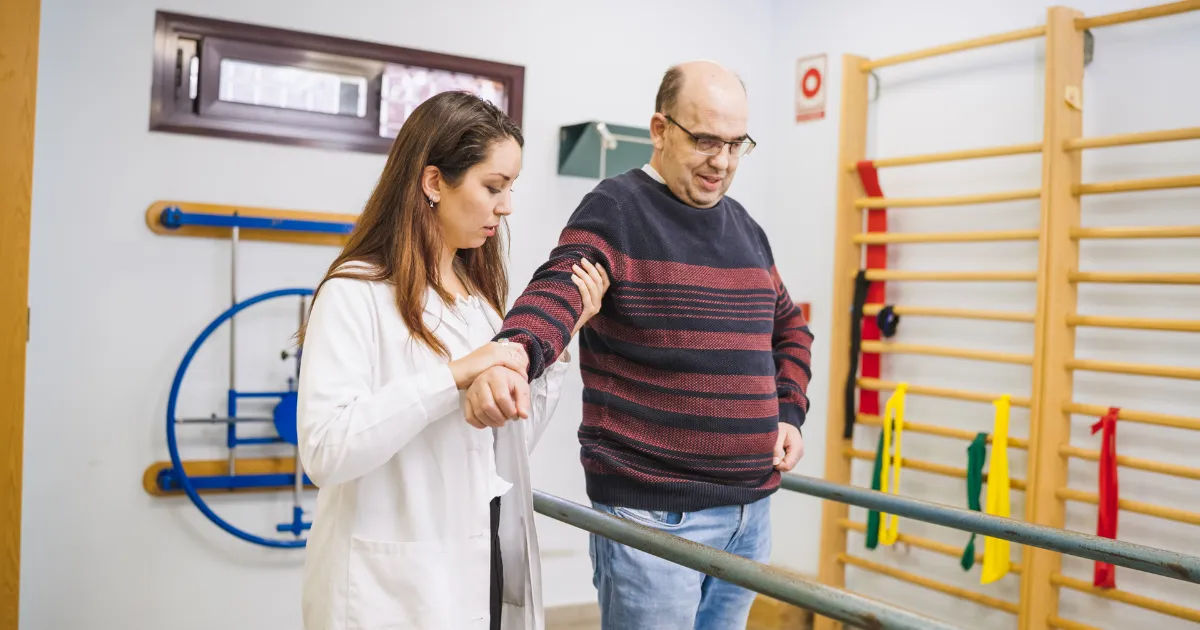
Whether someone has undergone orthopedic surgery, joint replacement, spinal surgery, abdominal surgery, or another medical procedure, Post-surgical rehabilitation at home Karachi focuses on improving strength, flexibility, balance, and overall physical function. Every rehabilitation plan is customized according to the patient's condition, surgical procedure, and recovery goals.
Post-Surgical Rehabilitation
Post-surgical rehabilitation is a structured recovery program designed to help patients regain normal movement and independence after surgery. The program usually begins once the surgeon confirms that rehabilitation is safe.
Professional physiotherapists assess the patient's condition and create a treatment plan that gradually improves mobility while protecting the healing tissues. The overall objective is to reduce pain, prevent complications, and help patients return to their daily activities safely.
Why Home-Based Rehabilitation Is Becoming Popular
Many patients prefer home rehabilitation because traveling immediately after surgery can be uncomfortable and even risky. Post-surgical rehabilitation at home Karachi offers several advantages that make recovery easier.
These include:
- Personalized one-on-one care
- Comfortable home environment
- Reduced travel stress
- Lower exposure to infections
- Flexible appointment scheduling
- Individual treatment plans
- Better family involvement during recovery
Receiving therapy at home also allows therapists to evaluate how patients perform everyday activities within their actual living environment.
The Initial Assessment
The first session is one of the most important parts of Post-surgical rehabilitation at home Karachi.
During the assessment, the physiotherapist carefully reviews:
- Medical history
- Type of surgery
- Current medications
- Pain intensity
- Swelling
- Muscle strength
- Joint movement
- Walking ability
- Balance
- Functional limitations
The therapist may also review the surgeon's instructions and any rehabilitation precautions that must be followed during recovery.
Based on these findings, a personalized rehabilitation plan is developed.
Setting Recovery Goals
Every patient recovers at a different pace. Therefore, realistic goals are established according to the patient's age, overall health, and surgical procedure.
Common rehabilitation goals include:
- Reducing pain
- Controlling swelling
- Restoring joint mobility
- Improving muscle strength
- Increasing flexibility
- Regaining balance
- Walking independently
- Returning to work
- Performing daily activities safely
Clear goals help both the patient and therapist measure recovery progress.
Pain Management During Rehabilitation
Pain management is an essential component of Post-surgical rehabilitation at home Karachi.
Physiotherapists use several safe techniques to minimize discomfort while promoting healing.
These may include:
- Gentle movement exercises
- Positioning techniques
- Ice or heat therapy (when appropriate)
- Soft tissue mobilization
- Controlled stretching
- Breathing exercises
- Relaxation techniques
Pain levels are continuously monitored so treatment remains safe and effective.
Swelling Control
Swelling is common after surgery and may delay recovery if not properly managed.
Therapists often recommend:
- Elevating the affected limb
- Gentle range-of-motion exercises
- Compression garments when prescribed
- Light muscle activation exercises
- Proper positioning during rest
Managing swelling improves circulation and allows patients to move more comfortably.
Restoring Joint Movement
After surgery, joints often become stiff because of pain and inactivity.
One of the main objectives of Post-surgical rehabilitation at home Karachi is restoring normal joint movement through gradual exercises.
These exercises may include:
- Passive range-of-motion exercises
- Active-assisted movements
- Active mobility exercises
- Gentle stretching
Improved flexibility helps patients regain normal function while preventing long-term stiffness.
Strengthening Weak Muscles
Muscles become weaker after surgery due to reduced activity.
Strengthening exercises are introduced gradually depending on healing progress.
Examples include:
- Isometric exercises
- Resistance band exercises
- Bodyweight exercises
- Functional strengthening
- Core stabilization
Building strength improves mobility and supports the healing joints.
Improving Walking Ability
Many patients need assistance walking after surgery.
The physiotherapist evaluates walking patterns and teaches proper techniques.
Walking training may involve:
- Walker training
- Crutch training
- Cane instruction
- Stair climbing practice
- Balance exercises
- Weight-bearing progression
These exercises help patients regain confidence while reducing the risk of falls.
Balance and Coordination Training
Balance often decreases after surgery due to weakness and limited movement.
Therapists include exercises that improve:
- Standing stability
- Weight shifting
- Coordination
- Single-leg balance
- Functional mobility
Better balance helps prevent injuries during recovery.
Functional Training for Daily Activities
A major focus of Post-surgical rehabilitation at home Karachi is helping patients perform normal daily tasks independently.
Therapists teach safe techniques for:
- Sitting and standing
- Getting in and out of bed
- Using stairs
- Bathing safely
- Dressing
- Cooking
- Household activities
This practical training makes recovery more meaningful because patients improve in real-life situations.
Breathing Exercises
Certain surgeries, especially chest or abdominal procedures, may affect breathing.
Physiotherapists teach breathing exercises that help:
- Improve lung expansion
- Prevent chest complications
- Increase oxygen intake
- Reduce fatigue
- Improve relaxation
These exercises support overall recovery and reduce postoperative respiratory risks.
Scar Tissue Management
As surgical wounds heal, scar tissue develops.
Once approved by the surgeon, therapists may introduce scar management techniques that improve tissue flexibility and reduce discomfort.
Scar care may include:
- Gentle scar massage
- Mobility exercises
- Skin stretching techniques
- Education about proper scar care
Proper scar management helps improve movement and comfort.
Patient Education
Education is one of the most valuable aspects of Post-surgical rehabilitation at home Karachi.
Patients learn how to:
- Protect the surgical area
- Avoid harmful movements
- Follow weight-bearing restrictions
- Perform exercises correctly
- Recognize warning signs
- Improve posture
- Maintain proper body mechanics
Well-informed patients often recover more confidently and safely.
Home Exercise Program
Recovery continues between therapy sessions.
Patients receive personalized home exercises that reinforce the treatment performed during each visit.
These exercises may include:
- Stretching routines
- Strengthening exercises
- Walking programs
- Balance practice
- Joint mobility exercises
Following the exercise plan consistently often leads to better long-term results.
Monitoring Recovery Progress
Recovery is monitored throughout the rehabilitation program.
The therapist regularly evaluates:
- Pain reduction
- Swelling improvement
- Muscle strength
- Joint flexibility
- Walking ability
- Functional independence
- Balance
- Endurance
Adjustments are made whenever necessary to keep the rehabilitation program effective.
Emotional Support During Recovery
Surgery affects both physical and emotional well-being.
Some patients experience anxiety, frustration, or fear about their recovery.
Regular sessions during Post-surgical rehabilitation at home Karachi provide encouragement and motivation, helping patients remain committed to their recovery goals.
Family members can also participate by providing emotional support and assisting with exercises when appropriate.
Common Surgeries That Benefit from Home Rehabilitation
Many surgical procedures benefit from professional rehabilitation at home.
These include:
- Knee replacement surgery
- Hip replacement surgery
- Shoulder surgery
- Spine surgery
- Fracture repair
- Ligament reconstruction
- Tendon repair
- Abdominal surgery
- Cardiac surgery
- Neurological surgery
Each rehabilitation program is adjusted according to the specific surgical procedure.
Safety Measures During Home Rehabilitation
Safety remains the highest priority throughout recovery.
Therapists ensure that exercises are performed correctly while monitoring for complications.
Patients are advised to report symptoms such as:
- Severe pain
- Increasing swelling
- Fever
- Redness around the surgical site
- Difficulty breathing
- Sudden weakness
- Excessive bleeding
Prompt communication with healthcare providers helps prevent serious complications.
The Role of Family Members
Family support plays an important role during recovery.
Loved ones can assist by:
- Encouraging exercise compliance
- Helping with mobility
- Maintaining a safe home environment
- Assisting with transportation if needed
- Supporting healthy nutrition
- Monitoring recovery progress
Their involvement often improves motivation and confidence.
Tips for Faster Recovery
Successful recovery depends on consistent healthy habits.
Helpful tips include:
- Follow the therapist's instructions.
- Take medications as prescribed.
- Stay hydrated.
- Eat nutritious meals rich in protein.
- Get enough sleep.
- Avoid smoking.
- Perform exercises regularly.
- Attend every therapy session.
- Avoid overexertion.
- Communicate any concerns promptly.
These simple habits support healing and improve rehabilitation outcomes.
How Long Does Rehabilitation Take?
Recovery time varies depending on several factors.
These include:
- Type of surgery
- Age
- General health
- Severity of the condition
- Commitment to therapy
- Presence of other medical conditions
Some patients recover within a few weeks, while others may require several months of rehabilitation. Regular assessments help determine whether treatment goals are being achieved and whether the rehabilitation program needs adjustments.
Signs of Successful Recovery
As rehabilitation progresses, patients often notice gradual improvements.
Positive signs include:
- Less pain
- Reduced swelling
- Better flexibility
- Increased strength
- Improved balance
- Easier walking
- Greater independence
- Higher confidence during daily activities
These improvements indicate that rehabilitation is supporting the body's natural healing process.
Conclusion
Recovering after surgery requires more than simply resting. A structured rehabilitation program helps restore strength, mobility, confidence, and independence while reducing the risk of complications. Post-surgical rehabilitation at home Karachi offers personalized care that allows patients to recover safely in their own homes under the supervision of qualified physiotherapists. Through detailed assessments, pain management, strengthening exercises, balance training, mobility improvement, patient education, and ongoing progress monitoring, this approach supports a smoother and more comfortable recovery. By following professional guidance, staying committed to prescribed exercises, and maintaining healthy lifestyle habits, patients can maximize their recovery and safely return to their normal routines with improved physical function and quality of life.