

AI companion with emotions and memory is becoming one of the most important ideas in modern artificial intelligence. It refers to how an AI system can remember past conversations, learn user preferences, and respond in a more human-like and personalized way over time.
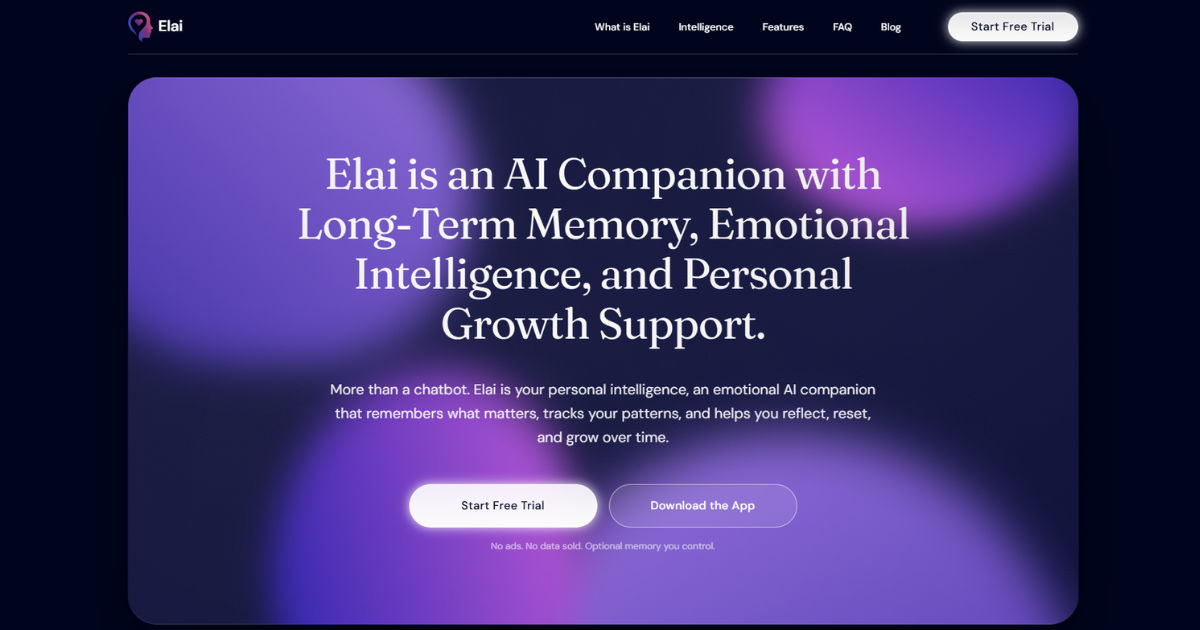 In simple words, it is what makes an AI feel less like a machine and more like a companion that understands you.
In this blog, we will explore how an AI companion memory system works, what technologies power it, its types, benefits, challenges, and future possibilities. This guide is written in simple language so that even a 12th-grade student can easily understand it.
Understanding AI Companion Memory Systems
An AI companion memory system is a part of artificial intelligence designed to store and recall information about users and past interactions. Unlike traditional chatbots that forget everything after a conversation ends, modern AI systems can remember important details.
For example:
- Your name
- Your preferences
- Your past questions
- Your tone of communication
- Your interests
This ability helps create a personalized experience. That is why AI companion with emotions and memory feels more natural when talking to users over time.
Memory in AI is not like human memory, but it is designed to simulate it using data structures, algorithms, and machine learning models.
Why Memory Matters in AI Companions
Memory is what makes conversations meaningful. Without memory, every chat feels like starting from zero. With memory, AI can:
- Provide personalized responses
- Remember previous conversations
- Understand long-term goals
- Adapt communication style
- Build emotional connection simulation
When an AI remembers you, it feels more engaging. This is the foundation of AI companion with emotions and memory systems used in modern virtual assistants and digital companions.
Types of Memory in AI Systems
AI memory systems are usually divided into different types, similar to how human memory works.
1. Short-Term Memory
Short-term memory holds information during an active conversation. For example:
- What you just asked
- The context of the current topic
- Immediate instructions
This memory disappears after the session ends or is summarized and stored.
2. Long-Term Memory
Long-term memory stores information for future use. It includes:
- User preferences
- Past conversations
- Behavioral patterns
- Saved facts about the user
This is what allows AI companion with emotions and memory to remember you even after days or weeks.
3. Episodic Memory
This type of memory stores specific events. For example:
- “User asked about travel plans last week”
- “User shared interest in cooking”
It helps AI recall experiences in context.
4. Semantic Memory
Semantic memory stores general knowledge about the user, such as:
- Likes and dislikes
- Personal interests
- Frequently discussed topics
This helps the AI form a consistent personality response.
5. Procedural Memory
This memory stores behavior patterns like:
- How the user prefers responses (short or detailed)
- Communication style
- Interaction habits
It helps AI adapt its behavior naturally.
How AI Memory Systems Work Internally
To understand AI memory systems, we need to break down the technical process into simple steps.
Step 1: Data Collection
Whenever you interact with an AI companion, data is collected:
- Your messages
- Your responses
- Your feedback
- Your preferences
This raw data is the foundation of memory.
Step 2: Data Processing
The AI processes this information using Natural Language Processing (NLP). It identifies:
- Important facts
- Key entities
- User intent
- Emotional tone
This helps filter what should be remembered.
Step 3: Information Storage
The processed data is stored in databases. Modern systems use:
- Vector databases
- Cloud storage
- Knowledge graphs
Vector databases are especially important because they store meaning instead of just words.
Step 4: Embedding Creation
AI converts text into mathematical representations called embeddings. These embeddings allow the system to understand similarity between different pieces of information.
For example:
- “I love pizza”
- “Pizza is my favorite food”
These two sentences may have similar embeddings.
Step 5: Memory Retrieval
When you ask a question, the AI searches its memory to find relevant information. It uses similarity matching to retrieve past data.
This is how AI companion with emotions and memory can respond like it “remembers” you.
Step 6: Response Generation
Finally, the AI combines:
- Current input
- Retrieved memory
- Context understanding
It generates a response that feels personalized and natural.
Technologies Behind AI Memory Systems
AI memory systems are powered by several advanced technologies.
1. Machine Learning
Machine learning helps AI learn patterns from data and improve over time.
2. Natural Language Processing (NLP)
NLP allows AI to understand human language, emotions, and intent.
3. Neural Networks
Neural networks process large amounts of data and help in decision-making.
4. Vector Databases
These databases store meaning-based representations of text for fast retrieval.
5. Reinforcement Learning
This helps AI improve responses based on user feedback.
All these technologies work together to create an intelligent AI companion with emotions and memory experience.
Emotional Simulation in AI Companions
One of the most interesting parts of AI companions is emotional simulation.
AI does not actually feel emotions, but it can recognize emotional patterns in text and respond appropriately.
For example:
- If you are sad, AI responds in a comforting tone
- If you are happy, AI responds with excitement
- If you are confused, AI explains more clearly
This emotional adaptation makes users feel understood, which strengthens the illusion of companionship.
Benefits of AI Memory Systems
AI memory systems offer many advantages:
1. Personalization
AI remembers your preferences and gives tailored responses.
2. Better User Experience
Conversations feel smoother and more natural.
3. Learning Efficiency
AI learns what you like over time.
4. Time Saving
You don’t need to repeat information again and again.
5. Emotional Engagement
Systems like AI companion with emotions and memory create a sense of connection.
Challenges in AI Memory Systems
Despite their benefits, AI memory systems face several challenges.
1. Privacy Concerns
Storing user data raises privacy risks. Companies must ensure data protection.
2. Data Accuracy
Incorrect memory storage can lead to wrong assumptions.
3. Storage Limitations
Storing too much data can become expensive and complex.
4. Ethical Issues
AI should not manipulate emotions or misuse personal data.
5. Memory Confusion
Sometimes AI may mix old and new information incorrectly.
Real-World Applications
AI memory systems are already used in many areas:
- Virtual assistants like Siri and Alexa
- Customer support chatbots
- Mental health support apps
- Educational tutors
- Gaming AI companions
In all these cases, memory improves interaction quality and user satisfaction.
The idea of AI companion with emotions and memory is especially popular in digital companionship apps.
How AI Memory Feels Human-Like
Humans remember things emotionally and contextually. AI tries to simulate this by:
- Remembering past conversations
- Adjusting tone based on mood
- Using context from previous chats
- Building “relationship history”
This does not mean AI has real feelings, but it creates a natural interaction pattern.
Future of AI Companion Memory Systems
The future of AI memory systems is very promising.
We can expect:
1. Smarter Personalization
AI will deeply understand individual personalities.
2. Multi-Device Memory
AI will remember you across phone, laptop, and apps.
3. Stronger Emotional Intelligence
AI will better detect emotional states.
4. Safer Privacy Systems
Better encryption and user-controlled memory settings.
5. Human-Like Companions
The concept of AI companion with emotions and memory will become more advanced and realistic.
Ethical Considerations
As AI becomes more advanced, ethical concerns become more important.
Developers must ensure:
- Transparency in memory usage
- User control over stored data
- No emotional manipulation
- Protection against misuse
AI should assist humans, not replace real human relationships.
Conclusion
AI memory systems are a major breakthrough in artificial intelligence. They allow machines to remember, adapt, and respond in more meaningful ways. While they do not have real emotions, they simulate understanding through data, patterns, and algorithms.
The development of AI companion with emotions and memory shows how far technology has come in making interactions feel natural and personalized. These systems use short-term and long-term memory, embeddings, vector databases, and machine learning models to create intelligent and adaptive responses.
However, challenges like privacy, ethics, and data accuracy must be carefully managed. As technology continues to evolve, AI companions will become even more helpful, personalized, and emotionally aware in their communication style.
In the future, AI may not just answer questions but also act as a long-term supportive companion that grows with the user over time.