

Façade engineering is a critical aspect of modern construction, playing a vital role in both the aesthetic appeal and structural performance of buildings.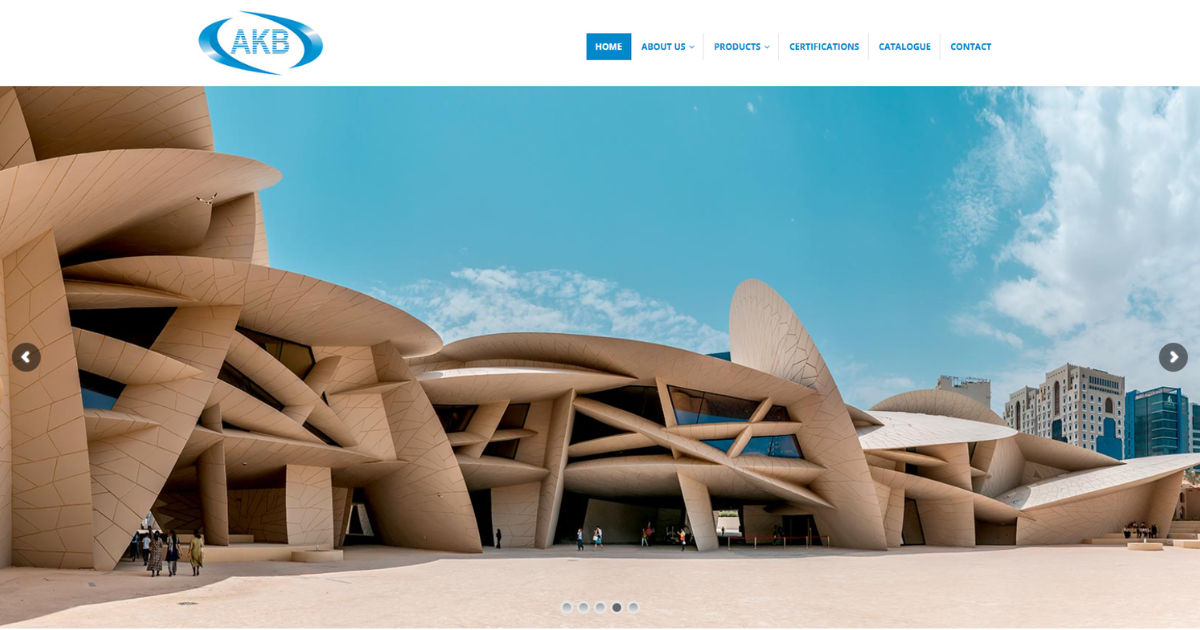
Akbari Engineering has become a leading name in this field, emphasizing innovative designs, safety, and sustainability in façade solutions.
In this guide, we will explore what façade engineering is, its importance, processes, materials, design considerations, challenges, and future trends, all explained in simple terms for anyone with a 12th-grade understanding.
Façade Engineering
Façade engineering refers to the discipline that focuses on the exterior “skin” of a building. The façade is not just about appearance; it also affects energy efficiency, safety, comfort, and structural integrity. Engineers in this field combine principles from architecture, structural engineering, and material science to create building envelopes that meet both aesthetic and functional requirements.
The role of Akbari Engineering in façade design demonstrates how modern construction is evolving. They integrate advanced technologies and sustainable materials to create facades that are visually striking, durable, and environmentally responsible.
Importance of Façade Engineering
The façade of a building is often the first thing people notice, but its significance goes beyond looks. A well-engineered façade provides:
- Energy Efficiency – Proper façade design helps regulate heat and light entering the building, reducing energy costs.
- Weather Protection – It acts as a barrier against rain, wind, and UV radiation, preserving the interior environment.
- Structural Support – Some façade systems contribute to the building’s stability and can even absorb structural loads.
- Safety and Fire Protection – Advanced facades improve fire resistance and prevent accidents.
- Noise Reduction – High-quality façades reduce the infiltration of external noise, ensuring comfort for occupants.
Akbari Engineering emphasizes these benefits in every project, ensuring that their designs not only look impressive but also perform efficiently under various environmental conditions.
Types of Façade Systems
Façade systems are broadly categorized based on materials and functions. Understanding these types is essential for anyone interested in construction or engineering.
1. Curtain Wall Systems
Curtain walls are non-structural cladding systems, typically made of glass, aluminum, or steel. They are hung from the building’s frame like a curtain. Curtain walls allow natural light while maintaining thermal and acoustic insulation.
Akbari Engineering specializes in designing curtain walls that combine elegance with performance, ensuring safety and energy efficiency.
2. Cladding Systems
Cladding involves applying an external layer of material, such as stone, metal, or composite panels, to protect the structure and enhance aesthetics. Cladding materials are chosen based on durability, maintenance, and design appeal.
3. Double-Skin Façades
Double-skin façades have two layers of glazing with a cavity in between. This design improves insulation and can be integrated with ventilation systems to enhance energy efficiency.
4. Solar Façades
Solar façades incorporate photovoltaic panels into the building envelope, generating electricity while providing shading and aesthetic value. This approach aligns with modern sustainability goals.
5. Green Façades
Green façades integrate vegetation, such as climbing plants or vertical gardens, into the building exterior. They improve air quality, reduce heat, and enhance the visual appeal of urban spaces.
Key Materials Used in Façade Engineering
The choice of materials is fundamental to successful façade engineering. Each material comes with its own benefits and limitations.
1. Glass
Glass is the most common material in modern façades. Engineers consider factors such as transparency, insulation, safety, and resistance to impact or fire. Low-emissivity glass and laminated safety glass are commonly used.
2. Aluminum
Aluminum is lightweight, corrosion-resistant, and versatile, making it ideal for curtain walls and cladding frames.
3. Steel
Steel offers high strength and durability. It is used in structural components of façades and for support in large-scale projects.
4. Stone and Concrete
Stone and precast concrete provide durability, thermal mass, and a natural aesthetic. They are often used in luxury projects or buildings requiring high fire resistance.
5. Composites
Materials such as aluminum composite panels combine strength, lightness, and flexibility, making them suitable for creative façade designs.
Akbari Engineering carefully selects materials based on climate, building type, and client requirements, ensuring longevity and visual appeal.
Design Process in Façade Engineering
Designing a façade is a complex process that involves multiple stages and collaboration among architects, engineers, and contractors.
1. Conceptual Design
The initial phase involves defining the aesthetic and functional goals. Architects sketch concepts while engineers provide input on structural feasibility and performance.
2. Material Selection
Choosing the right materials involves balancing cost, performance, and appearance. Factors like insulation, fire resistance, and maintenance are considered.
3. Structural Analysis
Engineers perform structural calculations to ensure the façade can withstand wind, seismic forces, and other loads without compromising safety.
4. Energy Simulation
Energy modeling predicts how the façade affects lighting, heating, cooling, and ventilation. This ensures optimal energy efficiency.
5. Detailed Design and Fabrication
Once materials and structure are finalized, detailed drawings are created. Prefabricated elements are manufactured offsite for faster and more precise installation.
6. Installation and Quality Control
Installation is closely monitored to ensure safety and adherence to design specifications. Quality control checks include water tightness, thermal performance, and alignment.
Akbari Engineering follows this process meticulously, combining innovation with rigorous standards.
Challenges in Façade Engineering
Façade engineering is not without its challenges. Professionals must navigate several technical, environmental, and regulatory hurdles.
1. Climate and Weather Conditions
Façades must perform under extreme temperatures, wind loads, rain, and UV exposure. Engineers design solutions tailored to the local climate.
2. Sustainability Requirements
Modern buildings require environmentally responsible façades. This involves selecting low-carbon materials and energy-efficient systems.
3. Structural Limitations
Some architectural designs push the limits of what is structurally feasible. Engineers must innovate while ensuring safety.
4. Budget Constraints
Balancing aesthetics, performance, and cost is a major challenge. Optimizing materials and design is essential to meet client budgets.
5. Maintenance Considerations
Façades must be easy to clean and maintain. Engineers design systems with durability and accessibility in mind.
Akbari Engineering addresses these challenges through research, technology, and sustainable solutions.
Role of Technology in Modern Façade Engineering
Technology has transformed façade engineering, making complex designs possible while improving performance and safety.
1. BIM (Building Information Modeling)
BIM allows engineers to create detailed digital models, simulating performance and identifying potential issues before construction.
2. Advanced Glazing Technologies
Smart glass, double-glazing, and energy-efficient coatings enhance thermal comfort and reduce energy consumption.
3. Prefabrication and Modular Construction
Offsite fabrication of façade panels improves precision, reduces waste, and speeds up construction timelines.
4. Structural Simulation Software
Simulation tools predict how façades respond to wind, seismic activity, and load changes, ensuring structural integrity.
Akbari Engineering integrates these technologies to deliver innovative, efficient, and safe façade solutions.
Regulatory and Safety Considerations
Façade engineering must comply with building codes and safety regulations. These include fire resistance, structural performance, thermal insulation, and accessibility. Engineers perform testing and certification to ensure compliance.
Case Studies of Modern Façade Engineering
Modern cities showcase façades as a combination of art and engineering. Skyscrapers, commercial complexes, and sustainable residential buildings demonstrate the role of façade engineering in shaping urban landscapes.
For example, glass curtain walls in iconic skyscrapers allow panoramic views and natural lighting while ensuring thermal insulation and safety. Similarly, double-skin façades in office buildings reduce energy consumption and improve indoor comfort.
Akbari Engineering has contributed to several high-profile projects, incorporating innovative materials, sustainable solutions, and advanced designs.
Future Trends in Façade Engineering
The future of façade engineering is moving toward sustainability, smart technologies, and aesthetics.
- Smart Façades – Integrating sensors and automated systems to optimize lighting, heating, and ventilation.
- Bio-Inspired Designs – Mimicking natural structures for efficiency and beauty.
- Energy-Generating Façades – Expanding the use of solar panels and energy-harvesting technologies.
- Lightweight, High-Performance Materials – Advanced composites and nanomaterials will enhance durability and flexibility.
- Sustainability Focus – Greater emphasis on low-carbon materials, recycling, and environmental responsibility.
Akbari Engineering stays at the forefront of these trends, delivering façades that meet modern demands while pushing creative boundaries.
Conclusion
Façade engineering is a multidisciplinary field combining aesthetics, performance, and safety in building exteriors. It plays a critical role in energy efficiency, occupant comfort, structural stability, and environmental sustainability. From curtain walls and cladding to green façades and smart technologies, engineers are shaping the future of urban construction.
Companies like Akbari Engineering demonstrate the impact of expertise, innovation, and sustainability in façade design. By carefully selecting materials, integrating advanced technologies, and following rigorous design and quality control processes, they ensure buildings are not only visually impressive but also durable, safe, and energy-efficient.
As urban landscapes continue to evolve, façade engineering will remain a cornerstone of modern architecture. Understanding its principles helps architects, engineers, and construction enthusiasts appreciate the complexity, creativity, and importance behind the structures that define our cities.
With the rapid adoption of sustainable and smart technologies, the future of façade engineering promises buildings that are adaptive, eco-friendly, and aesthetically remarkable, transforming skylines worldwide.