

Online gambling-related content has grown rapidly, especially terms like “slot gacor,” which is often used to suggest that certain slot games are “hot,” “easy to win,” or “predictably profitable.”
While this language may sound appealing, much of it is misleading or designed to attract clicks rather than provide honest information.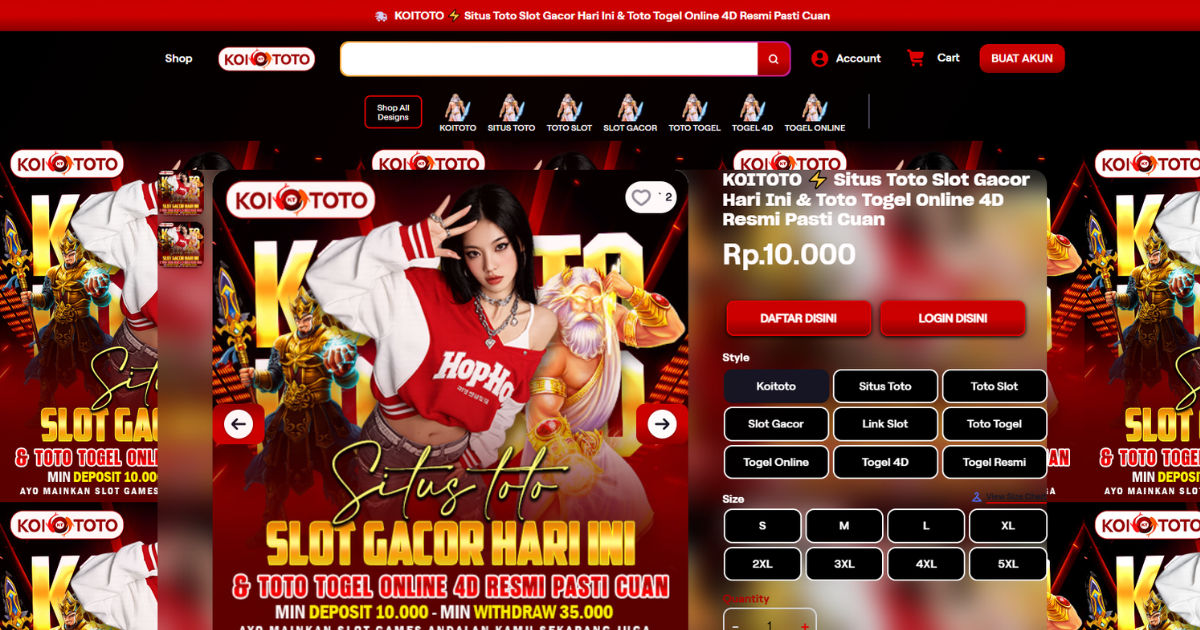
Understanding the warning signs in this type of content is important. Many users—especially beginners—can easily be influenced by exaggerated claims, fake strategies, or unsafe platforms.
This koitoto guide explains the most common red flags so readers can make safer, more informed decisions online.
Misleading Claims About Guaranteed Wins
One of the biggest red flags is any claim that suggests guaranteed success.
Common examples include:
- “100% guaranteed win strategy”
- “Sure win today only”
- “Slot machine pattern prediction that never fails”
In reality, slot games are based on random number generators (RNGs). This means every spin is independent and unpredictable. No strategy or pattern can guarantee consistent winnings.
When content promises certainty, it is usually trying to attract attention rather than share truthful information.
Overuse of “Easy Money” Messaging
Another major warning sign is content that heavily focuses on quick wealth.
Typical phrases:
- “Earn thousands daily with no effort”
- “Instant profit system”
- “Passive income from slots”
This type of messaging is designed to trigger emotional reactions rather than logical thinking. Legitimate financial opportunities rarely promise fast or effortless money, especially in gambling environments.
If something sounds too easy, it usually ignores the real risks involved.
Fake Testimonials and Unverifiable Success Stories
Many questionable platforms or articles use fabricated stories to build trust.
Red flags include:
- Screenshots of large winnings without proof
- “User reviews” with no real identity
- Repeated stories that sound overly similar
These testimonials are often copied, generated, or staged to create false credibility. Real user experiences are usually mixed, not universally positive.
Pressure Tactics and Urgency Tricks
Manipulative content often tries to rush users into action.
Examples:
- “Join now before it’s too late”
- “Limited-time winning system”
- “Only available today”
This urgency is not based on real scarcity. It is designed to stop users from thinking critically. Legitimate platforms and educational content do not rely on pressure tactics.
Unclear or Hidden Game Mechanics
Trustworthy information explains how systems work. Suspicious content does the opposite.
Warning signs include:
- No explanation of RTP (Return to Player)
- No mention of randomness or probability
- Vague “secret algorithm” claims
When explanations are missing or overly mysterious, it often means the content is not reliable.
Promotion of Unverified Apps or Websites
A very serious red flag is when content pushes users toward unknown platforms.
Risks include:
- Fake gambling apps
- Unlicensed websites
- Platforms with no regulatory oversight
These sites may:
- Manipulate results unfairly
- Refuse withdrawals
- Collect personal data insecurely
Always be cautious with any platform that lacks transparency or official licensing information.
Overemphasis on “Patterns” in Random Games
Some content claims that slot games follow predictable patterns.
Examples:
- “After 10 spins, a win must come”
- “Machine cycles guarantee payout timing”
- “Hot and cold machine tracking”
These claims misunderstand how modern slot systems work. Each spin is independent, meaning previous results do not influence future outcomes.
Believing in patterns can lead to false expectations and risky behavior.
Lack of Responsible Gambling Information
Reliable platforms often include warnings or guidance about responsible gambling. Suspicious content avoids this completely.
Missing elements may include:
- No mention of risk or loss
- No spending limits advice
- No reminders about responsible play
If everything is framed as profit and nothing about risk is mentioned, the content is likely biased or misleading.
Poor Grammar, Spam Style, or Over-SEO Content
Low-quality gambling pages often use repetitive or unnatural writing.
Signs include:
- Keyword repetition that feels unnatural
- Broken or unclear sentences
- Overloaded promotional language
This is usually a sign that the content was created to attract search traffic rather than inform readers.
Fake “Expert” Authority
Some content pretends to be written by professionals or insiders.
Red flags:
- No author name or background
- Claims of “insider secrets”
- Vague expertise without evidence
Real experts usually explain their qualifications and avoid making absolute promises.
Unrealistic Bonus or Promotion Offers
Another warning sign is exaggerated promotional content.
Examples:
- “500% bonus with no conditions”
- “Free money without deposit”
- “Unlimited withdrawals instantly”
Most real promotions come with terms and conditions. If there are no rules or limitations mentioned, the offer is likely misleading.
Emotional Manipulation Techniques
Some content tries to influence behavior through emotion rather than logic.
Techniques include:
- Excitement-driven language (“life-changing win”)
- Fear of missing out
- Highlighting rare success stories only
This can distort judgment and encourage impulsive decisions.
No Transparency About House Edge or Risk
Every gambling system has a built-in mathematical advantage for the operator.
Red flags include:
- No explanation of odds
- No mention of long-term losses
- Claims that focus only on winning
If risk is never discussed, the content is incomplete and misleading.
Overdependence on Social Media Hype
Sometimes “slot gacor” content spreads through viral posts or influencers.
Warning signs:
- Reposted content without verification
- Influencers showing only wins
- Lack of independent reviews
Social media hype often exaggerates success and hides losses.
Why These Red Flags Matter
Recognizing these warning signs is important because they help users avoid:
- Financial loss from unrealistic expectations
- Unsafe or unregulated platforms
- Misleading marketing tactics
- Emotional decision-making
Being informed helps people approach online content more critically and responsibly.
How to Stay Safe When Encountering This Content
Here are some practical habits:
- Always verify claims with independent sources
- Avoid platforms that promise guaranteed wins
- Check if the website is licensed or regulated
- Be skeptical of “too good to be true” offers
- Focus on understanding risk, not just reward
Critical thinking is the strongest protection against misleading online gambling content.
Conclusion
Content related to “slot gacor” or online gambling often uses persuasive language, emotional triggers, and unrealistic promises to attract attention. While not all of it is harmful, a large portion includes misleading or incomplete information.
The key red flags include guaranteed win claims, fake testimonials, pressure tactics, lack of transparency, and unrealistic financial promises. By learning to recognize these patterns, users can better protect themselves from misinformation and make more responsible decisions online.
Staying informed, questioning bold claims, and understanding the role of chance in gambling systems are essential steps toward safer digital behavior.