

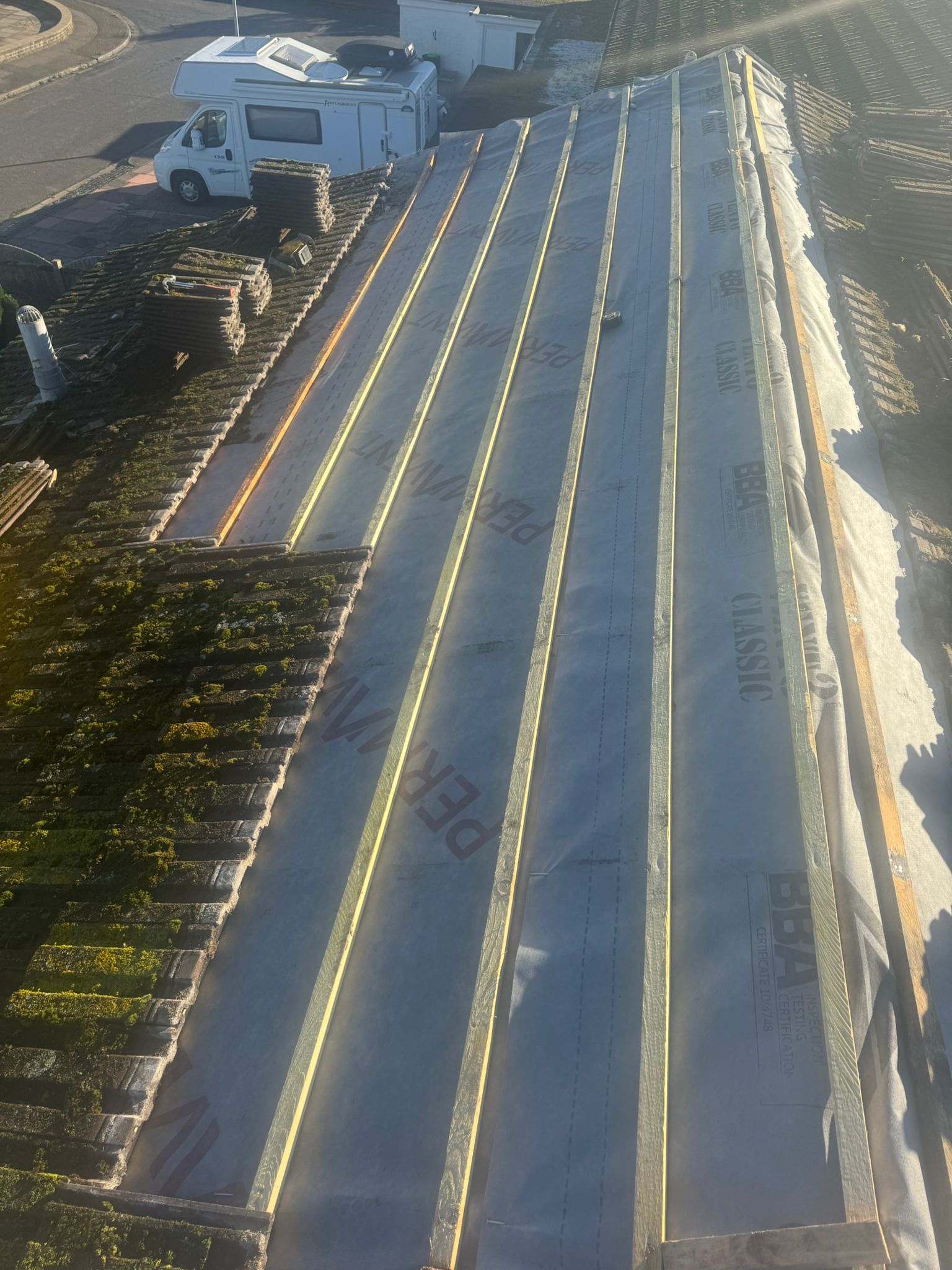
Flat roofs are a nonclassical choice for many homeowners and commercial properties due to their Bodoni esthetic, cost-effectiveness, and functionality. However, flat
roofing companies near me also come with their own set of challenges when it comes to upkee and repair. If you own a edifice with a flat roof, understanding how to resort it and when to seek professional person help is essential for prolonging its lifetime and preventing costly redress.
What Is a Flat Roof?
A flat roof is a roof that is nearly raze, with a cold-shoulder slope to allow for water drain. Unlike orthodox pitched roofs, flat roofs are typically made of a 1 level of material, such as asphalt, rubberise, or PVC. These roofs are commons in Bodoni architecture, especially in commercial buildings, and can also be ground in human activity homes.
Despite their advantages, flat roofs are susceptible to leaks, irrigate pooling, and wear and tear from UV exposure. When problems rise, quickly and efficient repairs are necessary to keep off further damage to the roof and the building below.
Common Issues with Flat Roofs
Flat roofs are not entirely flat but have a negligible slope, which can make drainage noncompliant. Without specific drain, irrigate can collect, causation leaks, mold, or structural damage. Some of the most common issues that flat roofs face admit:
-
Water Pooling: The lack of slope on a flat roof substance that water can pool in low areas, leading to leaks and long-term to the roofing stuff. If irrigate isn t in good order drained, it can seep through the roof and into the building.
-
Cracked or Damaged Membrane: The tender membrane(such as EPDM, TPO, or PVC) can crack or become discredited due to endure conditions, UV exposure, or superior general wear. This damage can lead to leaks, requiring repairs or surrogate of the membrane.
-
Flashing Problems: Flashing is used to seal joints and transitions between the roof and other parts of the edifice, such as chimneys, vents, and skylights. Over time, flashing can demean, allowing irrigate to seep through and cause leaks.
-
Punctures and Tears: Heavy foot traffic, rubble, or even creature activity can cause punctures or crying in the roofing material. Small holes can apace lead to big problems if not repaired in a timely personal manner.
-
Debris Buildup: Leaves, twigs, and other dust can collect on flat roofs, especially in areas with trees close. This dust can stuff drains, leading to irrigate pooling and potential roof .
When to Repair Your Flat Roof
Understanding when to resort your flat roof is material in preventing further damage. If you notice any of the following signs, it s time to consider repairs:
-
Water Leaks: If you spot irrigate stains on your ceiling or note damp spots inside your building, it s likely that your flat roof has a leak.
-
Sagging or Ponding: If you see areas of your roof that have sagged or appear to hold irrigate after rainfall, the roof may need repairs to restore proper drainage.
-
Visible Cracks or Blisters: If you keep an eye o circumpolar cracks, blisters, or bubbles in the roofing stuff, it s a sign of that could lead to leaks if not self-addressed chop-chop.
-
Age of the Roof: The typical life-time of a flat roof ranges from 10 to 30 years, depending on the stuff used. If your roof is approach the end of its life, regular inspections and prompt repairs are necessity.
How to Repair a Flat Roof
Repairing a flat roof can vary depending on the roofing material and the type of . Here s a general overview of the repair work:
-
Inspection: The first step is a thorough review of the roof. This involves characteristic any areas of damage, such as cracks, punctures, or pooling irrigate. Make sure to also inspect the flash, seams, and drain system of rules.
-
Cleaning the Roof: Before commencement repairs, the roof needs to be cleaned. This involves removing junk, leaves, and any collected dirt. If there is any water pooling, it should be removed, as standing irrigate can interfere with the resort work.
-
Patching Leaks: For modest cracks or punctures, roofing or patching stuff can be practical to seal the damage. For big areas, you may need to supersede sections of the roofing membrane. When working with materials like EPDM or TPO, use appropriate adhesives and sealants recommended for that specific stuff.
-
Fixing Flashing: If the flashing is discredited, it should be replaced or resealed. Flashing problems can often be rigid by applying a new level of flashing stuff and waterproofing the edges to insure a incontestable seal.
-
Re-coating or Replacing the Membrane: If the roof is severely disreputable, it may need to be re-coated or the membrane replaced entirely. Some flat roofs can be restored with a ne layer of protective finish, which helps keep future damage. However, if the is too general, you may need to replace the roofing material birthday suit.
-
Restoring Drainage: Ensure that the roof s drain system is and operation decently. This includes cleansing gutters, downspouts, and any drains on the roof. If necessary, adjust the incline to boost specific irrigate flow.
Professional vs. DIY Flat Roof Repair
While some flat ROOF REPAIRs can be done by homeowners, others need professional expertness. Small punctures or cracks can often be repaired by DIYers with the right tools and materials. However, for bigger problems such as replacement roofing materials, with extensive water , or addressing drain issues, it s best to refer a professional roofing .
Professional roofers can tax the situation accurately, use specialised tools, and cater warranties for their work. Additionally, repairing a flat roof improperly can lead to large issues down the road, so it's evidential to know when to call in the experts.
Preventing Future Flat Roof Issues
To keep off expensive repairs in the hereafter, habitue upkee is requisite for flat roofs. Here are a few tips to keep your roof in good condition:
-
Routine Inspections: Inspect your roof at least twice a year, and after Major storms, to catch any early on.
-
Clean Drains and Gutters: Ensure that all drain systems are clear and functioning right to prevent water from pooling on the roof.
-
Trim Overhanging Trees: Trim any branches or trees that hang over the roof to keep junk buildup and reduce the risk of punctures.
-
Check Flashing: Regularly inspect the flashing around vents, chimneys, and skylights to make sure they are properly covered.
Conclusion
Flat roofs can be a outstanding option for your edifice, but they require fixture care and apropos repairs to ensure they stay usefulness. Understanding green issues, knowing when to resort your roof, and practicing specific maintenance can help widen the life-time of your flat roof. Whether you pick out to resort it yourself or hire a professional, addressing problems rapidly will save you time, money, and strain in the long run.