

Your home’s siding does much more than improve curb appeal. It acts as a protective barrier against moisture, wind, pests, and harsh weather conditions.
Over time, however, even the strongest siding materials begin to deteriorate. Knowing when your home requires Siding repairs & replacement can save you from expensive structural damage and help maintain your property value.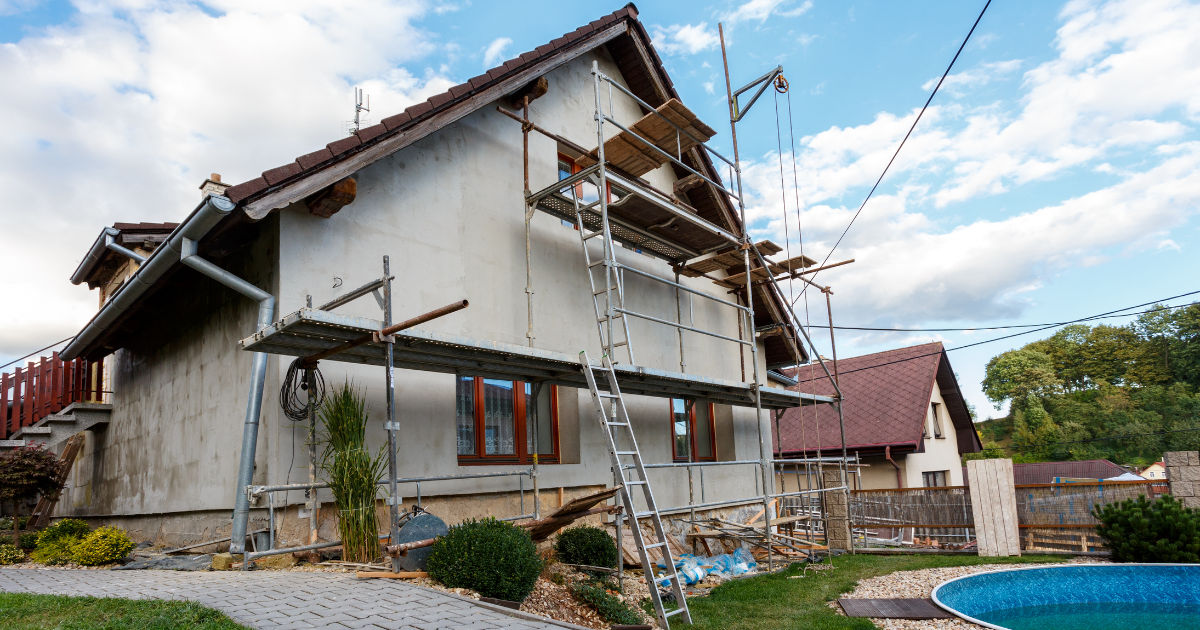
Many homeowners ignore early warning signs because the damage seems minor at first. Small cracks, fading colors, or warped panels may not appear serious, but these issues often indicate deeper problems beneath the surface. Delaying action can lead to water infiltration, mold growth, higher energy bills, and costly repairs.
This comprehensive guide explains the most common signs that indicate siding replacement is necessary, how to inspect your siding, the risks of waiting too long, and what homeowners should consider before investing in new siding. Whether your home has vinyl, wood, fiber cement, or metal siding, understanding these warning signs will help you make informed decisions about Siding repairs & replacement before problems become severe.
Why Siding Matters for Your Home
Siding is one of the most important parts of your home’s exterior. It protects the structure from moisture, heat, cold temperatures, insects, and UV damage. At the same time, it adds beauty and insulation to your property.
When siding begins to fail, your home becomes vulnerable to multiple issues. Water can seep into walls, insulation may weaken, and pests may enter through cracks or gaps. In many cases, homeowners first notice higher energy costs or interior moisture problems before realizing the siding is the actual cause.
Routine inspections and timely Siding repairs & replacement can prevent these expensive complications and extend the life of your home.
Common Signs Your Siding Needs Replacement
Cracks, Holes, or Gaps
One of the most obvious signs your siding is failing is visible physical damage. Cracks, holes, or gaps allow moisture and insects to penetrate your home’s exterior.
Small cracks may initially seem harmless, but they often grow over time due to temperature changes and weather exposure. Once water enters these openings, it can damage insulation, wooden framing, and drywall inside the house.
If isolated damage exists in only one small area, repairs may work temporarily. However, widespread cracking often means complete Siding repairs & replacement are necessary.
Warped or Buckling Panels
Siding should lie flat against the exterior walls. If panels appear warped, bubbled, or buckled, moisture may already be trapped underneath.
Warping usually occurs because of:
- Long-term water exposure
- Improper installation
- Heat damage
- Aging materials
Buckled siding can no longer properly protect your home. It also creates openings where water and pests can enter. In many situations, severe warping indicates the siding system has reached the end of its lifespan and requires full Siding repairs & replacement.
Rotting or Soft Areas
Wood siding is especially vulnerable to rot. If you notice soft spots, crumbling sections, or decayed wood, moisture has likely penetrated the material.
Rot can spread quickly if ignored. It may eventually affect structural framing beneath the siding. You can test suspicious areas by gently pressing with a screwdriver. If the surface feels soft or breaks apart easily, replacement is often the safest solution.
Professional inspections are highly recommended when rot is discovered because the damage may extend beyond visible areas.
Frequent Painting Requirements
Quality siding should maintain its appearance for many years. If your home requires repainting every few years instead of every decade, your siding may no longer be functioning properly.
Peeling paint, fading color, and constant maintenance are signs the material is deteriorating. While repainting can temporarily improve appearance, it does not fix underlying structural issues.
Older wood siding often becomes difficult and expensive to maintain. In these cases, modern Siding repairs & replacement options may provide better long-term value.
Moisture-Related Warning Signs
Mold, Mildew, or Fungus Growth
Moisture problems often appear as mold or mildew on siding surfaces. While some surface growth can be cleaned, extensive mold may indicate water infiltration beneath the siding.
Pay close attention to:
- Green or black stains
- Persistent mildew smell
- Fungus near seams or joints
- Moisture buildup around windows
Unchecked moisture can eventually damage walls and create indoor air quality concerns. Replacing compromised siding can stop further deterioration and improve home safety.
Water Stains Inside the Home
Interior water stains sometimes originate from failing siding rather than roof leaks. If you notice discoloration on walls, peeling wallpaper, or bubbling paint inside your home, damaged siding could be responsible.
Water entering through deteriorated siding may remain hidden for months before signs appear indoors. This is why prompt Siding repairs & replacement are essential after discovering moisture issues.
Increased Humidity Indoors
Failing siding can affect ventilation and moisture control inside your home. Excess indoor humidity may indicate water infiltration through exterior walls.
Signs include:
- Condensation on windows
- Musty odors
- Damp walls
- Mold growth indoors
If these issues continue despite proper ventilation, your siding system may no longer provide adequate protection.
Rising Energy Bills
Poor Insulation Performance
Damaged siding often leads to reduced energy efficiency. Cracks and gaps allow heated or cooled air to escape, forcing HVAC systems to work harder.
If your utility bills suddenly increase without another clear explanation, deteriorating siding could be part of the problem.
Modern siding materials frequently include improved insulation technology that helps maintain indoor temperatures. Upgrading through professional Siding repairs & replacement may significantly lower heating and cooling expenses.
Drafts Near Walls
Another common sign of siding failure is feeling drafts near exterior walls. Poorly sealed siding allows outside air to enter your home.
This issue becomes especially noticeable during winter or summer when temperature differences are extreme. Proper replacement can restore insulation performance and improve comfort.
Pest Infestations
Insects Entering Through Damaged Siding
Cracks and gaps in siding create easy entry points for insects and rodents. Termites, ants, wasps, and other pests often nest behind damaged siding where moisture is present.
Wood siding is especially susceptible to insect damage. If you notice recurring pest problems near exterior walls, it may be time for complete Siding repairs & replacement.
Evidence of Woodpecker Damage
Woodpeckers sometimes peck siding because insects are hidden underneath. Repeated pecking often signals underlying pest infestations or rotting wood.
Ignoring these signs may allow both insect and moisture damage to worsen.
Severe Fading and Appearance Issues
Extensive Color Fading
Sun exposure naturally causes some fading over time. However, severe or uneven discoloration usually indicates aging siding materials.
Fading often means the weatherproofing layer has weakened. Once this protective layer deteriorates, siding becomes more vulnerable to cracking and moisture infiltration.
If your home’s appearance has significantly declined despite regular cleaning, replacement may be the most cost-effective solution.
Outdated Appearance
Even if siding still functions, outdated materials can negatively affect home value and curb appeal. Many homeowners choose Siding repairs & replacement during remodeling projects to modernize the property.
New siding can dramatically improve appearance while also enhancing energy efficiency and durability.
Storm and Weather Damage
Hail Damage
Hailstorms can crack vinyl siding, dent metal panels, and weaken protective coatings. Some damage may be difficult to detect from ground level.
After severe weather, inspect for:
- Chips
- Cracks
- Dents
- Loose panels
Prompt repairs prevent water infiltration and further deterioration.
Wind Damage
Strong winds may loosen or completely remove siding panels. Once sections become detached, nearby panels are also more likely to fail.
Wind-damaged siding should be repaired quickly to avoid moisture exposure beneath the exterior layer.
Damage from Extreme Temperatures
Repeated expansion and contraction caused by extreme heat and cold gradually weaken siding materials. Over time, this process leads to cracking, splitting, and warping.
Homes located in areas with severe seasonal temperature changes often require more frequent Siding repairs & replacement.
How Long Does Siding Typically Last?
Different siding materials have different lifespans.
Vinyl Siding
Vinyl siding usually lasts between 20 and 40 years depending on maintenance and climate conditions.
Wood Siding
Wood siding may last 20 to 30 years but requires consistent maintenance to prevent rot and insect damage.
Fiber Cement Siding
Fiber cement siding can last 40 to 50 years when properly installed and maintained.
Aluminum or Metal Siding
Metal siding often lasts several decades but may dent or corrode over time.
Understanding your siding’s age can help determine whether repairs or full replacement make more sense.
When Repairs Are Enough
Not every siding issue requires total replacement. Minor damage in isolated areas can often be repaired effectively.
Repairs may work if:
- Damage is limited to one section
- Moisture has not spread beneath panels
- The siding is relatively new
- Matching materials are available
However, repeated repairs can become costly over time. If multiple issues continue appearing, investing in full Siding repairs & replacement may save money in the long run.
Benefits of Replacing Old Siding
Improved Energy Efficiency
Modern siding systems offer better insulation and weather resistance. This helps reduce heating and cooling costs throughout the year.
Better Protection Against Moisture
New siding provides stronger defense against water intrusion, mold growth, and structural deterioration.
Increased Home Value
Updated siding improves curb appeal and can increase resale value. Buyers often view new siding as a major advantage because it reduces future maintenance concerns.
Lower Maintenance Requirements
Many modern materials require less upkeep than older wood siding. Vinyl and fiber cement options are especially popular for their durability and minimal maintenance needs.
Enhanced Structural Protection
Properly installed siding helps preserve the structural integrity of your home by protecting walls and insulation from environmental damage.
Choosing the Right Replacement Siding
Vinyl Siding
Vinyl remains one of the most popular choices because it is affordable, durable, and available in many styles and colors.
Fiber Cement Siding
Fiber cement offers excellent durability and resistance to fire, insects, and moisture.
Engineered Wood Siding
Engineered wood provides the appearance of real wood with improved durability and lower maintenance requirements.
Metal Siding
Metal siding is highly durable and resistant to pests and weather damage.
Choosing the right material depends on budget, climate, maintenance preferences, and desired appearance.
Professional Inspection vs DIY Inspection
DIY Inspection Tips
Homeowners can perform basic visual inspections by checking for:
- Cracks
- Warping
- Mold
- Loose panels
- Water stains
Using binoculars may help inspect upper areas safely.
Why Professional Inspections Matter
Professional contractors can identify hidden moisture damage, insulation problems, and structural concerns that homeowners may miss.
Experts also determine whether repairs are sufficient or if complete Siding repairs & replacement are necessary.
The Risks of Delaying Replacement
Structural Damage
Water infiltration can eventually damage wooden framing, drywall, and insulation inside the home.
Higher Repair Costs
Minor issues become more expensive over time if left untreated. Replacing a few damaged panels is far less costly than repairing major structural rot.
Health Concerns
Moisture and mold growth can negatively affect indoor air quality and create health risks for occupants.
Reduced Property Value
Damaged siding lowers curb appeal and may discourage potential buyers if you plan to sell your home.
How Much Does Siding Replacement Cost?
The cost of Siding repairs & replacement varies depending on:
- Material type
- Home size
- Labor costs
- Existing damage
- Geographic location
Vinyl siding is generally the most affordable option, while fiber cement and premium materials cost more.
Although replacement can be a significant investment, it often prevents far more expensive structural repairs in the future.
Questions to Ask Before Hiring a Contractor
Before hiring a contractor, ask:
- Are you licensed and insured?
- How much experience do you have with siding installation?
- Can you provide references?
- What warranty is included?
- How long will the project take?
Choosing an experienced contractor helps ensure proper installation and long-lasting performance.
Preventive Maintenance Tips
Even new siding requires maintenance to maximize lifespan.
Clean Siding Regularly
Wash siding annually to remove dirt, mold, and mildew buildup.
Inspect After Storms
Check for cracks, dents, or loose panels following severe weather.
Maintain Gutters
Clogged gutters can overflow and direct water onto siding surfaces.
Trim Trees and Shrubs
Vegetation touching siding may trap moisture and increase damage risk.
Routine care reduces the likelihood of major Siding repairs & replacement expenses later.
Signs It Is Time to Replace Instead of Repair
You should strongly consider replacement if:
- Damage affects multiple sections
- Mold or rot is widespread
- Energy bills continue increasing
- Siding is nearing the end of its lifespan
- Repairs are becoming frequent
In many cases, complete replacement provides better long-term value than repeatedly patching old materials.
Conclusion
Your home’s siding plays a critical role in protecting the structure, improving energy efficiency, and maintaining curb appeal. Over time, weather exposure, moisture, aging materials, and physical damage can weaken siding and compromise your home’s safety.
Visible cracks, warping, rot, mold growth, rising energy bills, pest infestations, and fading are all signs that action may be necessary. While some problems can be resolved through minor repairs, widespread deterioration usually indicates the need for full Siding repairs & replacement.
Ignoring damaged siding can lead to expensive structural repairs, mold issues, poor insulation performance, and declining property value. Early inspections and prompt maintenance help prevent these costly consequences.
Modern siding materials provide improved durability, better insulation, lower maintenance needs, and enhanced appearance. Investing in professional Siding repairs & replacement not only protects your home but also increases comfort, efficiency, and long-term property value.
If you notice any warning signs discussed in this guide, scheduling a professional inspection is the best next step. Addressing siding problems early can save money, prevent major damage, and ensure your home remains protected for years to come.