

When you are told that you need an MRI, one of the first questions that usually comes to mind is how long the appointment will take. Unlike a simple X-ray, an MRI involves more preparation and produces a large number of detailed images. 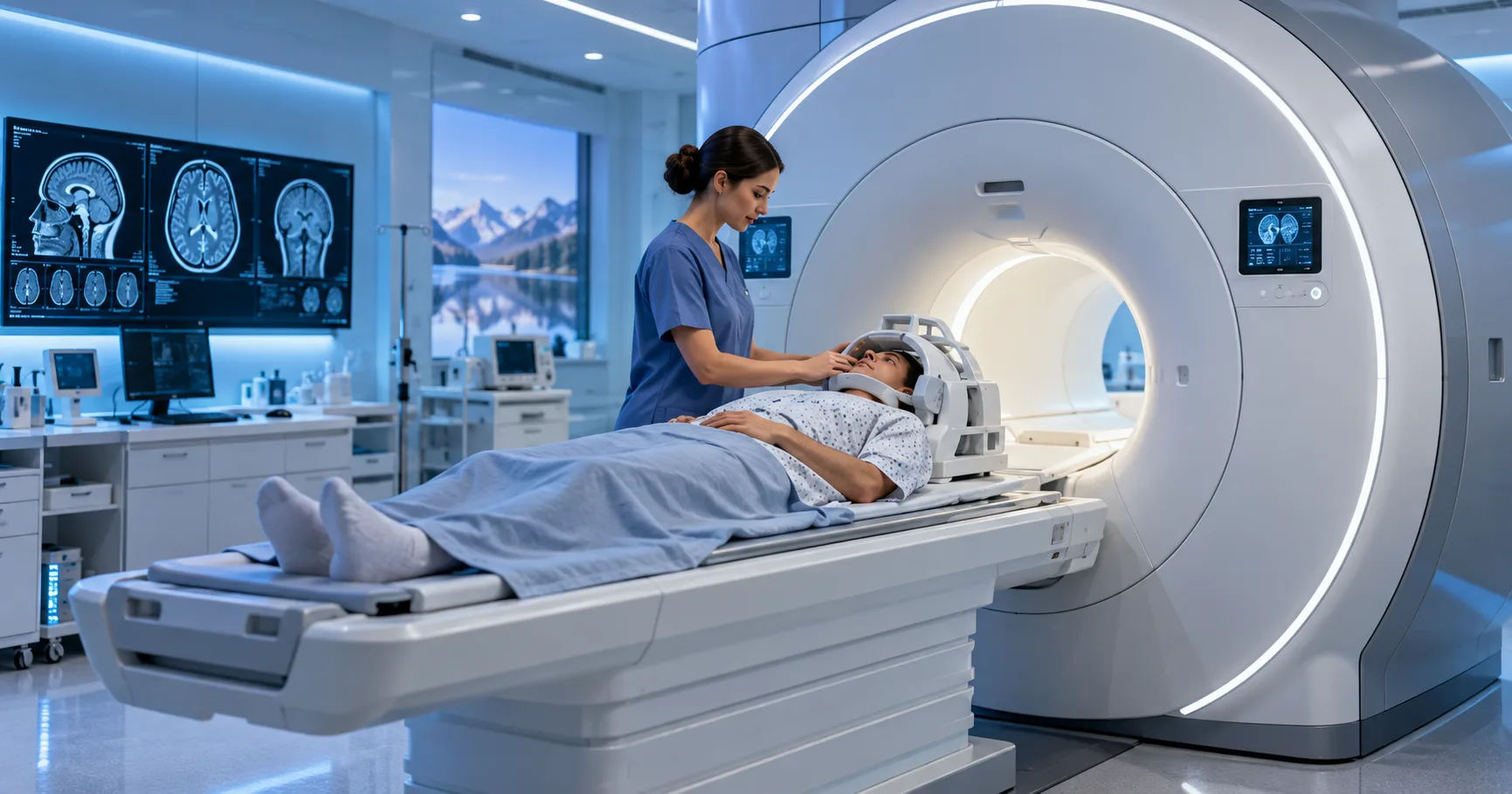 The actual scan may be fairly quick in some cases, while other examinations can take much longer.
If you are searching for mri karachi, it is useful to understand that there is no single fixed time for every MRI examination. The duration depends on the part of the body being examined, the type of MRI required, whether contrast is needed, and the procedures followed by the imaging center.
How Long Does an MRI Usually Take?
A typical MRI examination may take around 20 to 60 minutes. Some straightforward scans can be completed in less time, while more detailed examinations may take an hour or longer.
The time spent inside the MRI scanner is only part of the appointment. You may also need time before the scan for registration, safety screening, changing clothes, removing metal objects, positioning, and other preparation.
For this reason, it is sensible to allow extra time rather than planning another appointment immediately after your MRI.
Why Does MRI Take Longer Than an X-Ray?
An MRI creates detailed images using a strong magnetic field and radio waves. Instead of producing only one or a few images, the scanner collects multiple sequences.
Each sequence is designed to show particular types of tissue or anatomical details. The scanner may make different sounds as it collects these images.
The patient generally needs to remain still during the examination. Movement can reduce image quality and may require certain images to be repeated.
This is one reason an MRI appointment can feel longer than other common imaging tests.
How Long Does Different Types of MRI Take?
The duration depends heavily on which area of the body is being examined.
Brain MRI
A brain MRI commonly takes approximately 20 to 45 minutes, although the exact time depends on the sequences requested by the doctor.
Some examinations may require additional imaging or contrast, which can increase the appointment time.
During the scan, the head is positioned carefully so that the images remain clear. The patient needs to stay as still as possible.
Spine MRI
An MRI of the spine can take roughly 20 to 60 minutes depending on the area being examined.
A cervical spine MRI, for example, focuses on the neck. A lumbar spine MRI examines the lower back. Sometimes more than one section of the spine is requested.
If several regions need to be examined, the appointment can take longer.
Knee or Other Joint MRI
An MRI of a knee, shoulder, ankle, wrist, or another joint may take approximately 20 to 45 minutes.
The exact duration depends on the imaging protocol used by the radiology team.
Although joint examinations may involve a smaller area, the scanner still needs to collect several image sequences.
Abdominal MRI
An abdominal MRI may take around 30 to 60 minutes or longer.
These examinations can require additional preparation and carefully timed sequences. In some cases, the patient may be asked to follow specific instructions before the appointment.
The imaging team will explain any preparation requirements in advance.
Pelvic MRI
A pelvic MRI may take approximately 30 to 60 minutes, depending on the reason for the examination and the protocol selected.
Additional sequences or contrast may make the appointment longer.
Patients should follow the instructions provided by their doctor or imaging center because preparation requirements can vary.
Does Contrast Make an MRI Take Longer?
Yes. If contrast material is required, the appointment may take longer.
Contrast is sometimes used to make particular tissues or abnormalities easier to distinguish on MRI images. It is administered according to the medical team's instructions.
When contrast is planned, additional preparation may be necessary. The imaging staff may ask relevant health and medical-history questions before administering it.
Not every MRI requires contrast. Whether it is needed depends on the clinical question and the examination being performed.
When booking an appointment at an mri karachi facility, you can ask whether your examination is expected to involve contrast so you have a better idea of the appointment duration.
What Happens Before the MRI?
The scan does not usually begin immediately after you enter the imaging center.
First, the staff may confirm your appointment and review the examination requested by your doctor.
You will normally be asked safety questions because MRI uses a powerful magnetic field. It is important to tell the staff about any implants, medical devices, or metal fragments you may have.
You may also be asked to remove certain metal objects, such as jewelry, watches, or other items that are not permitted in the MRI room.
Depending on the examination, you may change into suitable clothing.
These steps are important because MRI safety requires careful screening before entering the scanner area.
How Long Do You Stay Inside the Scanner?
The time inside the scanner is different from the total time spent at the facility.
For a relatively simple examination, you might spend around 20 to 30 minutes in the scanner. More complicated examinations can take 45 minutes, an hour, or sometimes longer.
The scanner may produce loud knocking, tapping, or buzzing sounds during different sequences. These sounds are a normal part of the imaging process.
The staff can usually communicate with you during the examination and monitor you throughout the procedure.
Why Do You Need to Stay Still?
Stillness is particularly important during MRI.
The scanner produces highly detailed images, and even small movements can make some images less clear. If an image is not adequate, the technologist may need to repeat part of the sequence.
This can extend the appointment.
Remaining as comfortable and still as possible can therefore help the examination proceed efficiently.
If you are uncomfortable or need assistance during the scan, communicate with the MRI staff rather than trying to move unnecessarily.
Does Claustrophobia Affect MRI Time?
It can.
Some people feel uncomfortable inside the MRI scanner because the equipment can feel enclosed. Anxiety or difficulty remaining still may make the examination more challenging.
The imaging team can explain the procedure before the scan and tell you what to expect.
If you already know that you feel anxious in enclosed spaces, mention this when arranging the examination. The appropriate approach depends on your circumstances and the policies of the imaging facility.
An open or wider-bore MRI may be available at some facilities, although availability varies.
What Can Make an MRI Appointment Longer?
Several factors can affect the total time.
The first is the body area being examined. A simple joint examination may take less time than a complex examination involving multiple regions.
The second is the number of sequences required. Your doctor may request a particular protocol based on the medical reason for the examination.
Contrast can also add time.
Patient movement is another factor. If images need to be repeated, the scan can take longer than originally expected.
Technical issues or a busy imaging schedule can also affect how long you remain at the facility.
For this reason, an imaging center may provide an estimated duration rather than guaranteeing an exact finishing time.
How Long Does It Take to Get MRI Results?
The time required to receive results is different from the time required to perform the scan.
After the images are collected, they are generally reviewed by a radiologist or another appropriately qualified imaging professional. The report is then prepared according to the facility's workflow.
Some centers may provide reports relatively quickly, while others may take longer depending on their workload, examination type, and reporting process.
The healthcare professional who requested the MRI can explain what the results mean in relation to your symptoms or medical situation.
It is important not to assume that receiving images automatically means you have a medical diagnosis. The report and clinical context are both important.
Can You Eat or Drink Before an MRI?
It depends on the type of MRI and the instructions provided by the imaging center.
Some MRI examinations require no special dietary preparation. Others may involve specific instructions, particularly when contrast or certain abdominal examinations are involved.
Do not assume that fasting is necessary for every MRI.
The safest approach is to follow the instructions provided by the facility or your healthcare professional. If you are uncertain, contact the imaging center before your appointment.
What Should You Tell the MRI Staff?
Safety information is extremely important.
Tell the MRI staff about any implanted medical devices, metal fragments, previous procedures involving implants, or other relevant medical information.
Also mention if you have had problems with contrast material in the past or have been given specific instructions by your doctor.
Pregnancy or possible pregnancy should also be communicated to the appropriate healthcare professional so that the examination can be considered in the proper clinical context.
The MRI team uses this information to determine the appropriate safety procedures.
How Can You Make the Appointment Smoother?
Arriving on time can help reduce unnecessary delays.
Bring your relevant medical documents and the request or referral provided by your healthcare professional if required by the facility.
Wear comfortable clothing and follow the center's instructions regarding metal objects.
Before entering the MRI room, ask questions if you do not understand what will happen. Knowing the basic steps can make the experience less stressful.
When comparing an mri karachi center, it can also be useful to ask about appointment duration, reporting time, preparation requirements, contrast availability, and how results are provided.
Is Every MRI the Same?
No. MRI examinations can vary considerably.
Two people may both have an MRI but spend different amounts of time in the scanner because their doctors requested different examinations.
A routine scan may be relatively short. A more detailed examination may require additional sequences.
The equipment itself can also differ between facilities. Scanner strength, software, examination protocols, and staff workflow can influence the process.
Therefore, online estimates should be treated as general guidance rather than an exact appointment schedule.
What If the MRI Takes Longer Than Expected?
A longer examination does not automatically mean that something is wrong.
Sometimes the radiology team simply needs additional images to answer the clinical question properly.
The technologist may also repeat an image because of movement or because a particular sequence needs to be adjusted.
If the examination takes longer than the initial estimate, try not to interpret that as a sign of a particular medical condition.
The radiology team determines what images are needed based on the examination protocol and the quality of the images obtained.
Choosing an MRI Center in Karachi
When looking for an mri karachi service, appointment time should not be the only consideration.
Look for a facility that provides clear instructions, appropriate MRI safety screening, qualified staff, and a reliable reporting process.
You can ask how long the scan itself usually takes and how long reports generally require. It is also reasonable to ask whether the facility performs the specific MRI examination requested by your doctor.
If contrast is required, ask whether it is available and whether there are any preparation instructions.
A convenient appointment time is helpful, but the quality and appropriateness of the imaging service are also important.
Frequently Asked Questions
How long does a normal MRI take?
A typical MRI may take approximately 20 to 60 minutes, although the exact duration varies. The body part being examined, number of sequences, contrast use, and patient movement can all affect the time.
The total visit can be longer because registration, safety screening, preparation, positioning, and changing may happen before the scan.
Is MRI painful?
MRI itself is generally not painful. The main challenge for some people is remaining still in the scanner for an extended period.
The scanner can also be noisy, but hearing protection is commonly provided. If you experience discomfort during the examination, tell the MRI staff.
Can I leave immediately after an MRI?
In many routine MRI examinations, patients can leave after the scan once the imaging staff has completed the necessary process.
If contrast or another special procedure is involved, the facility may have additional instructions. Follow the guidance provided by the medical team.
Why did my MRI take longer than expected?
An MRI can take longer if additional images are required, if the patient moves during scanning, or if the examination involves several imaging sequences.
A longer scan does not by itself indicate that an abnormality was found.
How quickly will my MRI report be available?
Reporting times vary between facilities. Some centers may provide reports relatively quickly, while others may require more time.
When booking an mri karachi appointment, ask the center about its usual reporting timeline if you need the report for a scheduled medical consultation.
Conclusion
An MRI is a detailed imaging examination, so the appointment usually requires more time than a basic X-ray. In many cases, the actual scan takes approximately 20 to 60 minutes, but some examinations can take longer depending on the body area, imaging protocol, contrast use, and other circumstances.
It is also important to remember that the scanning period is only one part of the visit. Safety screening, preparation, positioning, and other administrative steps can add to the total time spent at the facility.
When arranging an mri karachi appointment, asking the imaging center for an estimated duration can help you plan your day. You can also ask whether contrast will be used, whether you need any preparation, and when the report is normally available.
Most importantly, do not judge the significance of an MRI by how long the scan takes. A short examination does not necessarily mean a minor problem, and a longer examination does not automatically mean a serious finding. The images need to be interpreted by an appropriate healthcare professional in the context of the reason the MRI was requested.
For the most accurate timing, follow the instructions from your chosen imaging center and your healthcare professional. This will give you a much better estimate of what to expect before arriving for your examination.